Enjoy dependable airflow with manual lift control and a 12V fan that's easy to run off your RV system. This setup keeps operation simple while moving air effectively; expect some fan noise and keep performance up by cleaning the screen. For installs on curved roofs, use the right adapter and seal thoroughly, and if you want ventilation during rain, look for options designed to stay open.
No. These fans need a fairly stable 12 VDC power supply and wiring directly to a panel can damage the electronics. Use a solar controller feeding a battery, then connect the fan to the battery with proper fuses. Adding a low-voltage shutoff helps protect the battery. A side vent can improve airflow in small cargo trailers.
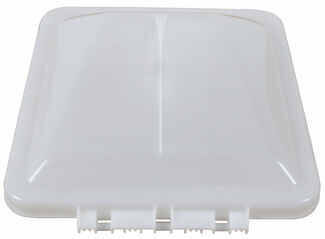
Not always. Some covers are opaque and let in zero light when closed. If you want daylight, choose a transparent or smoke lid instead of an opaque cover. Match the lid style to your lighting preference and where the vent will be used.
Expect some fan noise. In some setups they can be a bit too loud to run while sleeping, while others note a quieter experience than older vents. If sound is a concern, consider location, airflow needs, and any available speed settings when choosing.
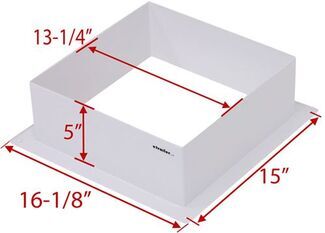
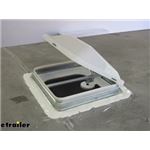
Confirm if you need a spacer or adapter base to transition from the roof's curvature to the fan. After mounting, let adhesives cure, test for leaks, then add a bead of self-leveling sealer over the base, screws, and sides. Also verify rear overhang or lid clearance so it won't hit a nearby skylight or fixture.
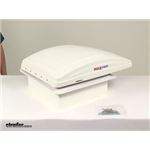
Yes, if it has a protected intake or hood that lets you open the vent without letting rain in. Look for language that says you can leave the exhaust port open in wet weather. If that feature isn't called out, plan to close the lid when it rains to prevent moisture buildup.


 Filters