Step up to 15000 btu cooling when replacing an older rooftop unit. Depending on your setup, some units swap in using existing wiring and a distribution box, while newer R32 systems often need a matched air distribution box and wall thermostat. Pick ducted or ductless to match your vents, and consider a heat pump or a heat strip if you want a little extra warmth.
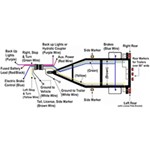
Installation is doable with planning. Safely move the unit using a ladder and a sled or similar support to the roof. Double-check wiring diagrams, connector locations, and the DC fuse—mislabeling can hide a blown fuse. If instructions seem light on thermostat or furnace wiring, take your time matching terminals, or plan for pro help on that step.
Yes, you can move up to 15,000 Btu. If you also want electric heat assistance, add a compatible heat strip; it helps but isn't a substitute for the furnace. With newer R32 systems, plan on matching components—often a new air distribution box and wall thermostat—so everything communicates correctly in a ducted or ductless setup.
Match the unit to how your RV is built. Ducted RVs need a ducted system and compatible controls; ductless RVs use an interior air box. A heat pump option can provide heating help, while a heat strip adds supplemental warmth. Airflow noise is often from the ducting, not the rooftop unit; a soft-start can reduce start-up noise.
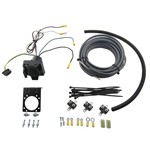
It can, but confirm compatibility first. Newer R32 systems aren't backward compatible with older setups, so a complete system may be needed. If your system uses a multi-pin plug, get the correct conversion harness instead of cutting any plugs. If your old wires were cut and crimped, replacing the distribution box is a clean fix and avoids splicing a new unit.


 RV Air Conditioners Parts or Accessories
 Filters