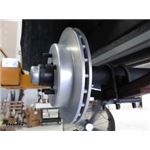
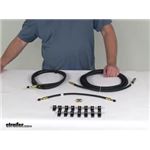
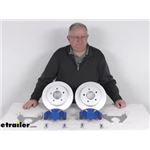
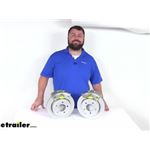
Swap drum setups for responsive trailer brakes with rotor performance. Slip-on rotors can pair with idler hubs, so confirm your axle rating, bearing fit, bolt pattern like 8 on 6-1/2, and that your wheels are 14" or larger when required. Stainless options handle saltwater use and rinse clean, and disc designs cut down on adjustments while keeping pad changes straightforward.
Torque caliper bolts and use a strong threadlocker if needed; factory threadlocker may not hold. Clean up the spindles before reassembly and bleed the system thoroughly. For corrosion resistance, apply protective coatings to brackets or exposed parts, and rinse with fresh water after saltwater use.
Yes, stainless rotors hold up well in saltwater. Rinse/wash them after launching and they can look almost new after a year of use. Look for stainless components, including stainless backing plates for pads, to reduce corrosion. A quick fresh water rinse when you get home helps them last for years.
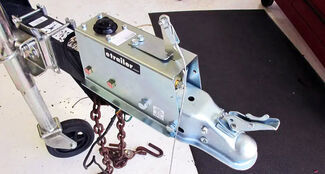
Disc brakes are a noticeable upgrade over drums and don't need constant adjustment. Electric-over-hydraulic disc setups provide stronger, more confident braking than electric drum brakes. If you're converting, verify axle rating, hub/rotor compatibility, and that you have the correct actuator and brake lines.
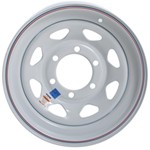
Slip-on rotors need compatible idler hubs. Confirm your hub's bolt pattern, like 5 on 4-1/2 or 8 on 6-1/2, and wheel size, since some setups need 14" or larger wheels. If your existing lugs aren't long enough, upgrade the idler hub. For 3,500 lb, 7k, or 8k axles, verify bearing combos such as 25580/14125A or 02475 before ordering.
Kits commonly include rotors, calipers, caliper brackets, and brake pads. Some packages add the actuator and brake lines, while others don't include hardware like bolts, nuts, and washers. If converting from drums, plan for an electric-over-hydraulic actuator and lines, plus idler hubs when using slip-on rotors.


 Filters