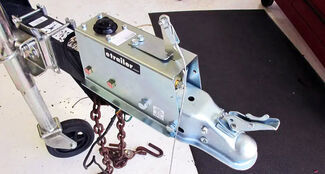
Get the stopping feel you want with surge or electric-over-hydraulic brake actuators, including options for disc brakes. Choose features like an electric reverse lockout and a vented end plate that releases pressure, moisture, and heat to protect internal components. Check fit details—lengths such as 14" or 19", tongue sizes like 3" wide, 3 x 4, or 3 x 5, a 2" hitch ball, and 7,500 lb capacity—to match your setup.
Yes—check length and bolt pattern first; some replacements bolt right up, others may be longer or need hole changes. Bleeding can be simple with a vacuum bleeder and a fair-sized air compressor; pump the emergency release lever to pressurize, and flush old fluid until no bubbles remain. If the coupler is hard to latch or a fitting looks off, inspect for defects before finalizing.
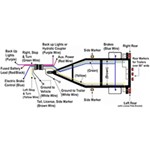
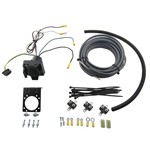
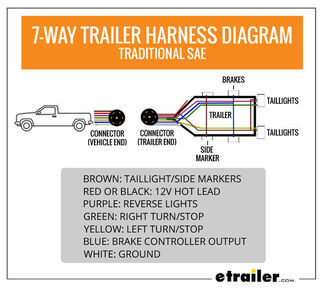
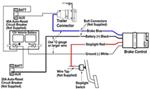
Choose an actuator with an electric lockout if you want to back up without applying the trailer brakes. You'll tie the lockout wire to your reverse light circuit; some come with plenty of wire to reach that connection. A 7-way plug makes this plug-and-play—if you have a 4-pin, consider upgrading so the reverse circuit is available.
Match the actuator to your tongue size and mount style. Some fit 3" wide, 3 x 4, 3 x 5, or 3" square tongues, and length can vary, like 14" vs 19", which affects space at the front. Verify on-center hole spacing; some replacements line up and others may need new holes. Confirm coupler ball size, such as 2", and whether it's top-mounted or bolts through the tongue.
Use a vented marine EOH actuator when you want to run an OEM brake controller; use a non-vented unit with an aftermarket EOH controller. Both are intended for disc brakes. The vented end plate releases pressure, moisture, and heat to help protect internal components.


 Filters
 Brake Actuator Parts or Accessories