Hi Cindy! Better can be a relative term when it comes to things like this. Internal sensors like those found in the Tuson Towable Tire Pressure Monitoring System - 4 Sensors - Brass Interchangeable Valve Stems #335TPMS4WIVS and TST TPMS - Color…
They Thomas, I'd be glad to help you pick out which tire pressure monitor system would be better for you. So generally what we have found is that the TST system part #TST-507-RV-4-C is a bit more rugged and will withstand a little more abuse…
Hey Michael, this is a great question but the difference between the TST TPMS part #TST44VR and the part #TST-507-RV-4-C is just the display. The part #TST-507-RV-4-C is a display with buttons along the side of it it to make changes whereas the part…
Welcome back Dave. The Internal Tire Sensor item #TM46FR is the correct one for the TM-88C TireMinder TPMS. The Internal Tire Sensor item #TM46FR is a 1.2" nickel-plated internal sensor designed for high-pressure applications up to 200 PSI. It…
According to my contact at TST, going with the internal sensor would have the following benefits: • Battery Life. The internal sensors can be expected to last 5+ years, versus about 1 to 1-1/2 years for the external. • Protection: By virtue of the…
Hey Jim, thanks for reaching out. Unfortunately, no, we do not. All of the caliper bracket mounting bolts we offer are zinc coated like part #BRKH12S. What they are is 1-1/4" long 3/8" - 24 grade 5 bolts so if you can find a stainless…
Welcome back, Terry! We have exactly what you are looking for with the following part: Replacement Signal Booster for TireMinder A1AS, i10, and Smart TPMS #VAL29RB We did have to change the TM22107 to our own as it was too similar to another part we…
Hey Bryan, that's a good question. The pricing can definitely be misleading, but I wouldn't use it to judge the quality of the tire. A lot of that comes down to promotions, inventory, and whether you're looking at a tire by itself or…
Happy to help Nick, thanks for reaching out! The Kenda Karrier ST205/75R15 KR53 Radial Trailer Tire #KE85TJ has a speed rating of 87 mph, speed symbol N is stamped on the side wall of the tire. This is a Load Range D tire with a maximum load capacity…
Hello CC, thanks for reaching out. Short answer, no, I wouldn’t mount it inside the battery box. The Tire Linc Pro Repeater #LC67VC is supposed to be mounted in a spot that’s as open and unobstructed as possible, ideally in a front compartment with…
Hey John, the Curt QuickPin No Latch A-Frame Coupler part #C84DR that you referenced will work for you but odds are the mounting holes won't line up as basically every brand of coupler does their own thing for mounting holes. So typically all…
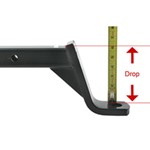
Hey Jeff, thanks for reaching out, and thanks for attaching that photo - that makes this easy! I went and grabbed one of the 068-6 Road Master Dual Receiver Hitches #RM48BQ from our warehouse and got all the measurements you were wanting. I edited…
TPMS Sensors with Smartphone Display for easy checks
See live tire pressures and temps on your phone with smartphone display TPMS sensors. Setup is quick—attach the sensors to your valve stems and pair the app; longer valve stems are fine. A signal booster is required for proper operation, and if your trailer doesn't have a battery you can mount the booster on the truck bed or frame for solid signal.
Yes, some smartphone-display TPMS can show pressures and temps on an Android Auto screen. Check that the mobile app supports Android Auto so you don't have to look at your phone. Set up the app, pair the sensors, and calibrate it to your tires' pressures. Watch for notices or beeps if pressures climb so you can pull over and adjust.
Yes, a booster is required and must be powered. If the trailer has no battery, mount the booster on the truck—ideally in the bed or underneath on the frame—for the best signal to the sensors. Verify it has power after mounting to ensure proper operation.
Setup is straightforward. Mount the signal booster and verify it has power, install the sensor batteries, then thread sensors onto metal valve stems. The system tracks pressure continuously and can alert for high pressure. Plan to replace some batteries every season; keeping fresh batteries on hand helps. Ensure sensors have clearance to reduce impact damage.
Yes, sensors can be used on long metal valve stems, and there isn't a valve stem length requirement. If using valve stem extenders and you see a pressure loss, check for a leak at the extender and swap sensors to isolate the issue. Confirm pressure holds with the TPMS sensor removed to rule out the stem or extender.