
Yakima BaseLine Roof Rack for Naked Roofs - JetStream Crossbars - Aluminum - Black - Qty 2


To see if this custom-fit item will work for you please tell us what vehicle you'll use it with.


Thank you! Your comment has been submitted successfully. You should be able to view your question/comment here within a few days.
Error submitting comment. Please try again momentarily.


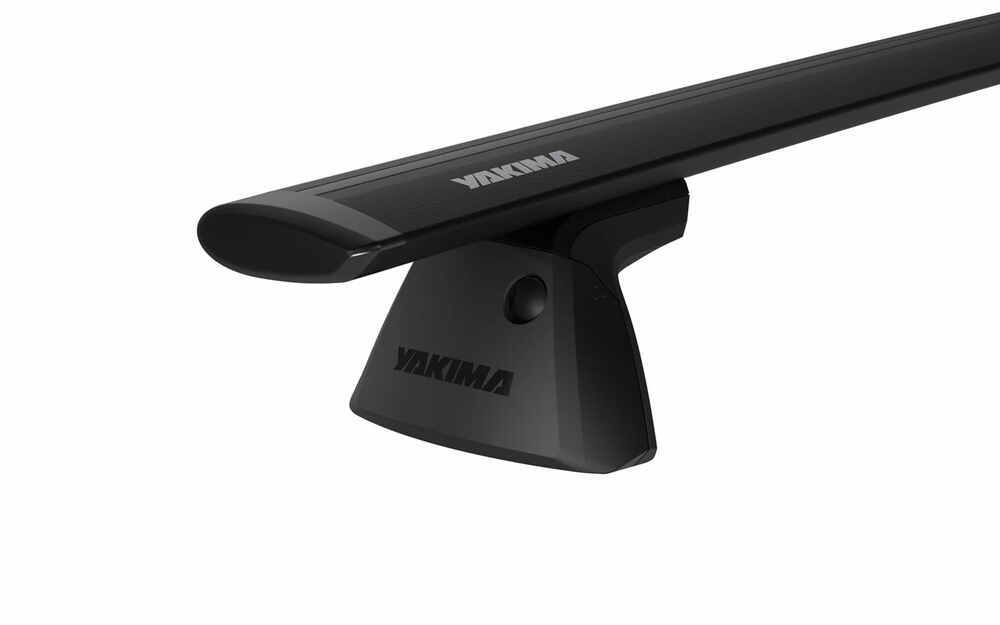


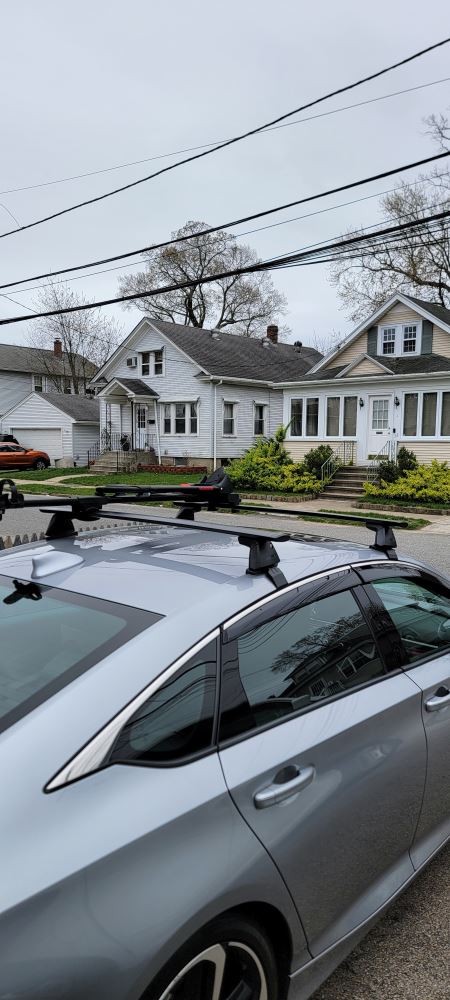
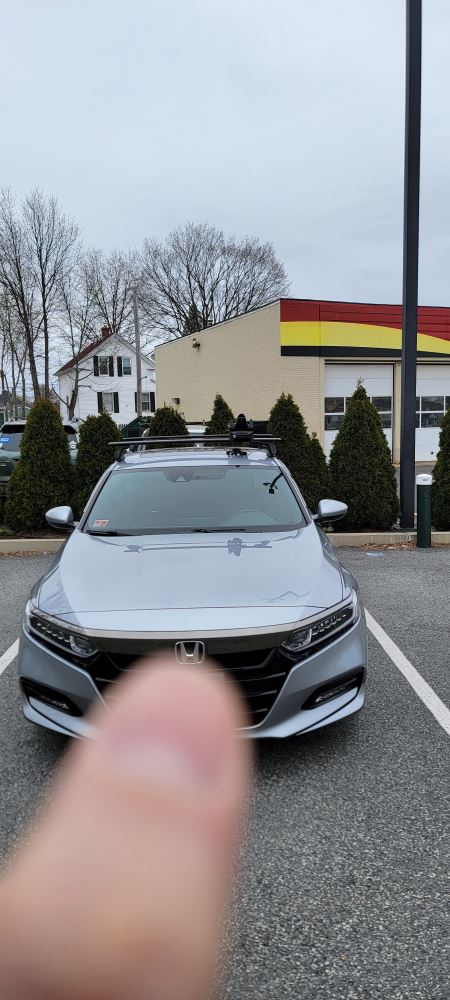

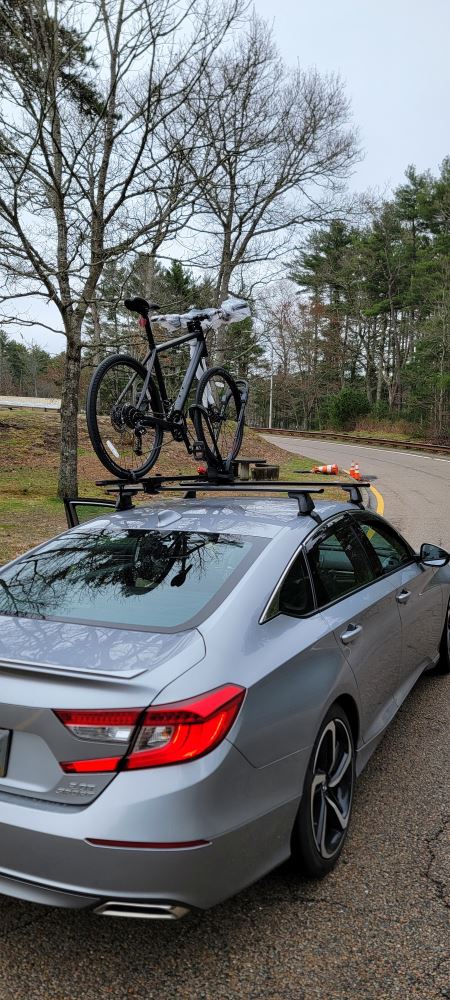
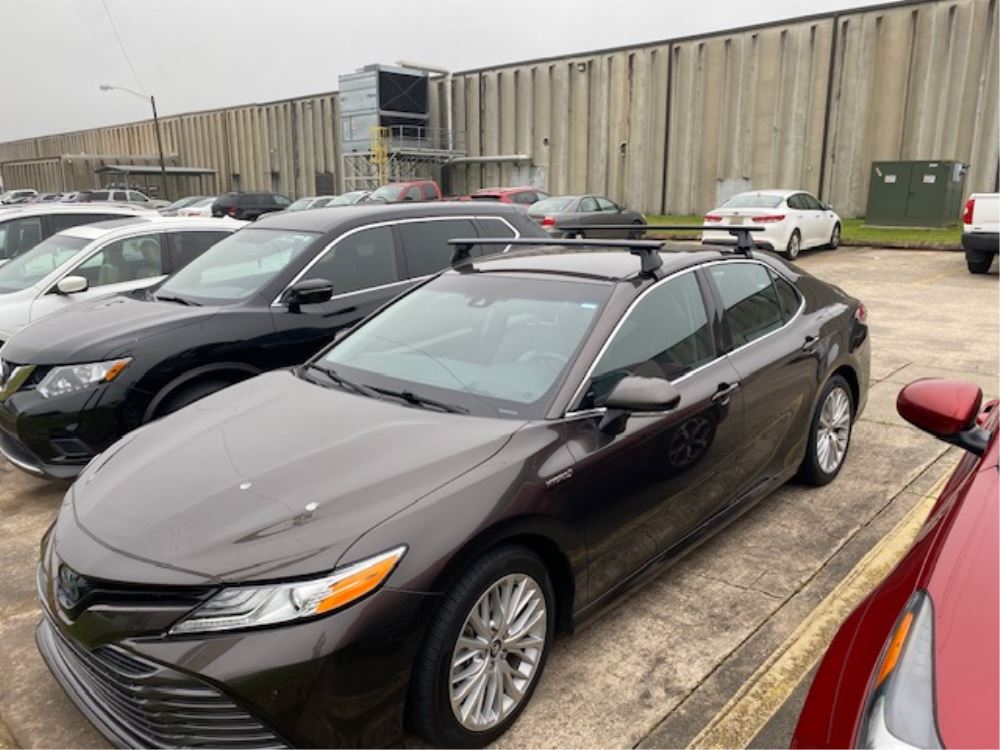
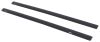
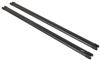
When you’re loading up for a trip, you want bars that feel solid and stay put. The Yakima BaseLine Roof Rack includes two aluminum JetStream crossbars that handle up to 165 lbs while keeping weight low on your roof. The sturdy construction keeps everything steady, whether you’re carrying kayaks, camping gear, or a cargo box.
Wind noise can be a dealbreaker when you’re traveling long distances. The aero-style shape of these crossbars helps cut through the air, and the rubber strips in the top channels seal around your mounts to reduce whistling and vibration. The result is a smoother drive without the constant hum of wind overhead.
Some racks make you trim rubber strips just to mount your accessories. Not this one. The JetStream bars use push-down rubber strips that let you press your hardware straight into the top channels—no cutting or fiddling required. Once it’s in place, the strips close back around it for a clean look and less noise.
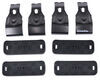
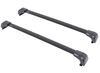
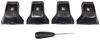
Designed for vehicles without factory rails, this system includes two JetStream crossbars, four BaseLine towers, and a custom fit kit for a proper mount on naked roofs. Each piece works together for a secure grip that feels made for your setup, so you can load up and go with confidence.
You can add Yakima’s Same Key System (SKS) lock cores (sold separately) to deter theft of your roof rack. It’s an easy upgrade that helps keep your gear safe when you park at trailheads or overnight stops.
 Alternate Instructions
Videos are provided as a guide only. Refer to manufacturer installation instructions and specs for complete information.
Hello, neighbor, this is Curt at etrailer. Today, we're gonna take a look at the Yakima Roof Rack with baseline towers and JetStream crossbars on our 2024 Toyota Tacoma. Now if you have any experience with a Yakima roof rack system or if you have any questions about it, please leave that in the comments below. We'd love to take your questions and your experiences, and use them to help our other neighbors make the best decision for themselves. Now if you are a pickup truck owner, you may ask yourself, now why would I need a roof rack when I've got this nice big bed here to go ahead and haul and store everything else Well, if you're the owner of a Toyota Tacoma, you likely bought this truck because you have adventures that you wanna go on. There's places that you wanna be able to go that other vehicles just can't get you there.
And the Tacoma is a very, very popular vehicle for those kind of more off-road adventures. And if that's the case, then you're gonna wanna be able to carry everything in one trip as much as possible. One of the things that a roof rack can do for you, especially if you own a bed rack, like one of Yakima's truck bed racks, you may want that extended bar space if you're carrying, say, like a long canoe or a paddleboard to where just these two or the two on the bed rack just are too short together to really hold it safely. The other thing is, is you may wanna be able to move that cargo forward because you want to pull a trailer behind you as well, and you don't want some long canoe hanging all the way off the back that might interfere with that. As far as work applications, you may have some longer lumber that four bars are gonna work better for you than just two.
There are load stops available to get with your Yakima bars in order to assist with all those different applications. Now the crossbars with this system are called Yakima JetStream Crossbars. They aren't arrow bars, meaning they have an ovular shape, they're thin toward the back. This is really gonna help with wind resistance and keeping the noise down as you're riding along. The kind of noise that, you know, frankly, square bars and round bars are gonna give off as you're traveling.
You're gonna get this long weather strip up at the top, there is a T channel in here that you can mount accessories into, and you'll do that by removing the cap to access that same channel. You can mount them to the side, to the center, to the edge. The important thing to remember is that these bars have a 165-pound weight limit. Now despite what the weight limit on the bars is, you still wanna check your owner's manual to make sure that your roof capacity can hold that much weight. If your roof capacity is below 165 pounds, the roof capacity is gonna be the limit.
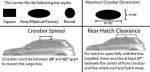
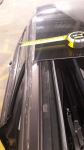
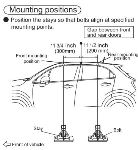
We are limited to whatever that lower number is. The spread of the crossbars is gonna be 32 inches. So from here to here, any accessories, roof box, rooftop tent, anything like that that you might wanna put up here, you just wanna check that that 32-inch crossbar spread is gonna be okay for you. And then, of course, if you have the ladder rack, you're gonna have two more bars to the back that you'll be able to load up with as well. But while we're up here, why don't we go ahead and check exactly what kind of clearances that we're gonna get with this, how far to the back, and how much clearance under the bar we're gonna have. That way, you have the best idea of what kind of accessories you're gonna be able to mount up here on the Tacoma. So the JetStream bars in this kit are 50-inch bars, so that's gonna give you a total of 50 inches on this track to be able to mount anything. There's not a whole lot of overhang. And in fact, it doesn't even overhang the threshold of the door. So if it's a concern of yours with an overhanging bar of hitting your head, on the Tacoma, you will not. This is pretty much flush right with the door here. So as we're looking at this, we may wanna also keep in mind how much clearance we have underneath here. We also have this antenna that we have to be mindful of, which does frankly stick just slightly above this bar. So you may find yourself in situations, where you're mounting it to either side of this so as not to bump in or interfere. Our clearance underneath the bar is going to be right at 3 1/4 inches. Even over here, under the very center of the roof, we're at 3 1/4 inches. The height that we're going to get out of this antenna comes to about 3 3/4. The height of the bars is at four inches. So if you've got something sitting on top of here, if the clamps don't raise it above the bar here at all, you only have a quarter inch of clearance from the top of this to the bottom of your accessory. So keep that in mind when you're choosing accessories to go on the roof of your Tacoma. So one of the things you might be asking yourself in regards to your roof rack is, how exactly would I keep this and my accessories up top secure Well, Yakima uses what they call the SKS or same key system, where you could buy sets of keys and lock cores that are keyed alike, that'll fit in all of your Yakima products that use the SKS system as well. So you'll be able to get a set of four of these, so that you can lock all of your towers through there. They'll all be able to be unlocked and re-locked using the same key. And you could also add cores using the same key to some of your rooftop accessories. So you may have a rooftop cargo box and have that key the same as all your towers. That'll help keep you organized and be able to get in and out of everything without any kind of confusion. One more thing I always recommend to anybody getting a roof rack on a taller vehicle like this is the Moki Doorstep. Now you may be able to get up into here pretty easily by using the bed, but there may be also times where you're storing things closer to the front and you just need that extra little level of reach. While the way this step is going to work is by deploying it as such, we'll have this little hook here. We're gonna hook that right in to the hook against our door here. It's gonna create a ledge for us with a 400-pound weight capacity. And we're gonna go ahead and use that to step right up. Now I can get myself access all the way to the other side and to the front if I need to that I wasn't really able to get to in the back. Especially if I have anything on the bars that's overhanging past the cab, that's just gonna limit our reach even more, making this a very handy tool to keep in the truck with you, which can be stored very easily. It can even be placed right here inside the door if you like. Now that we've had time to review this roof rack system on our Tacoma, let's go ahead and take a look at exactly how we got it installed. Now as we're getting ready to install these on our roof, it's important to kind of understand the components that we're working with. There are three main components to the roof rack, starting, of course, with the crossbar itself, which is going to be mounted on to our towers, which will then be mounted on to the custom kit that is really specifically made for your roof. So generally speaking, when you see these systems, the towers in the bars all remain the same. It's how they mount on your vehicle that really makes a difference from kit to kit. So the first thing we're gonna wanna do is take one of our towers and install our footpad. The footpad's gonna go on just like this. There is going to be a little arrow here that you could follow, make sure that's pointing outward or this notch is pointing on the outside of the tower. This is gonna install right onto this little bar right here by just compressing it down until it snaps in. And once we have that popped on, we'll be ready for the next step. The next step is going to be to attach this part, which is gonna hold it on to our vehicle frame. And in order to do that, we're gonna simply move this aside. We're gonna see this piece here. Now you'll notice that this has a tab and kind of a hook here. What we'll wanna do is turn that around and make sure it's facing down. What we'll then do is through this slot right under here, we're gonna slip our hook, make sure it gets under there, and then grabs on to that little hook that we found in back there. Once that is in place, we can close this up, and then we're gonna mount it on to our bars. So the first thing we wanna do before we get this on our bars is go ahead and remove our end caps. We could do that by lifting this tab and popping it right off, as such. And then we're gonna see a little T slot going through right here. That is gonna be connecting through this attachment here. So we'll start by kind of rotating this upside down, sliding it through that T slot, just like so, bringing it over. And then we'll replace the cap just to make sure this doesn't slide over and come off while we're making our adjustments. Now when you get this, it's gonna be fit for several different vehicle roofs. So Yakima provides a chart, not just in your instruction guide, but also online for you to follow through. Because it's a naked roof, it's gonna give us the measurements of exactly where our bars should be placed. It's also giving us measurements of exactly how far apart these feet should be on the bar. And our measurement for this is gonna be 38 7/8 inches. So we're gonna go ahead and measure it from this bar here on over. 38 7/8 should get us right about here. And once we have that taken care of and settled, the next step is to use our torquing tool that we get from Yakima. And we're gonna tighten it down, going through this hole right here. Not this one here, but this one right here. We're just gonna reach in and tighten that down until we hear a click or a pop come out. That's the torquing tool, you didn't break anything. That just means you've got it tight enough to spec. And there you have it. It's all in place. Our measurements are even, the bars are even from the end. We should be showing roughly three inches on each end. That way, the bars look even when you're riding down the road and we're right on the money. Now we're ready to go ahead and get it mounted up on our roof. Now your bar placement is gonna be determined in your vehicle installation guide that you're gonna get with your fit kit. There's also a backup table that I found a little bit easier to use on Yakima's website, where you could plug in your car and it'll tell you the measurements. But after reviewing that, we went ahead and installed our first bar. And the reason is because we need the placement of our first bar in order to determine where our second bar is going to go. Now the measurement that we got out of the fit guide for the first bar would be that the very front end of our foot pad here should be 11 inches to the top of the windshield. So we measured it out as such. We attached it up here, and now we can use this to place our second bar. The second bar placement is called for 32 inches, center to center, from the front bar to the back. Now a good way to measure that on the front bar is either right in between the two gurus on the clip, but I think a little easier visual to see would be the eye on the Yakima logo. It's pretty much dead center on our tower. So from this eye to the eye on our second tower, we should come out to exactly 32 inches. Now we've gone ahead and measured that out. We marked it with a piece of painter's tape. So the edge line of this should line up with the eye on our second tower. Now that we know where it's going, let's get up there and put it on. Now admittedly, the front bar can be a little tricky and any installation like this is always easier with a friend. However, it isn't entirely possible to get it done on your own. The back bar is gonna be a little bit easier because on the Tacoma, we're gonna have the truck bed to kind of help us out as far as making sure it's level on both sides. So the first thing we're gonna do is kind of set this down here. We wanna get our clip over the edge and we wanna get it, so that it's pretty much right in the middle there of those grooves, which again, is the center of the tower where that eye is going to be. So we're gonna get that attached right around there. We're gonna go ahead and kind of get our foot pad level as we can. It does swivel a bit to help you out with that. Before we go over to the other side and attach our clip over here, again, making sure the foot pad is level. Now the next thing that we're going to wanna do is make sure that it's going perfectly perpendicular across. We're gonna do that by measuring from the end of this foot pad to the end of the cab, and making sure that that measurement is equal on the other side. That way, we're gonna guarantee parallel bars, which is gonna be the safest and most secure way to load your accessories and your goods on your roof. Now that we've got our foot pads seated and we have a perfectly perpendicular setup between our bars, we're even to the back on both sides, so we know that. We're gonna be ready to tighten down our clamps and towers. Now if you're doing this on your own, one of the things that we notice is if you try to go full bore on one side, it could unsettle the other side. So if you don't have a friend to help you by holding the other one in place, might be a good idea to tighten down some over here, make your way around to the other side, do the same thing, and just kind of go back and forth and incrementally tighten everything down. And we're gonna do that in two different places. So we've got this bolt here that's gonna help tighten it down. And then underneath this, we have a bolt here that we're gonna go up through and tighten down from here. And we've been back and forth a little bit on this. So I'm gonna go ahead and get this tightened all the way up. And that pop lets us know that it's well and in place. We're gonna do the same thing here. And that one's already good before we put this down and we place our tower covers over it. So we're gonna go ahead and take our tower covers, and get them in place. One quick note though, the SKS replacement keys and locks and things like that, this is the spot, where those would go if you decided to purchase them. And the key core would go in this area right here while we've got it open and taking a look. So to put this on, we're gonna go ahead and hook these on to these tabs right here before pushing it into place. Now we've got that on there and we are ready to load up and hit the road. So there's a look at why this Yakima roof rack system will be an excellent addition to your Tacoma for your next adventure. Once again, this is Curt at etrailer, thanks for stopping by.
Ratings & Reviews

Bought kayak racks. Took a while to put together, but they are very high quality. etrailer send a wrong part (digits on the part number were reversed), but it was very easy to get this corrected and I received the correct part in less than a week. I even spoke to someone on a Saturday afternoon about the mix up who was very pleasant! They have my vote.
The Yakima roof rack came in and was super easy to install. Appreciate the etrailer videos offering ways to install the racks.
Relatively easy to install on my VW Golf (etrailer videos are very helpful) and sooooo useful with my Yakima skybox. Not much road noise, so I can leave the rack on even when I am not using it.
These bars are outstanding. They were purchased for a Jeep grand cherokee '18. I had previously purchased from another brand, but the whistle noise was constant and very noticeable. These are completely quiet, I am glad I changed to the yakima bars. Installation was also much easier, and more "flush" mounting with the yakima brand. Glad to do business with etrailer!
the product was exceptional. I would recommend it to anyone, who has a vehicle with a naked roof. It is a solid as a factory installed rack. Josh went out of his way to get me a replacement torque screw driver because the first one from Yakima was working properly.
Great product but what is even better is etrailer’s service! Order was lost in the mail but Lauren stayed on top of it and made it right. Thank you for the great service!
The Yakima JetStream Crossbars minimize wind noise and provide full, yet sleek support to every roof top load demanded of it.
Super solid rack and the only one that fits the Jeep Cherokee without rails well and looks good too. Easy to install and worth the price
The rack system seems very good, but time will tell, of course. The installation is difficult and time consuming. I purchased the system needed from etrailer website with guaranteed to fit pieces. I would call myself a very experienced do-it-yourselfer. I followed directions slowly, carefully, and exactly, yet there were problems. The video for installation given for my exact order did not match the printed and actual assembly and installation directions. The baseclips that were guaranteed for my model vehicle were actually for a different model vehicle according to the enclosed sheet ... however they did work anyway but caused some "looking up" and some confusion during assembly. I was careful to assemble exactly to measurements given ... and once that is all done and tightened and "sealed up" you put them on the roof, only to find that they could have been spaced a bit wider for a perfect fit. They are fine enough and we'll see if they stay tight to the vehicle. If not will need to take it all apart and widen the spacing.
It is excellent that basically only one tool that is provided with the racks is needed. And also that each part must "click" when properly tightened. That adds reassurance and satisfaction while assembling.
There are so many models of vehicles and it is not easy to figure all this out. etrailer has a very helpful website, response, and videos to help ... but my review is to emphasize that the instructions are not perfect. One needs lots of patience, common sense, and perhaps re-assembly for a perfect outcome.
Well you asked for it so;
I ordered this as part of my roof rack for a 2021 Nissan rogue. The complete roof rack set was unavailable le as one bracket was on back order and said would ship in under a month so I ordered everything else in the meantime. Little did I know it would take a over a year to get one stupid bracket and yes, I'm still waiting. I can't even return the items I bought because it's way past the 90 day policy even though they're brand new still in the box collecting dust. etrailer, this has been the worst experience I've had yet with you guys. Oh still waiting for my one bracket to complete my roof rack
Gast shipping and great updates on my items, thank you!
robert s was terrific !!! excellent customer service !!! from assisting with a return, to recommending an alternative, to informing me about delivery status ...
the yakima jetstream crossbars with baseline towers were a bit more complicated to assemble and install than the brand i returned, but the wind noise and whistling are dramatically less ...
the next step is to select a cargo carrier ... it goes without saying that i will consult robert again ... thanks so much robert, and safe and happy travels to all
Great UX for finding the options matching my car, and the baseline towers work great. Simple straightforward site, will plan to use them again when needed.
For those also buying crossbars for cars without roof rails, recommend taking a silver sharpie and marking the placement of the crossbars on the weather seal at the top of the door openings. Makes putting them back on way less of a hassle if you don’t want them on 24/7.
Very happy with our purchase. I love how easily you can remove the entire rack easily. Too bad the locking mechanism comes separately but we are still happy with what we received.
Amazing quality easy set up fast shipping buy the locks the 4 pack With this fast shipping super impressed
Really easy to install & work as specified. So happy with the customer support/service at etrailer.
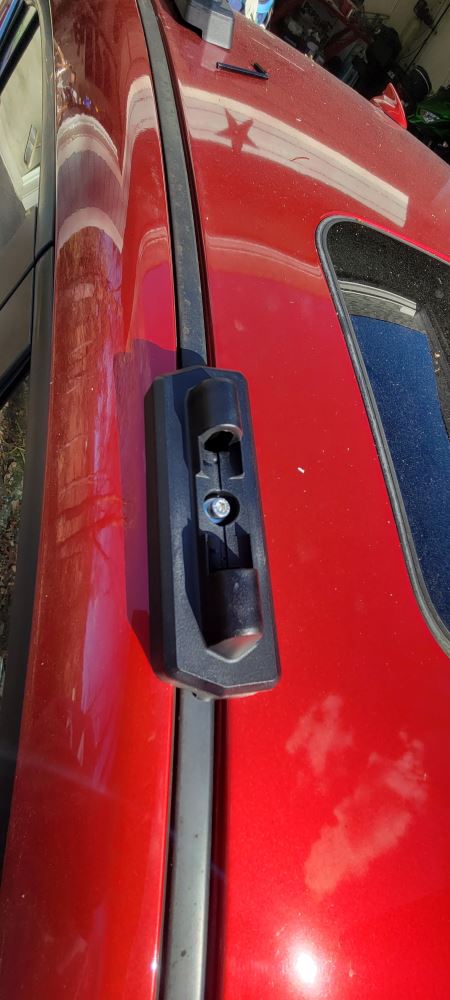
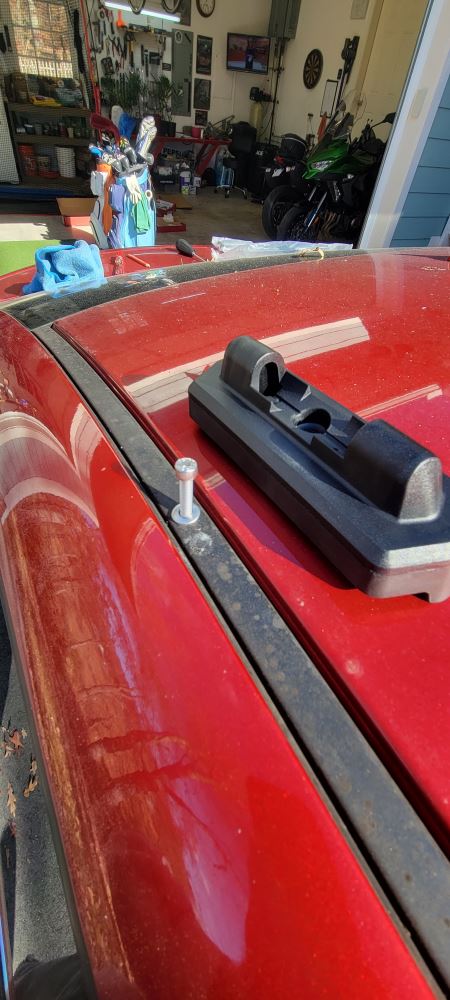
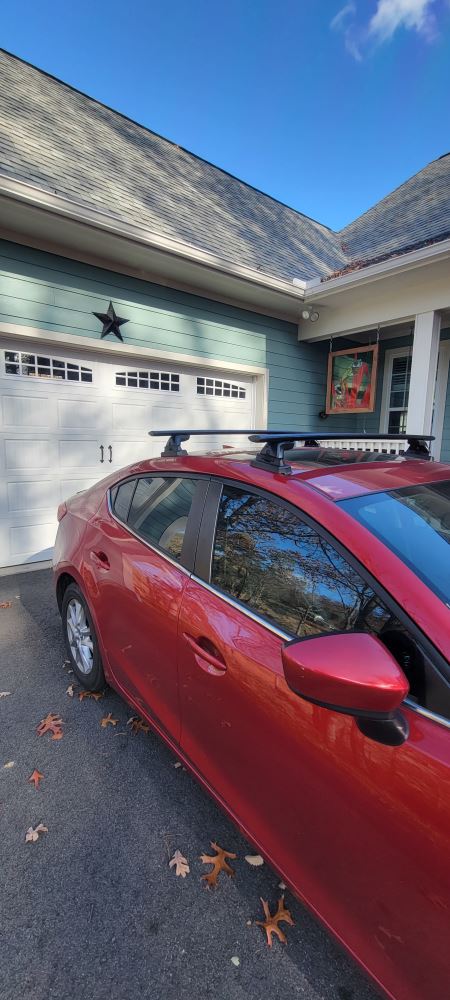
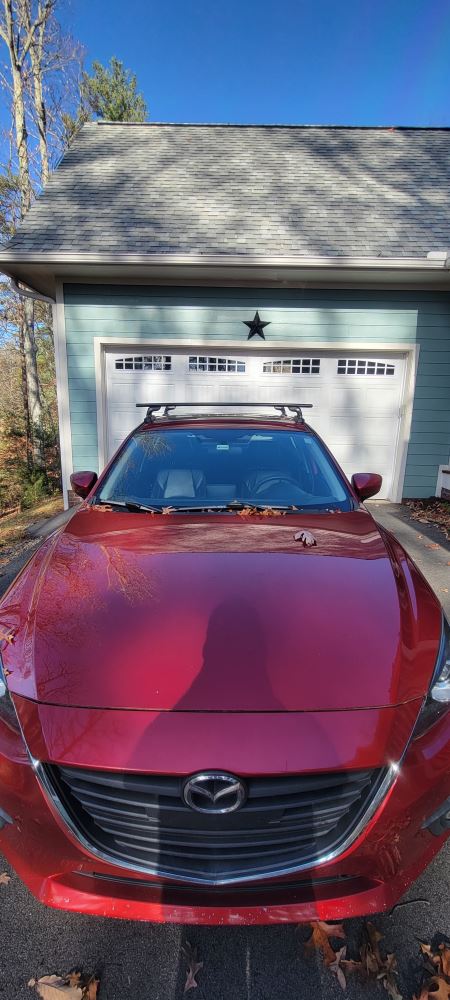
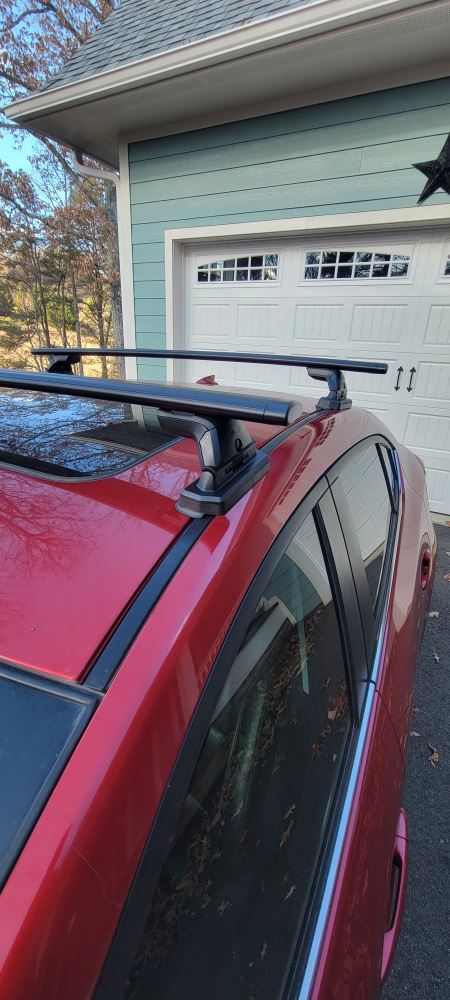
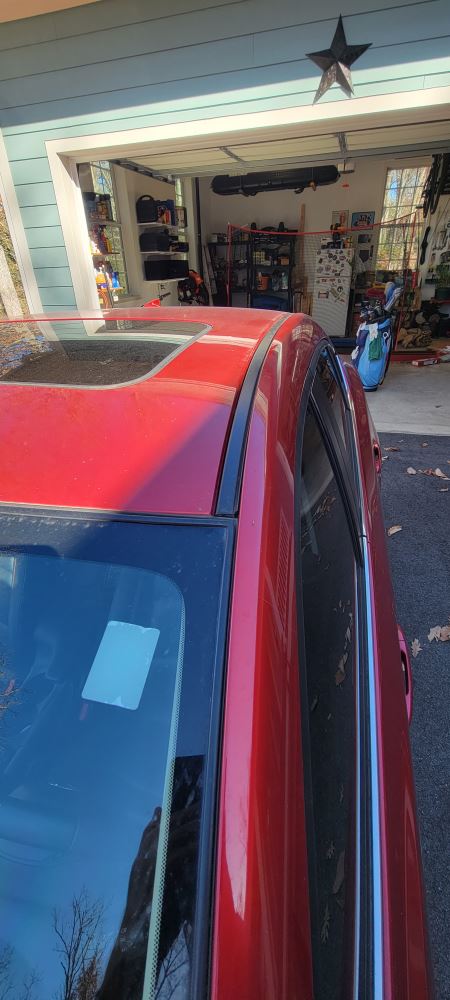
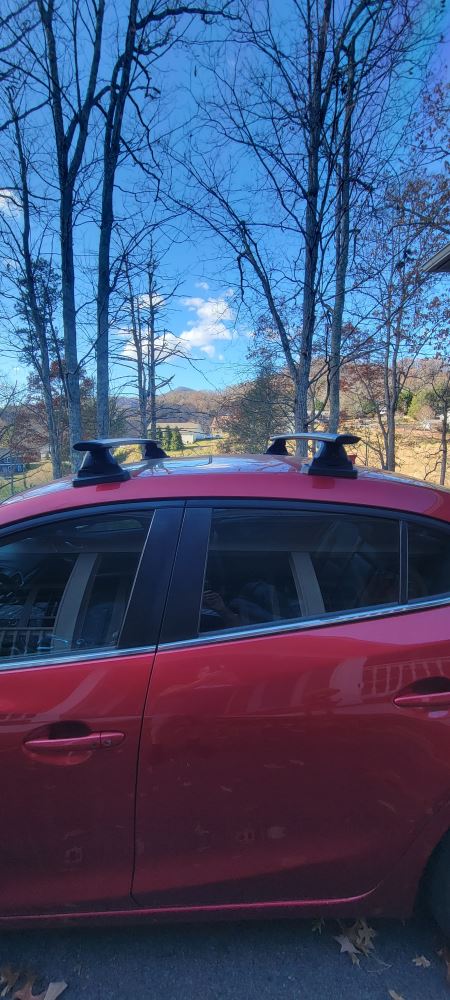
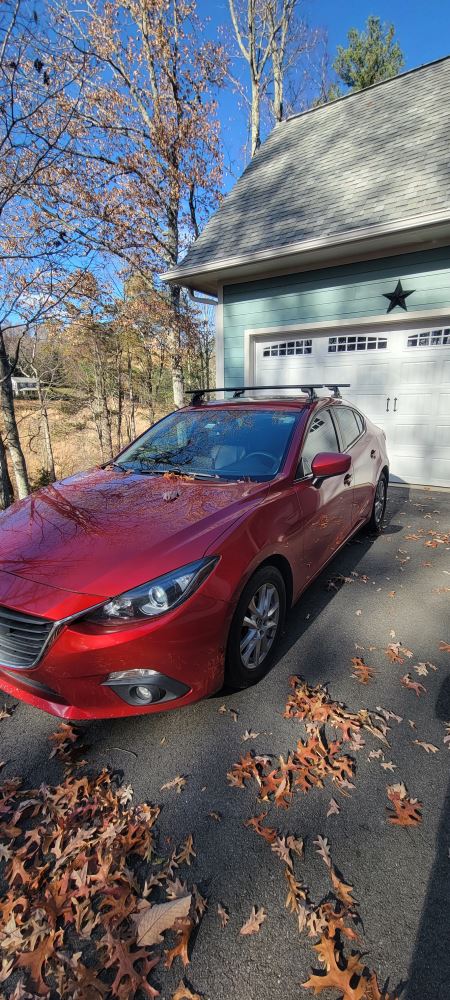
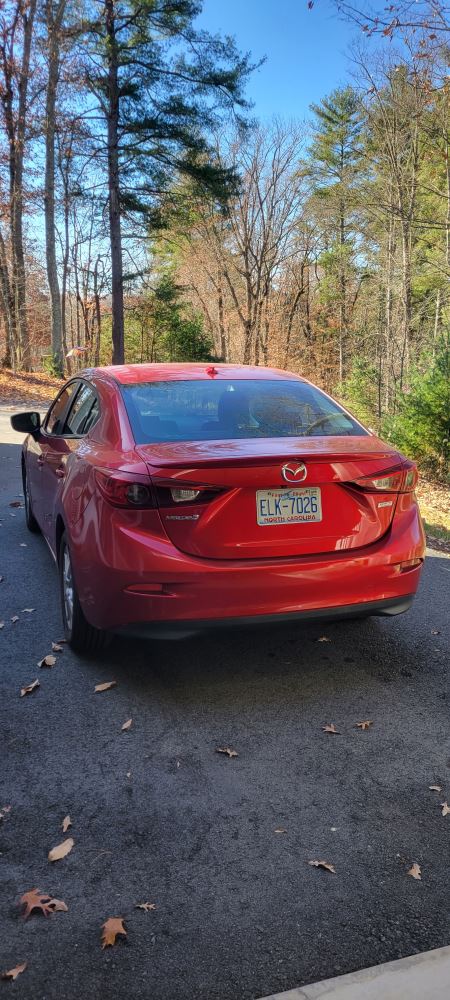
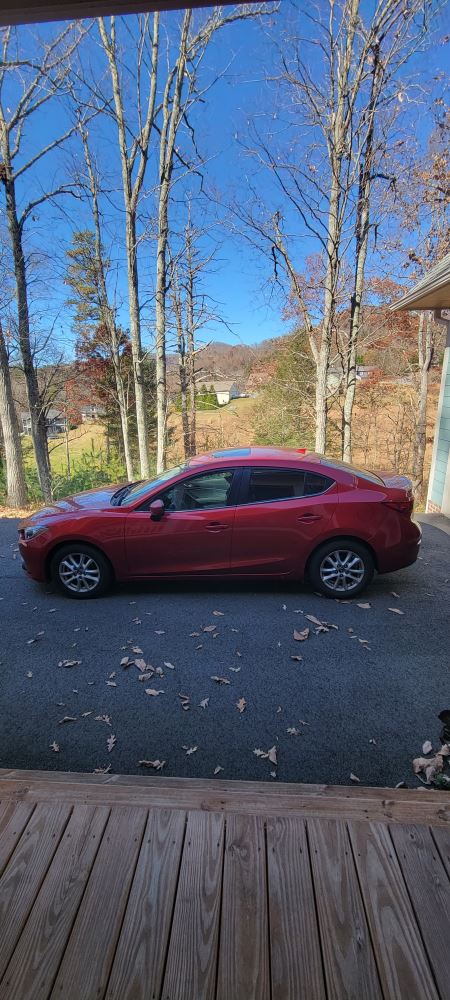
For a 2015 Mazda 3, 4 door sedan.
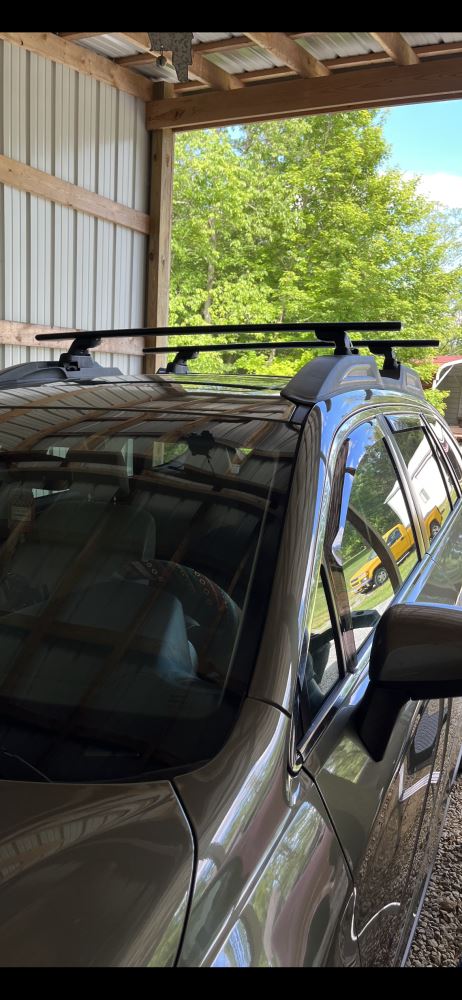
I used the 50" jetstream bars with the skyline towers and the #22 Landing Pads.
Went together easy, great quality, very solid feeling! And, easy to remove and install when needed.
Super happy with my purchase from e trailers purchased yakima roof rack. Knowledgeable sales rep.Help me through the process on purchasing my roof rack Recommended to anyone quality parts
Lightweight and actually quite quiet with no attachments on them. With my bike racks there is a fair amount of noise but it doesn't come from just these. Mine is on a 2011 BMW 335.
Great product haven’t had any issues with it. Would highly recommend that anyone that’s looking for a roof rack system and a great seller at etrailer
The installation was super easy, and despite a long time stuck in shipping the delivery itself was extremely fast, and the package arrived in spotless condition. The manuals were very easy to follow, and the end result is absolutely amazing. I love that there's a rubber piece in the top rail that doesn't need to be cut, which makes it a very flush and smooth fit. I also love the modularity and the weight that it can handle, especially for the stuff i plan on carrying.
The yakima jetstream crossbar looks beautiful. Quality is great. Took my vehicle for a test drive, and i didnt hear anything loose or broken from the bars. Very satisfied with the product and the instructions were great. It was my first time installing a roof rack too.
I waited several weeks for roof rack to arrive after ordering online. I am accustomed to Thule racks, but could not find any towers/bases to fit the 2019 Santa Fe. Once here, the Yakima rack mounted with ease and I look forward to hauling kayaks or basket on the roof.
Thank you etrailer.
Excellent fit and held solid on my '23 Ford Maverick pick-up for the entire canoeing season. When removed this Fall there was no sign they were ever there.
The only problem I had, was when I watched the video showing how to install the rack, I did not realize that the actual installation process was a lot more complex. For example, the woman who was in the video only showed the installation one rack (I believe itg was the back rack and she gave the width measurement for that one. The front rack was already on the car and the woman neglected to say, "check your manual. The width of the front rack (may be) different than the back. She also did not explain carefully that there were three different screws that needed to be adjusted for a proper fit so the towers were properly adjusted for yoiur specific car. (My car is a 2018 Chevy Volt.) (I also bought Yakima kayak cradles from you guys, which were easy to install.)
However, I blame myself for not reading the manual carefully, so when I installed the racks, they did not fit right and one of them actually fell off while I was driving. (Luckily there were kayaks on and no one was hurt. The two towers were damaged but luckily the rack and the kayak cradles were fine. I called etrailers and was told I had to contact Yakima, which I did. I explained to the Yakima customer service rep that I was at fault for trusting the video and not reading the manual carefully and after asking me to send him photos of the damaged towers he sent me two new towers for free, as well as another torque wrench, so I could work with a second person.
This time I read the manual carefully and watched the Yakima video many times during the a week before I felt confident enough to try installing the racks again.
This time they fit perfectly. I love both the rack and the kayak cradles. I use them to transport my two kayaks down to the Hudson River near my house and have also used them to carry the kayaks to a family camping site 50 miles away, confident they are safe and secure.
But please, review the video you put out for the installation of the racks onto a 2017 Chevy Volt, and either correct the shortcomings by doing it over, with an explanation about the adjustment of the widths, and also reading the manual and finding the correct positions for the adjustment screws. (Or delete it and refer your customers to the Yakima installation video. Though it’s more generic than yours, at least the tell the customer to refer to the manual.
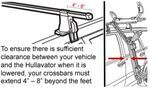
Do you have a question about this Roof Rack?
Info for this part was:
At etrailer we provide the best information available about the products we sell. We take the quality of our information seriously so that you can get the right part the first time. Let us know if anything is missing or if you have any questions.


















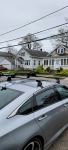





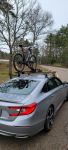
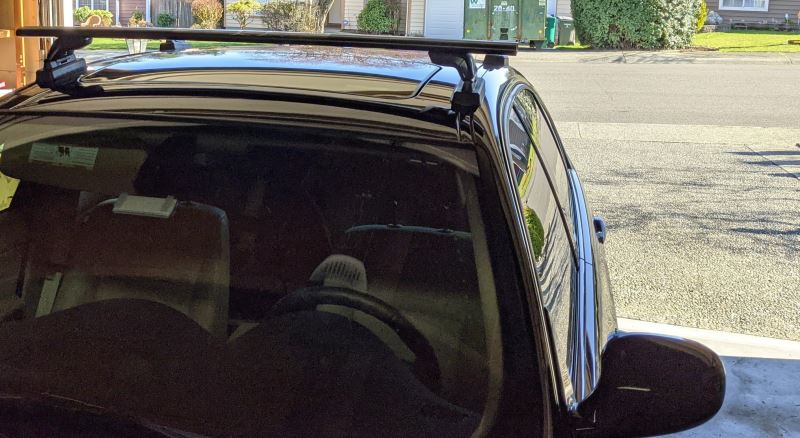
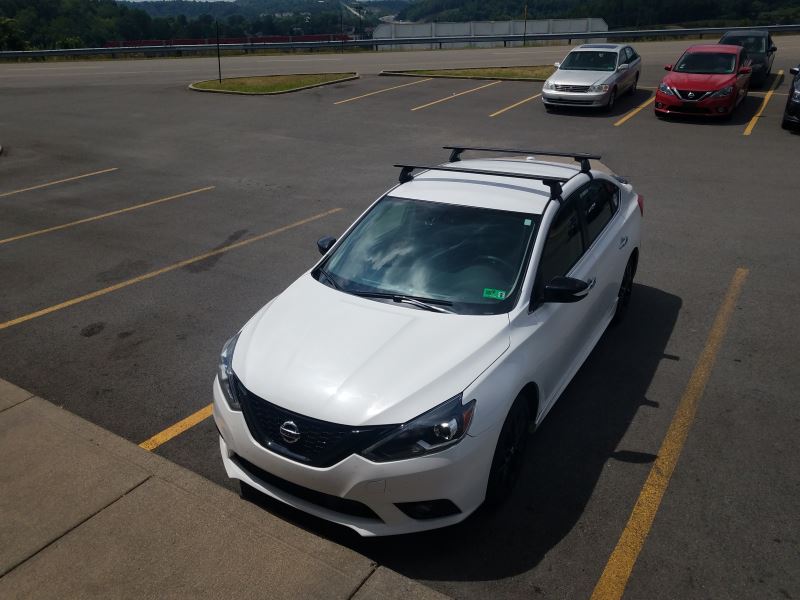










Victoria H.
11/29/2024
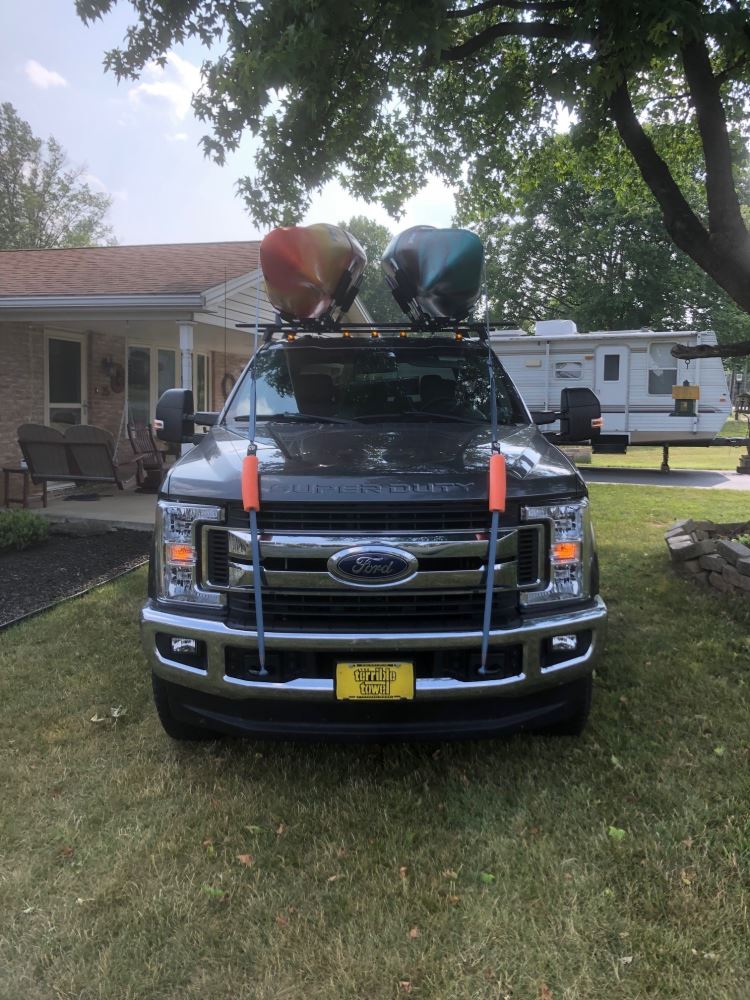
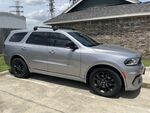
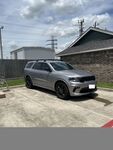
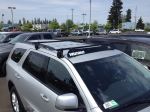
That's awesome Steve! Thanks for the photo; what a fun looking set up you have there.