
Tekonsha Prodigy P3 Trailer Brake Controller w/ Custom Harness - Up to 4 Axles - Proportional


To see if this custom-fit item will work for you please tell us what vehicle you'll use it with.


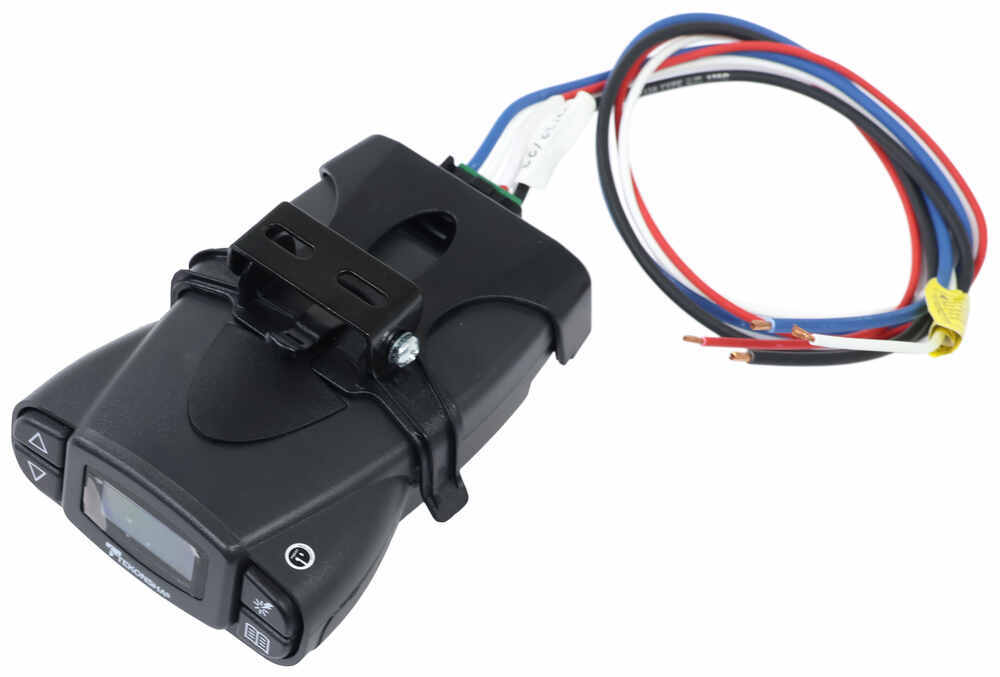

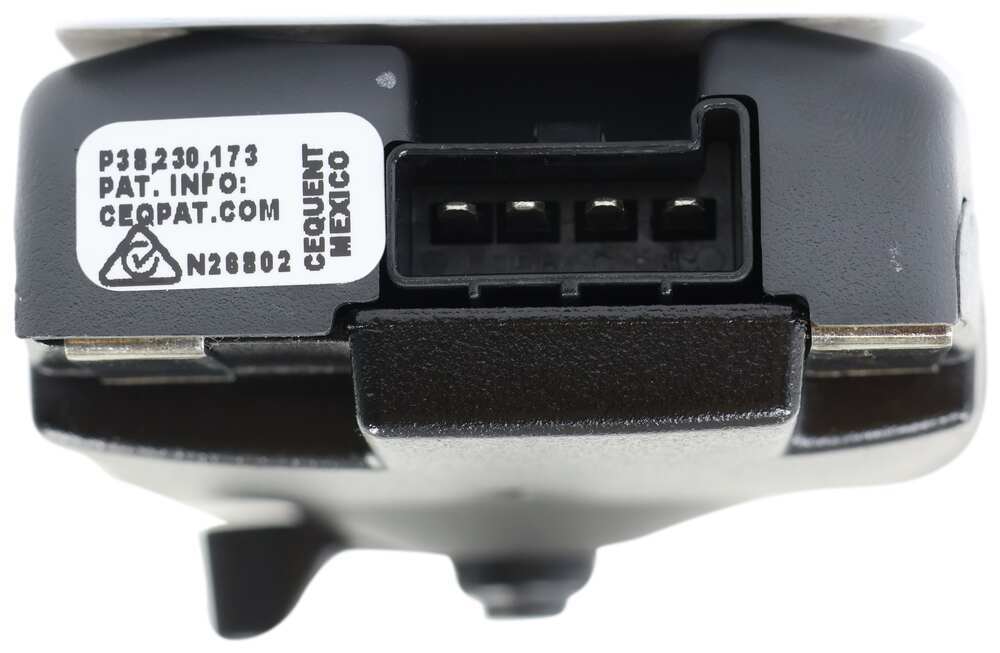
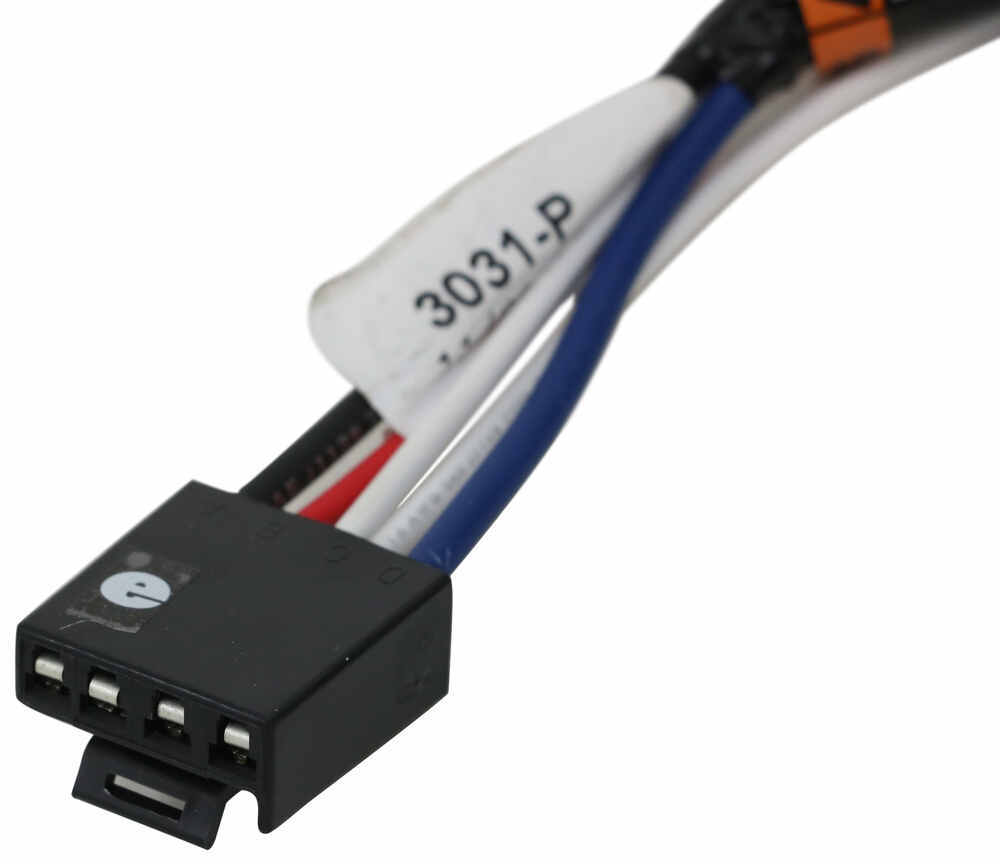
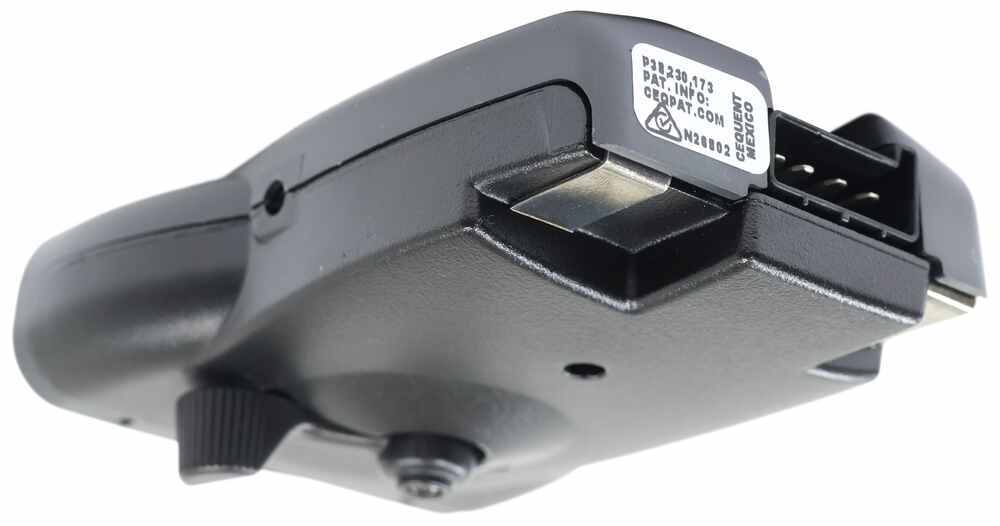

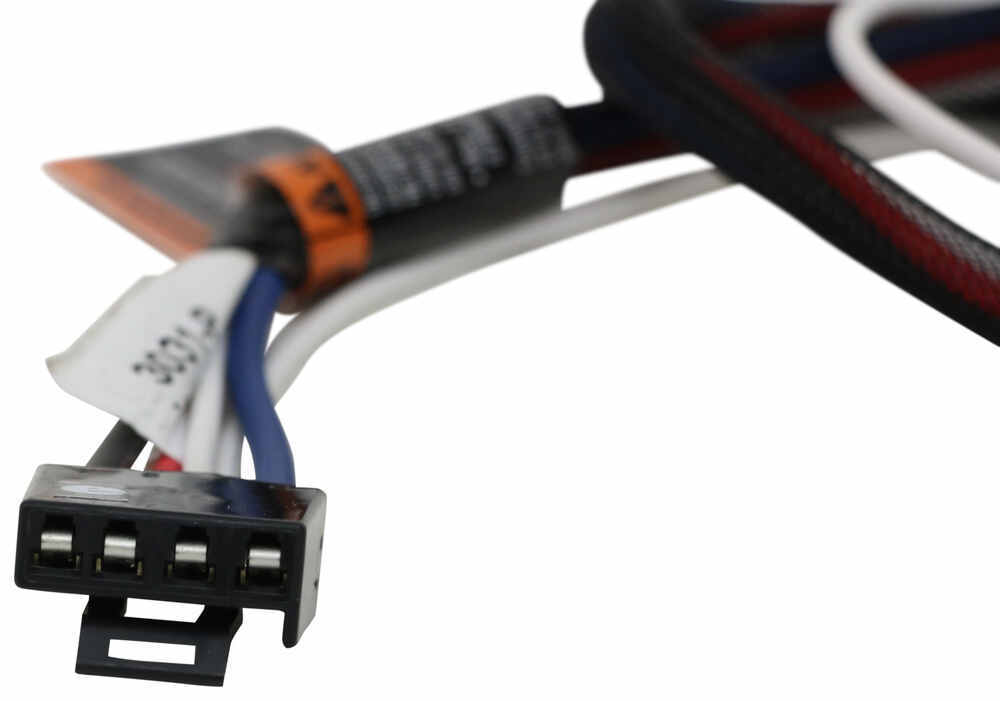
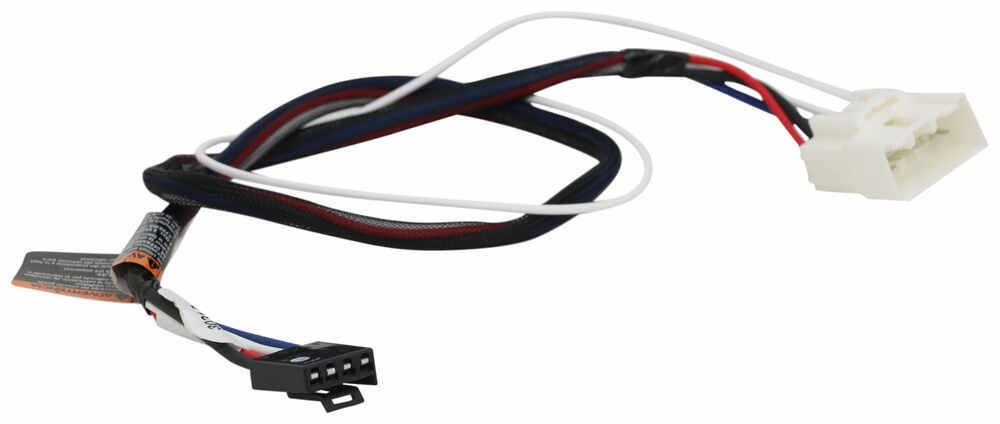

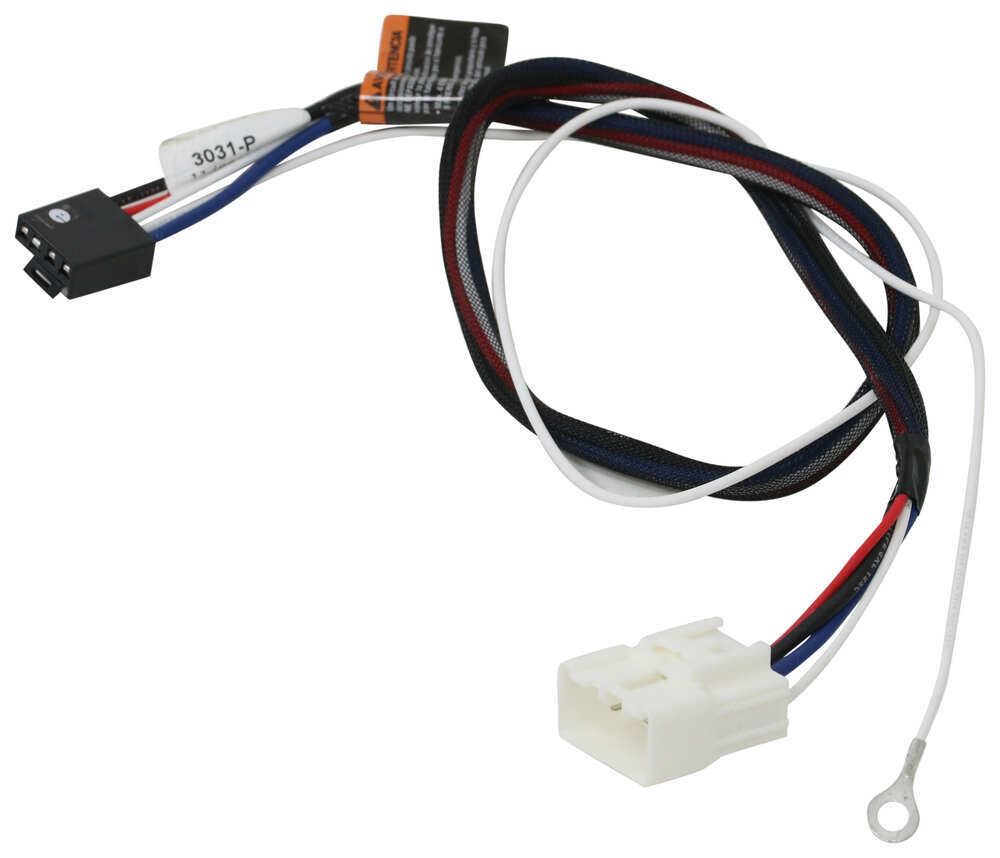
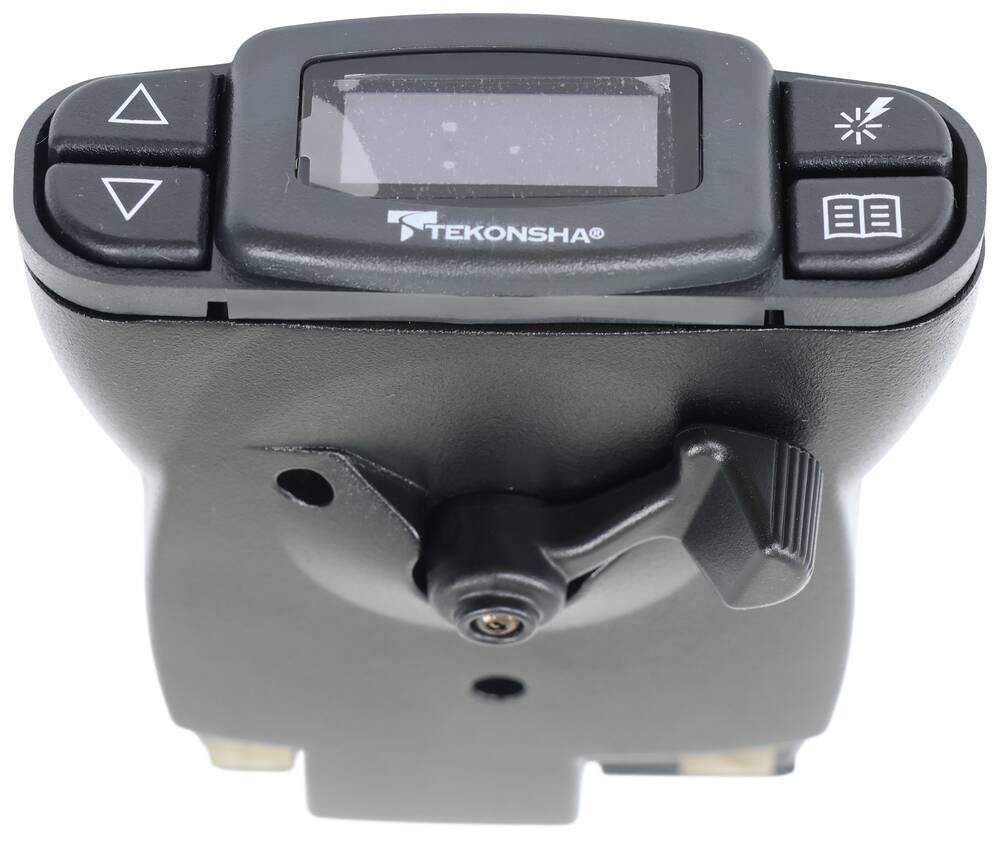
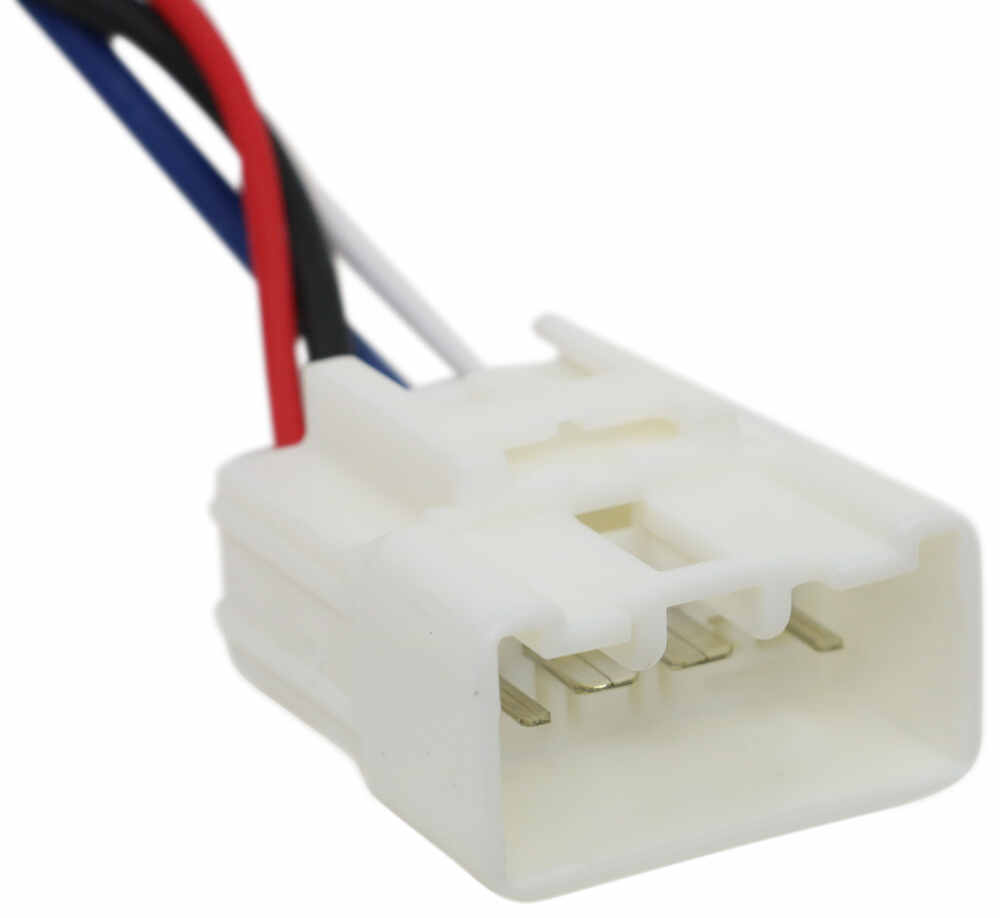
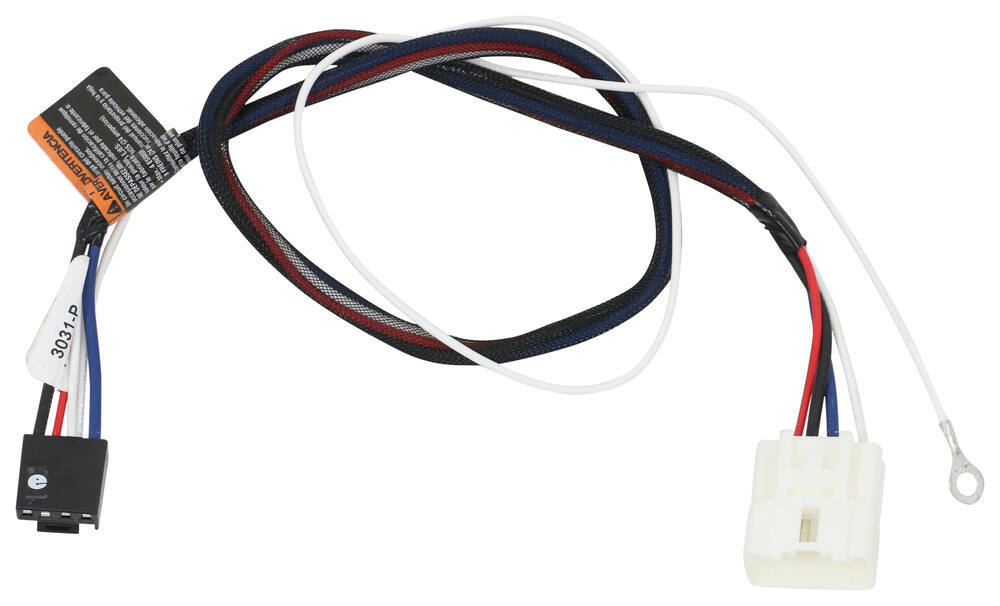




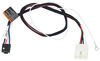
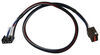
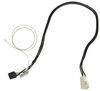
The Tekonsha P3 is a brake controller beloved for its reliability and useability. You're able to save your settings and multiple profiles. It's easy to install, and with the custom harness, it's plug-and-play.
Features:
Specs:
Braking output is the maximum amount of power that will be applied to your trailer's brakes. How much braking output you need is determined by the weight of your trailer; a heavier trailer will need more power to bring it to a stop. You want to go as high as you can without the trailer brakes locking up.
Use the arrow buttons on the front of the module to set the output.
The boost setting controls the aggressiveness of your trailer's braking, meaning how quickly the brakes reach the maximum braking level. If your vehicle takes too long to come to a stop, increase the setting. If it stops too abruptly, decrease the setting.
Depending on the level of boost, your trailer brakes can start at either 13 percent or 25 percent of the set braking output. So instead of starting at 0, the brakes will start at 25 percent and get to 100 percent sooner. This keeps the trailer from pushing your tow vehicle forward.
Boost Levels:
| Approximate Gross Trailer Weight | Boost Level | Increase in Initial Power Output |
|---|---|---|
| Less than tow vehicle GVW | B1 | 13% |
| Equal to tow vehicle GVW | B1 or B2 | 13% or 25% |
| Up to 25% more than tow vehicle GVW | B2 or B3* | 25% |
| Up to 40% more than tow vehicle GVW | B3* | 25% |
*Both B2 and B3 offer a 25-percent boost in initial power. But the braking curve for B3 is more aggressive than that of B2. This means that, even though you will start out with the same intensity when using these boost levels, you will get an overall more aggressive braking experience with the higher level. So if you use B3, you will reach maximum braking sooner than if you use B2.
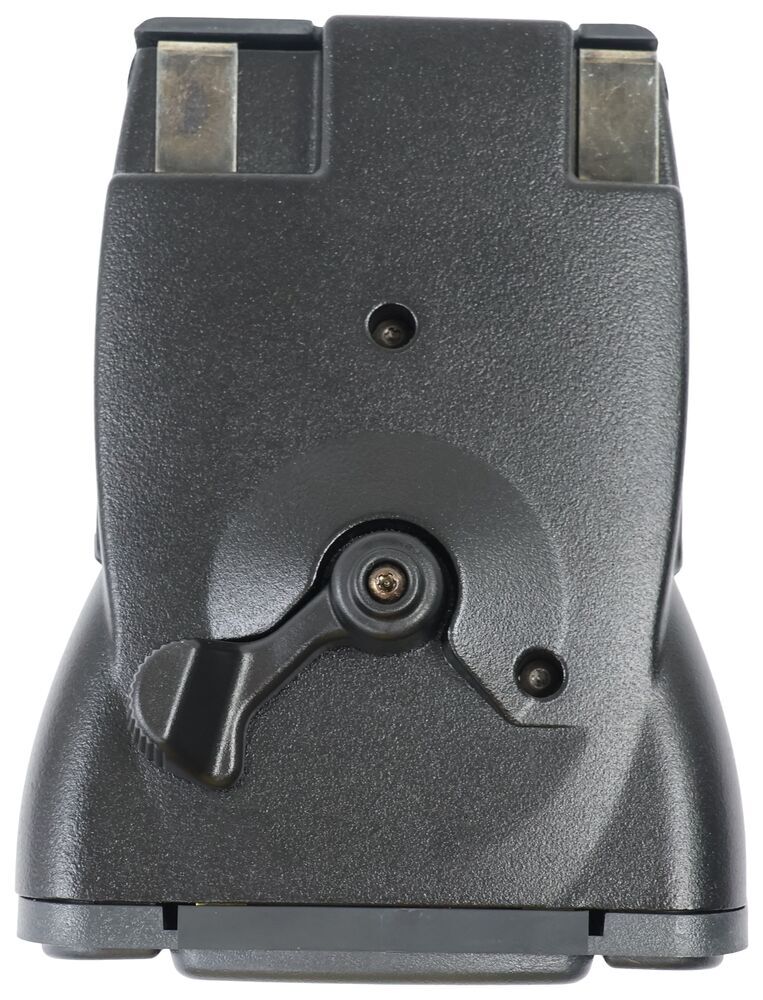
To engage the manual override, twist the rotary-style lever from right to left. This will activate the trailer's brakes and brake lights independently of your vehicle, great for stopping sway or controlling your trailer's momentum in an emergency.
The P3 is able to store your settings in multiple profiles so that you can have them ready to go for different trailers and drivers. Even the display is super customizable: you can change the screen color, brightness, and language to make it easy to use.
The P3 makes it easy to troubleshoot problems as they come up, with comprehensible and detailed diagnostics displayed on the screen.
Diagnostic troubleshooting messages include:
Diagnostic warning signs include:
The Prodigy P3 offers advanced safety features to prevent damage to various components of your towing setup.
-Integrated reverse battery protection shields the brake controller and your trailer's breakaway system from shorts.
-When the P3 is not in use, it draws only 3.6 milliamps, minimizing drain on your vehicle's battery.
-Any time your vehicle and trailer are at a standstill with the brakes applied for more than 5 seconds, the hold feature will kick on and reduce power to just 25 percent. This will keep your trailer in place without your brakes overheating.
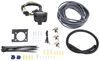
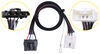
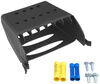
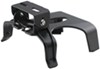
Installing the P3 is incredibly simple. You'll mount the bracket to your dashboard then mount the unit to the bracket. Plug the custom harness into your vehicle and into the unit. Done!
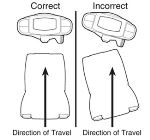
Keep in mind that the P3 must be horizontally level and parallel with the direction of travel to work correctly.
With a replacement wiring harness (sold separately) and replacement bracket (TK5906 - sold separately), you can even transfer the Prodigy P3 to another vehicle.
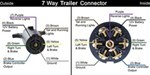
Note: If you don't already have a 7-way plug at the back of your vehicle, take a look at our exclusive 7- and 4-way brake controller installation kit (ETBC7 - sold separately).
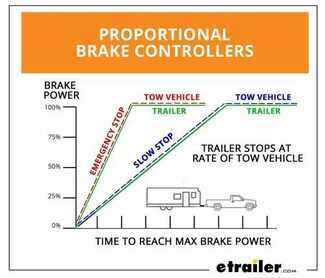
Proportional braking means that your trailer brakes mimic your tow vehicle's brakes. If you slam on the brakes, your trailer brakes will activate with the same intensity; if you brake lightly, your trailer brakes lightly too. The trailer's braking is in proportion to your vehicle and trailer.
The Prodigy P3 uses an internal inertia sensor to detect how your vehicle is braking so it can send the right amount of braking power to your trailer. It measures the inertia of your tow vehicle and activates the trailer's brakes to slow at the same rate. The result is uniform braking across your towing setup. No push-pull action - just smooth, proportional braking every time.
 Alternate Instructions
California residents: click here
Videos are provided as a guide only. Refer to manufacturer installation instructions and specs for complete information.
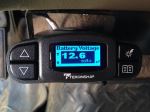
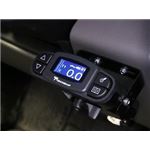
Today on our 2017 Ram 2500 we're going to be taking a look at, and installing the Tekonsha Prodigy P3 trailer brake controller, part number 90195. Now we're going to be installing this in conjunction with 3024-P, which is a Tekonsha plug in wiring adapter for electric brake controllers. So here's what our brake controller looks like fully installed. Now this is a proportional brake controller, which means that it's going to apply the same amount of pressure and force to our trailer brakes at the same time that we're applying our brakes to our vehicle. What's really nice about it being a proportional brake controller is that when we're not moving, and we're not slowing down, say if we're at a stoplight, it's not going to apply any brakes to our trailer, saving our brakes on our trailer from wearing out prematurely. It's only going to apply our brakes when the internal sensor inside of our brake controller senses that we're slowing down. Now if we come to our arrow buttons over here, this is going to be for our gain control and our max power.
Now we're going to be able to set our power all the way up to 14, and as low as zero. So if we set it up all the way to 14, these numbers are going to be in volts. So at 14, if our alternator is putting out 14 volts, it's going to be sending 14. We're going to be able to adjust it to whatever we may need depending on the load, our trailer size, or road conditions. Now if we come to the button over here, the lightning bolt with the asterisks, this is going to be for our boost setting. Now we're going to have a total of three settings.
In each setting boost off, it's not going to have any extra boost. Boost one, each setting going from one up to three is going to have a slightly more aggressiveness when the brakes are applied. As you can see on the display here, the trailer on the truck on our display is getting bigger with the bigger number. So if we have no boost, there's a small picture of a small trailer behind the truck, and it gradually gets bigger. If you are carrying a heavy load, you may want more boost to give you that extra braking power, but if you're towing maybe a half empty trailer, or an extremely light trailer, you may not want to set the boost on at all. Now if we hit this button here, it looks like a book, that's going to take us into our main menu.
We can go into the display, the brake type, and the help section. Now we're going to have a lot of different setting that we're going to be able to go through. Like the brake type, this controller is going to be able to control electric brakes and electric over hydraulic brakes. On the bottom of our controller here we have a knob. Now this is our manual override knob.
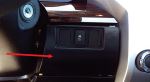
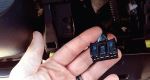
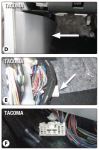
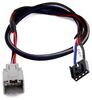
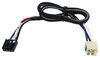
So we're going to be able to apply maximum power to our trailer brakes just by reaching down and swiping this button over. Now that we've gone over some of the features, let's show you how easy this is to get this installed. To begin our installation, we're going to need to find a spot to mount our brake controller. We're going to have a couple different mounting options. We're going to be using this clip here, and if you slide it onto the back it will lock into place on the sides. Now in conjunction with this mount, we're going to be using this small mount, that will eventually have two screws going into it, but we're going to need to mount this to our dash. So I'm going to take a couple of the provided self-tapping screws that they give us, and I'm going to mount it on the right side of our dash, just below our ignition right here. Now it's always a good idea to double check behind what you're drilling into to make sure there's nothing it's going to interfere with. Now I do want to mention we're going to leave this a little loose on one side before we get the other one in because we're going to want this to be as level as possible, and we don't want any tilts or angles in there. Once we have it pretty level I'll go ahead and put the other screw into place. Now we can take our brake controller, and we can slide it into place. Then we can take one of the machine screws that has a built in washer on it, and we're going to feed it through and thread it into the side of the bracket we just put in place, making sure that it goes through the brake controller bracket as well. Once we have it started, we can go ahead and tighten it up. Now we can put the other side in. So here's our adapter cable. This ends going to plug into the back of our brake controller while this end is going to plug into our factory plug underneath our dash. Now it's going to be on the driver's side, underneath the right hand side of our dash. So if we come to our gas pedal and go straight up, we're going to be looking for a port, or a plug, that looks similar to this, but it's going to be the opposite. It's going to fit inside of here, and it's going to be a four prong plug. Now if we reach up here and we pull down, we're going to have two plugs. Now this white one with the four prongs is going to be the one we want, but it is taped to this other plug, just for reference so you know where we're at. We can take the plug and we're going to insert it until it locks into place. Now we're going to take the other end, and we're going to plug it into our brake controller. Now all we have left is to tuck up our wires under our dash and secure them so they don't get in the way or obstruct our pedals. With everyone tucked up, and our trailer hooked up, we're ready to hit the road. That'll finish up our look at the Tekonsha Prodigy P3 trailer brake controller, part number 90195 on our 2017 Ram 2500.




Do you have a question about this Trailer Brake Controller?
Info for this part was:
At etrailer we provide the best information available about the products we sell. We take the quality of our information seriously so that you can get the right part the first time. Let us know if anything is missing or if you have any questions.



















Thank you! Your comment has been submitted successfully. You should be able to view your question/comment here within a few days.
Error submitting comment. Please try again momentarily.