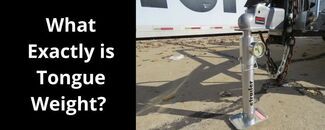
Dial in your hitch setup with a 2000 lbs tongue weight scale. It verifies your real loaded tongue weight so you can balance cargo and choose the right weight-distributing bars, aiming for 10-15% of your trailer weight. Easy to use and read, it lets you check before you hook up so you know you're within limits and your rig tows smoother.
Yes, it helps verify real tongue weight, which can be higher than posted once batteries and propane are added. Use it to select appropriate weight-distributing bars and anti-sway measures. Remember, cargo behind your truck's rear axle also counts as tongue weight, so factor that in.
It weighs 5 lbs. That makes it easy to carry around for checks at home, the dealer, or the campsite. If readings seem inconsistent, recheck on level ground and confirm against known weights to rule out setup issues.
Keep it within 2 degrees for an accurate reading. Uneven ground can shift the trailer and affect results. Chock the wheels and use a firm, level surface. If it seems unstable, add a jack stand or pad to help steady the setup.
Yes, a 2000 lbs tongue weight scale can provide solid guidance. The gauge displays weight in 50-lb increments and has a 3% margin of error. Use it to confirm you're in the 10-15% tongue weight range and to pick the right weight-distributing bars. For confidence, verify calibration with known weights and recheck if readings seem off.
Yes, check your jack height. The scale's minimum height is 14-1/2" and the maximum height is 20-1/2", adjusting in 2" increments. If your setup feels tippy, add a small jack stand or a stable pad to improve stability on hard, level ground.


 Filters