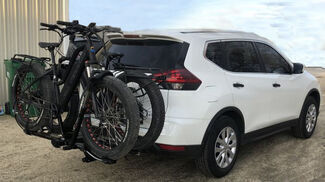
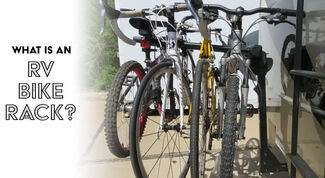
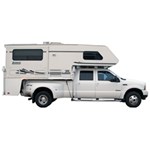
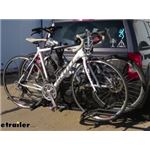
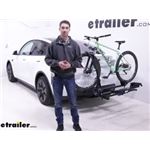
Load up easily with a platform rack that secures bikes by the wheels or frame, a solid match for RVs and campers. For travel trailers, verify the rack is approved for trailer use or a bumper receiver to handle the extra movement. With locks not included, bring your own hitch or cable lock if you want theft deterrence and peace of mind.
Plan on some trial and error to position two bikes. Adjust wheel holders to match wheelbase, and remove/replace frame hooks as needed to swing the center mast up. If push/pull pins feel tight, a bit of lube and jiggling helps. Check for small retaining screws that keep wheel holders from sliding when driving empty. Use bungees or ties to reduce movement and add foam at frame contact points.
Yes, if the platform rack is rated for trailer/RV use. Some platform racks aren't designed for travel trailers, so confirm RV approval. If using a bumper receiver, placing it on top of the bumper can help ground clearance. A heavy-duty 2" bumper receiver lets you use a 2"-hitch platform rack. If mounting to a bumper, you may need to drill and add extra bungees or ties to secure the bikes.
Use a small padlock through the hitch pin in place of a cotter pin as a theft deterrent. If locking clamp arms, check shackle clearance—some 3/16" locks can look latched but pop open, so tug-test it and consider a longer shackle. Add bungees or ties to help stabilize the bikes. To protect frames from hooks, add foam pipe insulation or pool noodle pieces at contact points.
Often only if the rack tilts or swings. You can tilt the rack before loading, or load a bike in the outside position for easier access. Some non-tilting platform racks prevent tailgate opening, folded or loaded. If door or tailgate access matters, choose a tilting or swing-away style and verify clearance on your vehicle before heading out.


 RV Bumper Rack
 RV Hitch Rack
 RV and Camper Bike Racks Parts or Accessories
 Filters