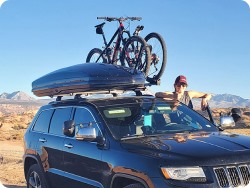
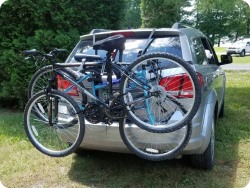
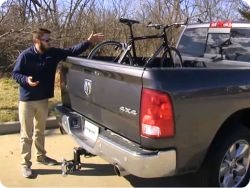
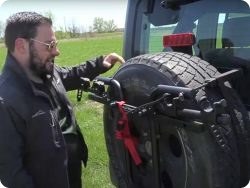
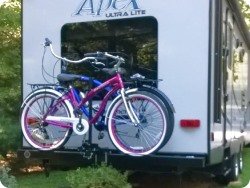
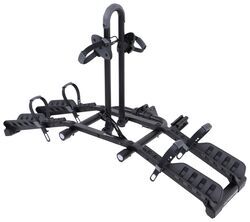
Whether you're carrying one bike or a whole family's worth, we'll help you find a bike rack that fits your vehicle, your bikes, and the way you travel. Shop hitch, roof, trunk, truck bed, spare tire, RV, and trailer bike racks for everything from everyday bikes to heavier e-bikes.Not sure where to start? Choose your setup or the type of bikes you're carrying below.
Choosing the right bike rack comes down to your vehicle, your bikes, and how you plan to travel. At etrailer, we install and test hitch, roof, trunk, truck bed, RV, and other bike racks on real vehicles so you can see how they fit, how easy they are to load, and how they hold bikes on the road.With more than 75 years of helping neighbors, 35,000+ installations, and over 1 million photos and videos, we've worked with these setups firsthand and can help you find a bike rack that fits your vehicle and the bikes you actually carry.
What type of bike rack is best for my vehicle?
Hitch bike racks are easy to load and work well for most vehicles with a compatible hitch. Roof racks keep your hitch and rear access available, while trunk racks are a good option when you don't have a hitch. Truck bed, spare tire, RV, and trailer bike racks are designed for more specific setups. Start with your vehicle, then consider how many bikes you're carrying and their weight.
How do I know if a bike rack fits my vehicle?
Start with your vehicle's year, make, and model and the mounting style you want to use. Hitch bike racks need a compatible receiver size and enough hitch capacity, while roof and trunk racks need to be confirmed for your specific vehicle. Checking vehicle fit before choosing a rack helps avoid clearance and installation problems.
Can I access my trunk or hatch with the bike rack installed?
Many hitch-mounted racks have tilt-away or swing-away features that provide access to the rear of your vehicle without removing the rack. Some allow access with bikes loaded, while others require the bikes to be removed first. Check the rack's specific design and your vehicle's clearance before choosing.
How many bikes can I carry on a bike rack?
Bike racks are commonly available for one to five bikes, depending on the rack style and vehicle. Choose based on how many bikes you normally carry, then check the rack's total and per-bike weight limits. E-bikes may require a rack with fewer bike positions but higher weight capacity.
What should I know about bike racks for e-bikes?
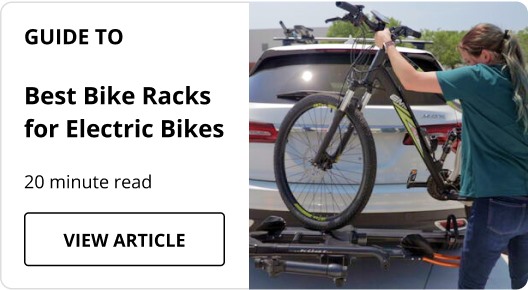
E-bikes are heavier than standard bikes, so choose a rack with enough per-bike weight capacity for your bikes. Hitch-mounted platform racks are often a good choice because they're easier to load, and some include ramps to help roll heavier bikes into place. Always check both the rack capacity and your hitch capacity before loading.
Can I use the same bike rack on my car and RV?
Sometimes, but only if the bike rack is rated for use on your specific type of RV. RVs can put different forces on a bike rack than a passenger vehicle, so a rack that works on your car may not be approved for RV use. Check the rack’s vehicle compatibility and RV rating before using it on both setups.
What's the difference between a platform and hanging bike rack?
Platform bike racks support bikes by their wheels and are generally easier to load, especially for heavier bikes. Hanging racks support bikes by the frame and can be a lighter, more compact option for carrying multiple bikes. Your bike weight, frame style, and how often you load your bikes can help determine which style works best.
Need Help Choosing?
Tell us what you're driving, what bikes you're carrying, and how many you need to bring. Call, chat, or send us a message, and we'll help you find a bike rack that fits your vehicle, your bikes, and the way you travel.