Good lighting and dependable wiring keep your trailer visible and connected every time you tow. Not sure where to start? Choose whether you’re replacing lights, wiring your trailer, or connecting your vehicle below.
Trailer wiring and lighting need to hold up to vibration, weather, and regular use. Most problems we see come down to grounding issues, loose connections, or wires getting damaged over time. A clean setup with secure connections makes your lights more reliable and a lot easier to troubleshoot if something stops working.Starting with the right connector and wiring setup, whether it’s a basic 4-way or a full 7-way, helps avoid problems later and keeps everything working the way it should.
What types of trailer lights do I need?
Most trailers require tail lights, clearance lights, and license plate lights to stay visible and legal. Depending on your setup, you may also need reflectors or interior and utility lights. For more information on lighting requirements, visit our FAQ.
How do I choose the right wiring harness?
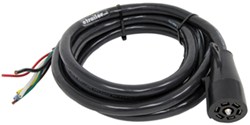
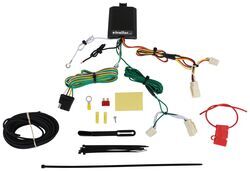
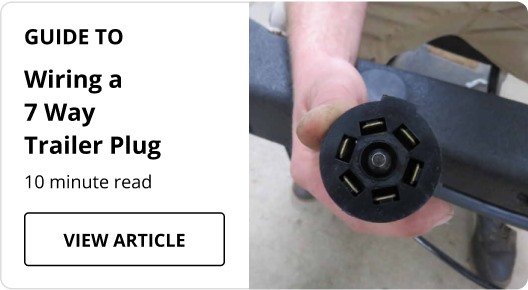
It depends on your trailer and your vehicle connection. A 4-way harness covers basic lighting functions, while a 7-way adds support for electric brakes, reverse lights, and auxiliary power.
How do I install a 4-way trailer wiring harness?
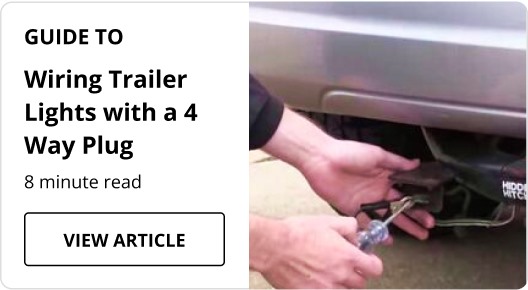
Start by grounding the harness to a clean metal surface on your trailer frame. Then route the wires along the frame, keeping them away from moving parts, and connect them to your trailer lights. Secure all connections with proper connectors and test the system before finalizing the installation.
Can I have my trailer wiring or lights professionally installed?
Installing trailer lighting and wiring might seem simple, but it can get tricky when you’re dealing with multiple light types, adapters, or converting from a 4-way to a 7-way setup. If you'd prefer to have a pro handle the wiring, splicing, or testing, use our Local Installer Locator Tool to find a qualified technician near you.
My trailer lights aren’t working. What should I check?
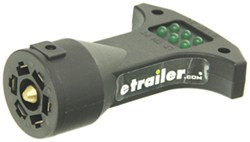
Start with the ground connection. It’s the most common issue. Then check for damaged wires, loose connections, or blown bulbs. A circuit tester can help you pinpoint the problem quickly.
Can I switch from a 4-way to a 7-way connector?
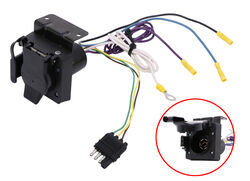
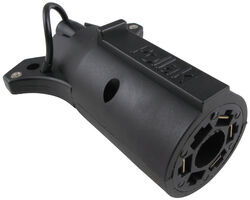
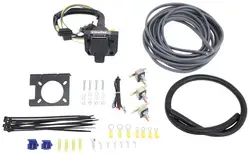
Yes. A conversion kit lets you expand your setup to support electric brakes and additional functions. These kits plug into your existing 4-way and add the necessary wiring for a 7-way connection.
What is a junction box and how do I use one?
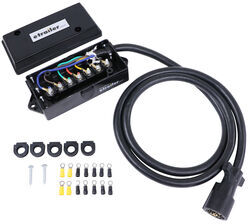
A junction box organizes and protects your wiring connections. It keeps everything contained, makes troubleshooting easier, and is especially useful for trailers with multiple lighting functions.
Need Help Choosing?
If you’re not sure what wiring or lighting setup fits your trailer, you can talk to someone here who’s worked with these systems and can help you figure out what you need before you buy.