Does Fusion LED Trailer Tail Light Need a Separate Brake Light and Turn Light Wire?
Updated 04/01/2026 | Published 03/28/2026
Products Featured in This Question
Question:
Does this light need a separate brake light wire and a turn light wire? Im trying to place these on a flat bed utility trailer that has a 7 wire hook up.
asked by: Chad J
Expert Reply:
Great question Chad, and I’m glad you’re checking before wiring everything up so it works correctly the first time and you don’t run into any issues on the road.
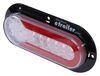
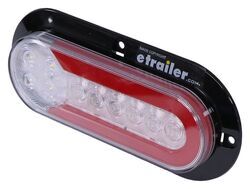
For the Fusion LED tail light part # OPT37FR, it uses a standard combined stop and turn signal setup, so you do not need separate brake and turn wires. Both functions run through the same circuit, which is how most trailers, including flatbed utility trailers, are wired. Your 7-way setup should already support that, so this light is designed to tie in without needing anything special.
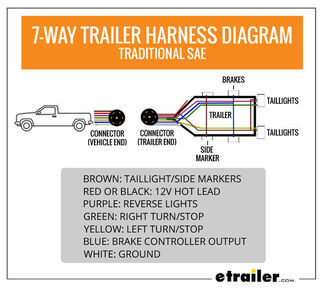
Since wiring can vary a bit depending on how the trailer was originally set up, I do recommend quickly verifying your 7-way wiring before connecting. You’ll want to confirm your left and right stop and turn circuits, tail lights, ground, and backup wire if you plan to use that function, just to avoid any crossed signals or dim lighting issues.
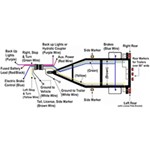
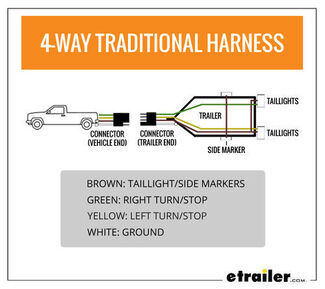
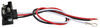
Looking at the plugs on the light, those are standard 3-pin style connectors meant to simplify installation. The wires typically break down as white for ground, brown for tail or running lights, and red or black for stop and turn. If your light includes a fourth wire, that would be for the backup function.
On a flatbed trailer like yours, the most common and reliable method is to cut the plugs off and hardwire the lights using heat shrink or sealed butt connectors. That gives you a solid connection that holds up well over time. If you prefer to keep the plugs for easier replacement later, you can use matching pigtail adapters part # A47PB but that’s optional.
What do you use your flatbed to haul?


Product Page this Question was Asked From
Fusion LED Trailer Tail Light - Stop, Tail, Turn, Backup - Submersible - Red and Clear Lens

- Trailer Lights
- Tail Lights
- Brake/Tail/Turn/Backup
- Oval
- Surface Mount
- Submersible Lights
- LED Light
- 7-1/2L x 3-1/4W Inch
- Red
- White
- Optronics
more information >

Continue Researching
- Shop: Fusion LED Trailer Tail Light - Stop, Tail, Turn, Backup - Submersible - Oval - Red/Clear Lens
- Shop: Fusion LED Trailer Tail Light - Stop, Tail, Turn, Backup - Submersible - Oval - Red/Clear Lens
- Shop: Fusion LED Trailer Tail Light - Stop, Tail, Turn, Backup - Submersible - Red and Clear Lens
- Shop: PVC Grommet for 6-1/2" Oval Trailer Tail Lights
- Shop: Right Angle 3-Wire Pigtail for Optronics Trailer Lights - 3-Prong PL-3 Plug - 10" Lead
- Shop: GloLight LED Trailer Tail Light - Stop, Tail, Turn, Backup - Submersible - 22 Diodes - Clear Lens
- Video: Review of Dexter Steel Light Box Guard 6 Inch Oval 2 Inch Round Light - DX99VC
- Shop: Dexter Light Box Guard for 6" Oval and 2" Round Lights - Steel - Weld or Bolt On
- Video: Breaking Down the Fusion LED Trailer Tail Light
- Video: Comprehensive Review: Fusion LED Trailer Tail Light
- Video: Checking Out the PVC Grommet for 6-1/2" Oval Trailer Tail Lights
- Q&A: What is the Difference Between the Fusion LED Trailer Light STL211RB and the Optronics STL211XRB?
- Q&A: Wiring Scheme for Optronics Stop-Tail-Turn-Backup Trailer Tail Light # STL211RB
- Video: In-Depth Review of the Buyers Products Tail Light Mounting Box
- Video: Detailed Breakdown of the Stainless Steel Trim Ring for Optronics Trailer Tail Lights
- Video: Optronics LED Trailer Lights | Straight from the Manufacturer
- Q&A: How Many Lights Are Included with Optronics Fusion LED Trailer Tail Light # STL211XRFHB
- Article: Trailer Wiring Diagrams
- Search Results: trailer hitch
- Q&A: Lug Nut Torque Chart for Trailer Wheels
- Shop: Trailer Hitch
- Search Results: trailer tires and wheels
- Q&A: What is the Difference Between a Class II and a Class III Hitch?
- Shop: Trailer Wiring
- Article: Brake Controller 7- and 4-Way Installation Kit (ETBC7)
- Shop: Suspension Enhancement
- Q&A: What is the Difference Between a 4-Way and 7-Way Trailer Connector
- Search Results: trailer wiring
- Article: Wiring Trailer Lights with a 7-Way Plug (It's Easier Than You Think)
- Shop: Brake Controller

on Trailer Lights