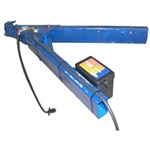
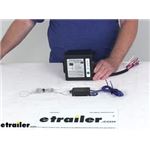
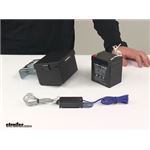
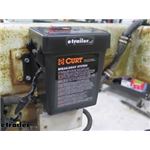
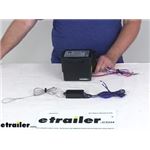
Keep your trailer's emergency braking ready with a breakaway kit for electric brakes, including setups using an electric-over-hydraulic actuator. Match the battery and charger to your needs—options include 5Ah batteries that have powered EOH systems—and choose hardware suited to single- or tandem-axle trailers for the right fit.
Yes, kits are offered for single or tandem axle trailers. Pick a kit with a battery and charger sized for your brake setup. If you're adding more brakes than before, verify the kit's capacity and switch placement so the lanyard reaches cleanly to your tow vehicle.
Yes, you can add a solar battery charger to keep the breakaway battery topped off. Many kits include a trickle charger that works only when plugged into the vehicle, so solar helps when parked. Match the solar charger to the battery type and mount it near the box.
If your kit has a push-to-test display, the green light labeled fully charged lights up when the battery is topped off. Make sure your trailer is connected to the tow vehicle so the charger can work. If the indicator doesn't match what you expect, recheck grounds and connections.
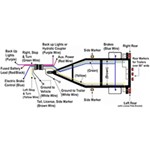
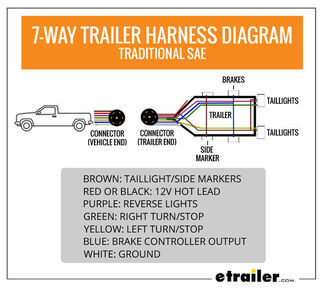
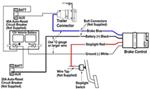
If the cover won't open, the hinge may not be fully seated—pop the hinge back onto the posts and try again. For wiring, verify the diagram with the correct manual for your specific battery and switch; we've seen diagrams that didn't match the components. Take a moment to cross-check before crimping.
Yes, a 5Ah breakaway battery can provide enough power to actuate an electric-over-hydraulic system. Confirm your actuator's draw and match it to the battery capacity you choose. If you upgraded brakes or added axles, double-check overall system needs before finalizing the kit.


 Trailer Breakaway Kit Parts or Accessories
 Filters