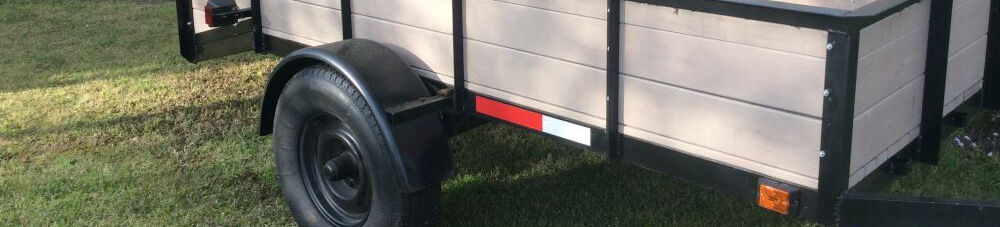
Owning a utility trailer means keeping it safe, functional, and ready whenever you need it. From regular maintenance to small upgrades that make hauling easier, the right parts help your trailer work the way it should. Whether you use your trailer for jobs, projects, or weekend hauling, think about how often you tow and what you carry most. Choosing parts that support safety, reliability, and everyday use keeps your trailer dependable and easier to manage mile after mile.
Let etrailer Help You Get the Most Out of Your Utility Trailer
For more than 75 years, we’ve helped people keep their utility trailers ready for work, travel, and everyday hauling. We test the parts we carry and show you exactly how they install, so you know what will hold up under the loads you move most. From brakes and hubs to jacks, wiring, and tie-downs, you’ll find dependable gear built for repeat use and real conditions. Count on etrailer to keep your trailer steady, safe, and ready for the next job.
How can I make my utility trailer more functional?
Better lighting, like LED tail lights, makes a big difference for visibility and safety. Adding brakes—electric or hydraulic—is great for controlling heavy loads. For equipment, tie-downs like D-ring anchors or an E-track system are super helpful. And don’t forget storage—mounting a toolbox or a spare tire carrier keeps your gear organized and easy to grab.
What maintenance should I do to keep my trailer in good shape?
Regular checks are the way to go! Make sure all your lights are working and replace any burnt-out bulbs. Inspect the brakes and hubs for wear, and don’t skip lubricating the moving parts. Tires are a big one too—look for wear, check for damage, and always keep them properly inflated. Lastly, check all the bolts and screws to make sure everything is tight and secure.
How do I make my utility trailer safer?
Start with lighting—bright LED lights and reflectors make sure your trailer is visible to other drivers, even in bad weather or at night. Use proper tie-downs to keep your gear secure so it doesn’t shift while you’re driving. And, of course, keep your brakes in good working condition. These simple steps can make a huge difference in safety.
How often should I repack the wheel bearings on my trailer?
About once a year or every 12,000 miles, whichever comes first. It’s one of those things you don’t want to skip—keeping them greased up prevents wear and possible failure while you’re towing.
If you’re unsure where to start, check out our FAQ on Replacing Bearings, Races, and Seals on a Trailer Hub.
How can I make loading and unloading my utility trailer easier?
Adding a trailer winch can help pull heavier items onto the trailer with minimal effort. Folding or removable ramps are also a great addition, making it easier to load equipment or vehicles.