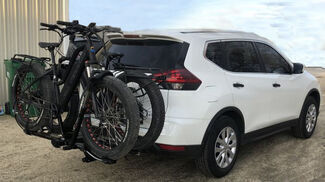
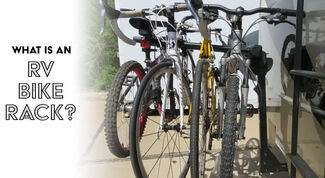
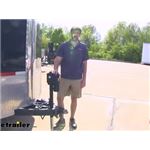
Heading to camp, you'll want a rack that can handle a travel trailer's extra movement. Pick RV-rated options that secure to a rear hitch or sit above propane tank covers to clear front gear, and expect straightforward installation with steady support in transit. If your trailer doesn't have a hitch, adding an RV hitch opens up more rack choices.
Use a dry silicone spray or a dry PTFE spray on moving joints. Avoid grease or standard oil since they attract dirt and can make things worse. Wipe off dust first, spray the pivot points, cycle the arms to work in the lubricant, and wipe away excess.
They can carry an e-bike when rated appropriately. Check the rack's per-bike weight capacity and confirm it's approved for travel trailer use. Loading height can be a factor—taller users reported little trouble, while shorter users may need assistance. Choosing a position that reduces lift height can make loading easier.
Use a rack that is rated for a travel trailer. There's more movement at the back of a trailer, which increases stress on a hitch-mounted rack, so many standard racks aren't tested for that use. If you already have a rack, verify it's tested for towed vehicles. If not, choose one designed for trailer use or store the bikes inside the trailer while traveling.
Installation is often straightforward. Some setups may require drilling; a sharp 3/8 metal drill bit was needed in one install. Plan extra time to arrange the bikes for safe transport and easier loading, and consider using additional bungees or ties to secure them. If telescoping tubes don't slide to the minimum insertion mark, clean out any debris or coating inside the tubes.
Yes, some racks are designed to fit above propane tank covers. Check for obstacles like side shelves or handles near the frame that could block mounting the rear support; those may need to be removed. Also verify you can still access or remove the propane tank without dismantling the rack on your setup.


 Filters