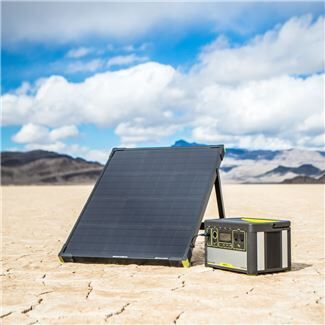
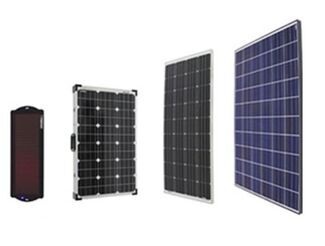
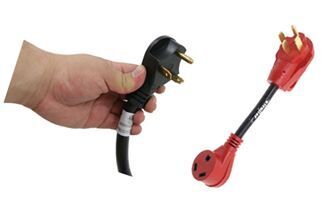
In the 1 - 50 Watts range, portable solar panels are a smart pick for maintaining batteries and topping off small devices. A 10 Watt panel can maintain a single 100 amp hour battery in storage, and 40 Watt options help keep a 12V AGM battery topped off. If you need to run small loads, step up to higher wattage; for RVs, check for an SAE plug, and panels with a controller can stay connected while the alternator is charging.
Yes—5 Watt panels can keep a phone or small device charged on light adventures, while 10 Watts provides faster charging in bright sun. Look for a built-in battery so you can store power on the move. Helpful touches include a sundial for alignment, indicator lights for sunlight and battery level, a folding, lightweight design, and USB-A output with Micro-USB input. IPX4 ratings handle light rain or splashes.
Panels with an IPX4 rating can handle light rain or splashes. Check for rubber covers over USB ports to help protect connections. If conditions worsen, reposition or stow the panel and use the panel's built-in battery or another charged source to keep devices going until you can set up in better weather.
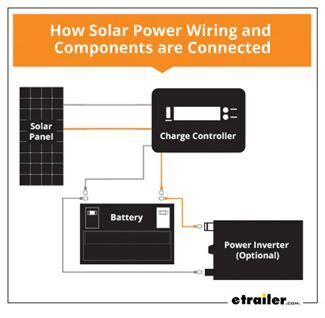
No, you don't need extra diodes when the panel includes a controller; the controller has a diode system built in. It can also stay connected when the vehicle is running and the alternator is charging. Double-check that your controller is included and wired per its instructions before leaving it connected full time.
For simple maintenance with no power draw, 10 Watts can be sufficient for a single approximately 100 amp hour battery in storage. If you have a larger battery bank, multiple batteries, or inconsistent sun, consider 40 Watts. If you plan to run small loads, you'll need something larger than this range. Many RVs use an SAE plug at the front—verify your connector type matches your panel setup.


 Filters