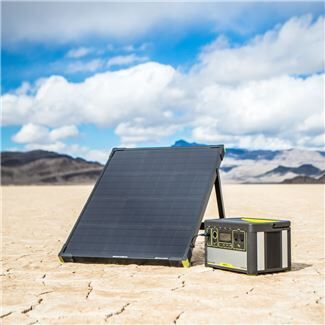
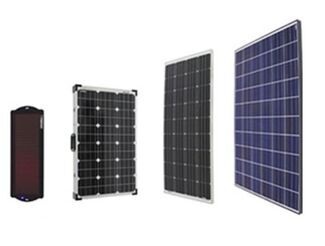
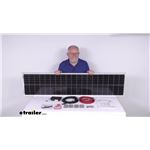
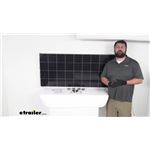
Pack reliable, ground-ready power with portable solar panels in the 101 - 200 watts range. This covers the common 200 watt setup for charging RV batteries and lets you connect using SAE or MC4, depending on your rig. Decide if you want a built-in charge controller or a separate one to protect your battery and match your trailer's solar port.
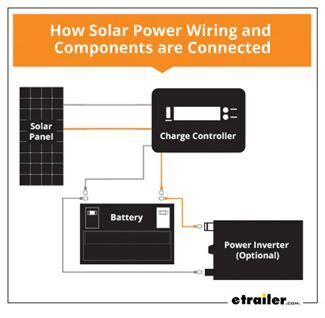
Yes, a charge controller is important to protect your battery from overcharge. If your RV's port goes straight to the battery, choose a panel with a built-in controller for simple plug-in use or install a controller between the panel and battery. Size the controller for your panel array. As a quick check, panel output can be around 19 volts, which shows why regulation is needed.
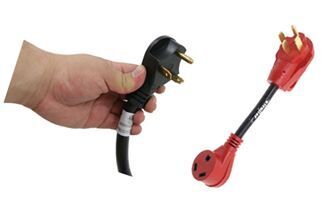
Match the connector type first. Many RV setups use SAE or MC4; some power stations use proprietary plugs made only for their systems. If you plan to expand beyond one panel, consider connectors that make adding panels easier. For multiple panels, choose a controller that can handle the combined current and confirm wiring method before plugging in.
Yes, 101 - 200 Watts is a solid starting range for charging RV batteries and running small loads. It's commonly used for lights, fans, pumps, and device charging. For heavier use like a refrigerator and TV, plan your battery bank size and consider adding more panels. If any items are 120V, add an inverter. Verify your daily amp-hour needs to match panel output.
Yes, if the panel or cable set matches your RV's SAE input. Check the plug style on your camper and whether polarity matches. If your solar port is wired directly to the battery, use a panel with a built-in charge controller or add one in-line. If your panel uses MC4 or Anderson, use the appropriate adapter or a different quick-connect setup.


 Filters