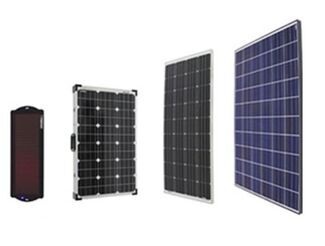
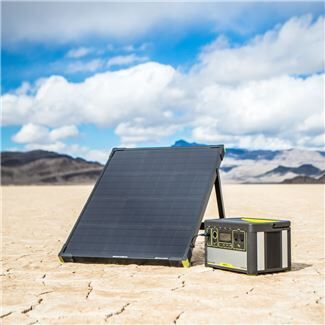
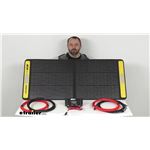
Pack light and keep power handy with a portable solar panel. Choose a compact 5-watt style with USB-A or Micro-USB—sometimes with a built-in battery and IPX4 protection—for phones, or step up to 100 watt, 200 watt, or 300 watt panels to charge RV house batteries while boondocking. For campers with an SAE port or MC4 connectors, use a charge controller to protect the battery and match your connection.
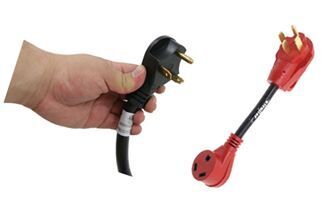
Yes, many portable panels connect to an SAE input for simple plug-in use. Confirm the style of plug on your camper and match the connector. If the port is wired directly to the battery, use a panel with a built-in charge controller or add one between the panel and battery.
Some portable panels include USB-A output and can charge phones and small devices, and some only charge their paired power pack. Check the outputs listed: USB-A and Micro-USB are common on compact panels. Look for IPX4 or rubber-covered ports if you expect light rain or splashes.
Angle the panel toward the sun and re-aim it as the sun moves to improve output. A kickstand with adjustable angles and a sundial or sunlight indicator can help you fine-tune the tilt. Watch for panel weight if you plan to reposition it often, and use indicators to track power and battery level.
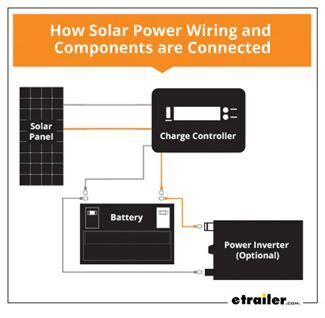
A 100-watt portable panel is a solid starting point for keeping lights, a fan, a water pump, and phones going on weekend trips. A 200 watt panel is a common step up, and several panels can be connected to build out a larger setup. Add a solar charge controller to protect your battery from overcharging. If you need 120V for a TV or appliances, include an inverter.
Yes, a portable solar setup can work with a 3-battery bank and isolator. Use a charge controller sized for your panel output and battery bank, and plan on thicker gauge wire for higher wattage. Verify all connections and routing before finalizing your install.


 Filters