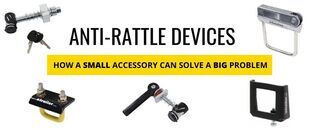
Climb into your truck bed, camper, or boat with a steady foothold that feels solid. The 17 inch wide step gives you and even a big dog more room and confidence, and an anti-rattle clip can help take out play at the hitch. If you're adapting hitch size with sleeves, avoid extensions since they lower tongue weight capacity.
Yes, with checks. A reducer sleeve that fits fully inside the hitch works fine, though it can add a bit more play. Hitch extensions lower tongue weight capacity and can push safety chain connections farther back, so verify weights and chain length. If adapting from a larger receiver, use a reducer rather than an extension when possible.
Follow the product's instructions. Some fold-out styles are meant to be removed or stowed before driving. Make sure pins and clips are secured and nothing interferes with your spare tire or sensors. If you add an extension, confirm it doesn't affect trailer chain connections or departure angle.
Add an anti-rattle clip or a hitch stabilizer to help get the wiggle out. Tighten everything as instructed and recheck after your first few uses. If a reducer sleeve is used, expect a bit more play and plan for a stabilizer. If you notice movement with an extension, a stabilizer can help, but still follow the weight and use limits.
Yes, the wider platform makes stepping feel more like regular stairs. It helps getting into truck campers, reaching into SUV cargo areas, and stepping off a boat. If you're helping a large dog, the added width can make the climb less intimidating. Confirm your receiver size matches, and consider an anti-rattle or stabilizer to firm things up.
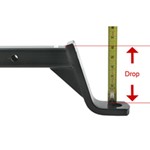
Often, yes, but measure first. Check the step's height above the receiver opening and how far it sits from the bumper to be sure it clears your tailgate. It's handy for flatbeds and boat access. Avoid welding the hitch step shank to a trailer frame; that custom approach isn't what these are designed for.


 Filters
 Hitch Step Parts or Accessories