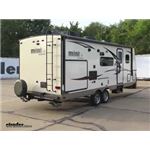
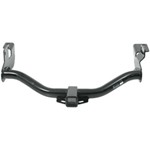
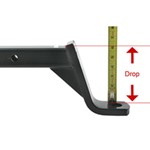
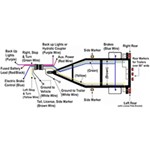
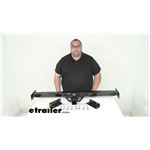
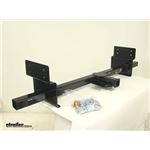
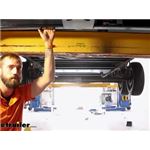
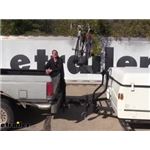
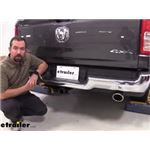
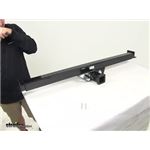
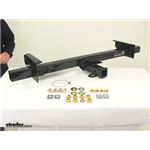
Add real utility to your rig. RV and Camper Hitch options that frame mount let you bolt or weld directly to the trailer's frame for solid support, whether you're running a bike rack, cargo basket, or towing a small trailer. Measure your frame width and check for obstructions like tanks or jacks; adjustable designs can slip between rails, but some installs need drilling, trimming, or relocation.
Choose weld-on for heavier towing needs and when you want to avoid drilling into the frame. Bolt-on is great for a do-it-yourself install but plan on drilling and aligning holes. Verify your frame's capacity and if it's already prepped with welded brackets. If heavy accessories or trailers are planned, consider a professional weld for added reinforcement.
Yes, a frame mount hitch is a solid choice for bikes or a cargo basket. Use a rack or carrier that is RV rated and confirm the hitch's tongue weight rating covers your total load. An anti-wobble device and tight hardware help reduce movement. If mounting near a bumper, check clearance and whether a small bumper notch is needed for the receiver to pass through.
It depends. Some hitches intended for RVs prepped with welded frame brackets may not include hardware. More universal, adjustable options typically include installation hardware. Check the product details and your frame: if brackets are already welded on, you may reuse or source hardware; if not, confirm hardware and bracket style before starting.
Expect test fits and drilling; a second set of hands helps. Use a template to mark holes, quality bits with oil, and threadlocker on bolts. You may need to trim the cross tube ends, notch the bumper for receiver clearance, or relocate rear stabilizer jacks. Check underbelly panels, cross members, or tank brackets that could be in the way. Mounting orientation can help ground clearance.


 Filters