Find the right hitch for your vehicle and everything you need to complete your towing setup. Shop receiver, 5th wheel, gooseneck, weight distribution, front, and RV hitches, plus ball mounts, wiring, hitch balls, and more.
Choosing a trailer hitch starts with finding one that fits your vehicle, then making sure its receiver size and capacity work for what you want to tow or carry. At etrailer, we install and test trailer hitches, wiring, ball mounts, and towing equipment on real vehicles so you can see how they fit, how they install, and what to expect before you buy.With over 75 years of helping neighbors, 35,000+ installations completed, and more than 1 million photos and videos, we've worked with trailer hitches and towing setups firsthand and can help you find the right setup for your vehicle.
What's the difference between a trailer hitch and a receiver hitch?
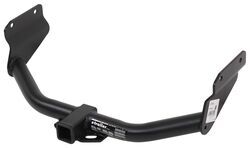
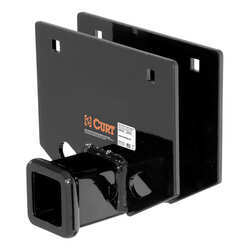
The terms are often used interchangeably. A receiver hitch mounts to your vehicle and has a receiver opening for a ball mount or compatible hitch-mounted accessory such as a bike rack or cargo carrier. Receiver hitches are one of the most common types of trailer hitches.
Can I put a trailer hitch on a car, truck, or SUV?
Yes, if a compatible hitch is available for your vehicle. Cars, trucks, SUVs, and vans can use receiver hitches for towing within the vehicle's limits or for carrying compatible hitch-mounted gear. Start with your year, make, and model to see which hitches fit.
What size receiver hitch do I need?
Trailer hitches come in different classes, receiver sizes, and capacities. Common receiver sizes include 1-1/4", 2", 2-1/2", and 3". Start with the hitches that fit your vehicle, then compare hitch class, receiver size, and capacity based on what you plan to tow or carry.
What do I need with a trailer hitch to tow a trailer?
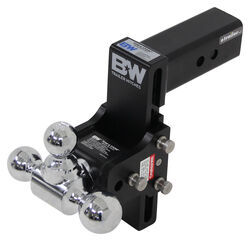
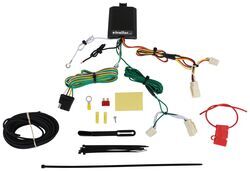
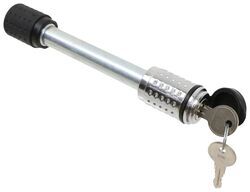
A typical bumper-pull towing setup may also need a ball mount, hitch ball, hitch pin or lock, and trailer wiring. The exact parts depend on your vehicle, trailer, coupler height, and towing setup.
Are there hitches that don’t stick out when I’m not towing?
Some hitches, like the EcoHitch Hidden Trailer Hitch Receiver, are designed with concealed cross tubes, so all you see is the receiver. It keeps your vehicle looking sleek when you’re not towing.
Can I install a receiver hitch myself?
Many custom-fit receiver hitches are designed for bolt-on installation, but installation difficulty varies by vehicle. Check the installation instructions and videos for your hitch before getting started. If you'd rather have it installed, use our Local Installer Locator Tool to find installation help near you.
Not Sure Where to Start?
Tell us what you're driving and what you want to tow or carry. Call, chat, or send us a message, and we'll help you find a trailer hitch and the parts you need for your setup.