Redline RV vents and fans make it easy to move fresh air through a trailer or cab. Metal pop-up options can face forward to bring air in for positive flow or vent out heat and fumes, and installation is straightforward on solid mounting surfaces. Pick aluminum to avoid rust or choose steel, and keep material strength in mind if you plan to drive with a vent open.
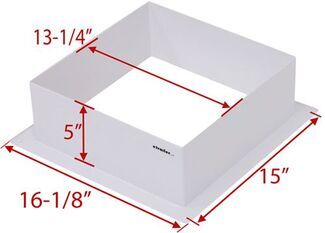
Check your wall spacing against the vent's depth so the two pieces can compress and seal. If the walls aren't close enough, a deeper vent may be needed. Where insects are a concern, use a tighter screen to help prevent wasps and mud daubers. If interior access is limited, plan the orientation before fastening so you can set the opening you want.
They can be stiff at first and tend to get easier as they break in. There isn't a handle attachment offered for these, but adding a simple pull point can make opening and closing easier. Open and close a few times after install to loosen the mechanism, and avoid forcing it to prevent bushing damage.
Yes, Redline pop-up vents can be run open to blow air in while driving. There isn't a published speed rating, so check your mounting surface. A steel structure helps keep the vent secure; thin fiberglass shells may not be sturdy enough to hold a vent open at speed. If you're unsure, test gradually and confirm the panel is reinforced.
A Redline 2-way pop-up vent can create positive air flow at slow speeds and help keep most of the dust out. Expect reduced effectiveness with a strong tail-wind or on a dusty road at 50 mph. For installation, make a template before cutting; using a gasket as a template helps. Avoid taking the vent apart—parts can be damaged and it can pinch fingers.
Choose aluminum if you want a vent that does not rust. Both steel and aluminum Redline metal vents hold up longer than plastic. Match the material to your trailer's structure and your environment. If you're mounting on a robust frame, either works well; in corrosive conditions, aluminum is the safer bet.


 RV Vents and Fans Parts or Accessories
 Filters