









Frank Z.
7/18/2025
I have a 7000 Pound cargo tandem axle trailer with brakes. towing with a f150 with trailer brake controller and electronic sway control. Hitch is rated 500 lb without WDH 1150 with, GCWV is 13500lbs, curb weight of veheicle is 6060 lbs full tank and me in it. i am afraid the WDH will put to much stress on the trailers frame where it attaches. I have seen online where the WDH causes the frame to break, voiding my trailers warranty ?


Jerred H.
7/18/2025
Frank Z.
7/18/2025

Esc
7/7/2025
I plan to tow a Travel Trailer, GVWR 5,500#, with a 2015 Nissan Frontier, SV, and WD hitch. I do not fill fresh water tank, carry empty gray and black tank or carry a lot of extra weight. It's just my wife and me. What is your thoughts?

Jameson C.
7/7/2025
Esc
7/8/2025
Jameson C.
7/8/2025


Dmg
6/2/2025
I have a mid-size SUV rated to tow 5000# with a 500# tongue max. I am considering buying a trailer that weighs 3981# dry with a 467# hitch weight. Can you help narrow down my choices for WDH? Thank you!

Robin H.
6/3/2025
Mike
5/7/2025
Have a travel trailer with a weight distribution hitch but despite being well below the vehicles tow rating I'm still getting squat in the rear end. The current system has the labels peeled off but looks like the Curt Tru Track. Is it possible someone used to small of a WDH? Which hitch do you recommend for the below weights? Trailer GVWR 3900lbs Hitch weight 410lbs
Jerred H.
5/14/2025

Alex
11/23/2024
Have a quick question We bought a trailer with weight distribution and sway bars .. So the sway bars and weight distribution were already on a certain distance from the hitch of the car. Does anyone knows if I can move those sway bars and weight distributor bar to sorter or linger distance from where original are now. ? Like 5 inch closer or further? Thanks

Jon G.
11/23/2024
Emit J.
10/22/2024
I have a 7800 pound 31 ft travel trailer I use a WD hitch when towing with my regular truck 5800 vehicle weight 17,100gvwr. I plan to start towing it with my larger truck 14,000 vehicle weight 33,000 gvwr will I still need to use a WD hitch?

Jesse M.
10/23/2024
Dan P.
6/19/2024
Do I Need to re-adjust my hitch with everything loaded, both truck and RV? Since the dealer did everything empty. I purchased a 2022 brand new Venture Sonic 231vrl in April this year. RV is 26’-11” long, 4520 dry weight with max cargo carry capacity 1,340lbs and 540lbs dry tongue weight. My truck is a ram 2020 1500 crew cab half ton with 5.7 hemi. The dealer adjusted my hitch and weight distribution system which has chains for adjustments. They did everything with the RV empty and my truck empty, as in nothing loaded. Drove home 15 minute drive and all was fine. Took first trip 2 hour drive which was on a main thruway and it was like a white knuckle drive. So bad swaying and especially when tractor trailers went by or big rigs. My truck is 5,134lbs dry, door sticker says has cargo max weight 1830lbs, GVWR 7100lbs. Ram website says my trucks max towing is GCWR 13,900lbs based on my model and options. Plus I have Michelin defender LTX lt275/65r18 load range E. I believe I’m all within weight. Headed to CAT scales loaded next Monday next week. Any advice greatly appreciated.

Kevin C.
6/19/2024
Dan P.
6/19/2024
Kevin C.
6/20/2024
Dan P.
6/20/2024
Kevin C.
6/20/2024
Dan P.
6/20/2024
Kevin C.
6/20/2024
Dan P.
6/20/2024
Kris
6/19/2024
Thank you for responding earlier. I understand a WDH helps prevent damage to towing vehicle, but can it harm the trailer? So much info is being put out that they harm your trailer….which I do not understand their logic. I think they are internet warriors with no real knowledge.
Robin H.
6/19/2024
Kris
6/18/2024
Had a Wolf Pup 16FQ and pulled with Silverado 1500 using Blue Ox WDH. Up graded to Silverado 2500 and spouse keeps saying we no longer need WDH …….has been reading on line and you-tube. Everything I have ever seen, WDH recommended, esp if we get a larger trailer. Is there really ever a time that WDH not recommended in above scenario? I have never seen anyone pull with out WDH whether their truck was 1500 or 2500. (Esp any thing over 26 ft.)
Robin H.
6/18/2024
David C.
6/15/2024
I have a 3700 GVWR single axle travel trailer at the moment, a Lance 1475. I purchased it second hand and the previous owner was using a Fastway e2 hitch with a 6000/600 rating. I was towing this trailer with a 2021 Silverado 1500 and usually used the weight distribution hitch for highway-speed trips since I had it. I've since traded into a Ford F250 in preparation for a small 5th wheel purchase, but will still tow the Lance in the meantime. At the very least I'll need a 2.5" to 2" shank adapter for my current setup. The more that I read and YouTube binge on facts surrounding weight distribution hitches I'm thinking that it really wouldn't be necessary with the F250, and more so may actually be counter intuitive given that the nature of the way this hitch works, it's exerting pressure on the rather thin frame of the trailer. Given that I often tow off road or on dirt/gravel roads with the Lance, I'm inclined to forgo the weight distribution setup (obviously ensuring that the trailer is properly loaded) and just use a good quality traditional drop hitch. Any thoughts or insight you could provide would be greatly appreciated. Thanks very much!
Kevin C.
6/17/2024
Jon
2/29/2024
Towing question to I have a 2010 Audi Q5 3.2L. Towing capacity is 4410lbs with hitch weight max 441lbs (per manual). I’m looking at two small trailers: Airstream Nest (“Base weight” 3400lbs, hitch weight 375lbs ( both include batteries & propane” GVWR 4000lbs… all within limits). But, I prefer the Bambi 16RB (“Base weight” 3050lbs, hitch weight 450lbs, GVWR 3500lbs). Given the Bambi 16RB is well under towing limit but over hitch limit, would a weight distribution hitch allow me to tow it? I’ve looked on my door pillars and in the manual and I don’t see any references to capacity with one. Thoughts?

Mike L.
3/1/2024
Audi W.
7/4/2024
Curt
9/13/2023
I inherited a 2001 Dodge Dakota SLT 4.7L V8 with a 3.55:1 axle ratio. Google gives me between 6,200-6,700lbs towing capacity. I noticed the factory receiver on the truck is a 2" receiver with a 7pin harness and the sticker says up to 350/3,500lbs tongue/trailer on weight carrying hitch, but 750/6,500lbs tongue/trailer with a weight distribution hitch. (Is this a class II or class III?) The ball hitch in the receiver is a u-haul branded one rated up to 750/7,500lbs tongue/trailer on the sticker (the ball itself is stamped with a "5,000"). From a mechanical standpoint, the receiver should technically take a 750/6,500lb tongue/trailer weight on the ball hitch without failing, correct? It's just about the safety factor of road stability/handling when all the weight is not more distributed with a weight distribution hitch? My father-in-law bought a ~4,000lb camper, which is only a bit over what the receiver claims for regular weight carrying, and he said we could borrow it.
Mike L.
9/14/2023
Joe
8/15/2023
I have a 2005 dodge durango 5.7, and im getting at 30ft 5200lb travel trailer. Any recommendations on kit?
Mike L.
8/16/2023
Helpful Links
Chris C.
7/18/2023
I have a 2016 ram 2500 with a max tow of 13000 the camper I want is 10000 should I get wdh bars or just bumper pull
Js
7/20/2023
Mike L.
8/2/2023
Erik J.
6/12/2023
I have a 2022 ram rebel and am pulling a 20’ landscape trailer(1500lbs) loaded with mowers (5000lbs). I am backing in and out of driveways constantly! What type of system would you suggest?

Heather A.
6/14/2023
Nate W.
6/1/2023
I have a 2010 Ford F150 XLT 2WD with a max gross trailer weight distributing of 10,500 lbs and weight carrying 5,000 pounds. I want to tow my wife's 2019 Kia Sportage on a trailer. Is this possible with a weight carrying device? Is it preferred if I use a weight distributing device? I want to minimize sway if it's a problem. I will also be using a uhaul vehicle trailer unless advised against it. My knowledge in this subject is lacking. I'm looking for advice. Thank you!
Mike L.
6/3/2023
Mike 6.
12/8/2023
Mike L.
12/8/2023
Dennis
5/26/2023
I have a walking beam suspension trailer. 4 hubs on both sides. The trailer is back heavy. It's sways almost out if control empty if I go around a corner at speed n hit a few bumps. Would a weight distribution hitch make this worse? Putting more weight on the rear end?
Mike L.
5/29/2023
Helpful Links
Ken G.
4/28/2023
I have a 2017 Ram 1500 Big Horn with a towing capacity of 8900 lbs. I am looking at a camper weighing approx 6000 lbs with a tongue weight of 682 lbs. which WDH would you recommend? Thank you..

Brandon W.
5/31/2023
Mike L.
5/31/2023
Helpful Links

Chris R.
6/2/2023
Ray D.
3/14/2023
Hi. I'll be using a 2023 Toyota Tundra hybrid to pull my 28' travel trailer (6000 lb dry weight; 7500 lb GVWR; 750 lb tongue weight) . The truck will be loaded with 300-400 lb of gear. Should I have the truck loaded with the gear when I set up my WDH (Blue Ox Track Pro) or should I not have any gear in the truck when setting up the WDH? Thanks.
Brandon W.
4/14/2023
Branodn
11/15/2022
I have an offroad trailer. The way the trailer is designed, all of the weight is on the trailer's axels. leaving the tongue weight minimal to nonexistent. The trailer is literally bouncing all over the road, completely not safe to drive. Will a weight distribution hitch fix this?

David B.
11/15/2022
Brandon W.
4/14/2023
Mike
10/30/2022
I have a 2023 Hyundai Santa Cruz Limited with towing capacity of 5,000 lbs. I want to pull an RPod with a dry weight of 3,000 lbs. Should I use a weight distribution hitch and if so which one do you recommend? Thanks
David B.
10/31/2022
Mlh
4/3/2023
Mlh
4/3/2023
Corey J.
9/19/2022
Hello, I have a 2023 Grand Design Transcend Xplor 247BH with a 6,995 lbs GVWR and a hitch weight of 546 lbs. Which system would be right for me? I plan on towing it with a 2016 Ford F150 with the 3.5L Ecoboost SuperCrew. It is well rated for it, but I worry mostly about sway.
David B.
9/19/2022
Stephane
9/13/2022
Hi, I'm using a WDH equalizer 600/6000 on my travel trailer rated for 5500 GVWR. I did some modification on the front of the trailer, added 2 30 pound propane, 2 6v Battery an a Bike rack. My tongue weight is at 820 pounds using the eTrailer weight tongue scale. The last 2 time time I went on a CAT Scale to weight my setup (the same week). I had 1000 pounds transfer to the truck with the WDH engae, and 800 pounds the second time, after a few ajustement. Is it normal to have more weight transfert to the truck than the actual tongue weight? Considering the number I have seen on the CAT scale, I was expecting aroud 1200 pound of tongue weight. Thanks
David B.
9/13/2022
Helpful Links
Daniel L.
8/25/2022
I have a 2018 Flagstaff micro lite 25brds that weighs 5170lbs. and a hitch weight of 694lbs. What weight dist. hitch do you recomend? I am towing with a 2014 Ram 1500.

Jim J.
7/12/2022
Can I use a weight distribution hitch with my 6 inch rise? I have a 2021 Hyundai palisade and I am pulling my 7 x 14 utility trailer.
David B.
7/13/2022
Tony P.
7/5/2022
I have a 21ft TT 4000 lbs and tow with a 2006 Dodge 2500 long bed 5.9 Cummins with air bags and am wondering if I can safely use an Eaz-Lift 48782 ReCurve R3 Weight Distribution Hitch 800 lb-1,000 lb. Maximum Tongue Weight Rating with an 18" extension so I can have the tailgate down when I haul my UTV. It is a 2" receiver. Any help and advice would be appreciated.
David B.
7/6/2022
Allen
7/5/2022
I am looking to purchase an anti-sway system for my 33' travel trailer. PIN Weight 832lbs gross trailer weight 10,400 but normal do not at full capacity. The vehicle pulling it is a 2021 F250 . What are your recommendations.
David B.
7/5/2022
Allen
7/6/2022
Allen
7/6/2022
David B.
7/6/2022
Dave O.
6/28/2022
Hi! New to trailering it did pull my feet behind several divergent RVs over the years . I’ve now switched to a trailer…Imagine 22 MLE, with a max weight of 6995#. The tow vehicle I’m getting is a 2020 F150 powerboost crew cab, 4x4, XLT with tow technology package, 3.73 diff, 7300# payload pkg. would like a weight dist setup that allows for backing, would prefer no chains, and a quieter setup if possible. Won’t be putting much in the bed other than golf clubs, a couple of cases of water. Will be just the wife and dog as well as myself traveling. What would you recommend for a newbie like me?
David B.
6/28/2022
Helpful Links
David B.
6/28/2022
David B.
6/23/2022
Helpful Links
Melissa L.
5/26/2022
Hoping to tow a riverside retro 165 2600lbs dry with my 2016 Chrysler town and country. Tow capacity 3600. I have a hitch rated 4000 /5000 with weight distribution. Driving from Ohio to San Francisco and Yosemite. I still need to add a transmission cooler and the brake controlling plug. Would it be a good idea to use a weight distribution system? Would a weight distribution system increase my vehicle tow capacity??
David B.
5/26/2022
Melissa L.
5/26/2022
David B.
5/27/2022
Allen S.
4/30/2022
I have a 2013 Lexus RX350, it has a 3500# hitch and the car has the same towing capacity. A couple times a year I tow a ton on my small utility trailer with this. No electric brake controller, yet. I'm buying a 2022 FOREST RIVER FLAGSTAFF 12RBST A frame. It has a dry weight of 2140#. Of course I'm having a brake controller installed with the 7 prong plug. My question is, do I need a WDH and with a sway control arm too? If so which system would you recommend? I live in WV, we of course have mountains, though they are steep sometimes not like the heights in the Rockies. My wife and I are retired and although we'll still do some travel using motels for long trips, we might decide to use this trailer for longer trips too. Instead of just to state parks in WV and the surrounding states. Thanks for your info and help, this is a awesome form.
David B.
5/2/2022
Allen S.
5/2/2022
David B.
5/2/2022
Cj
4/11/2022
Need recommendation due to getting different info from different sales people. Tow vehicle is 2021 Jeep Grand Cherokee L Overland. GVWR is 6700 lb (GAWR front 3200, back 3800) with a hitch weight of 620 (I believe. Took a bit to find this as it's not on any sticker in the doorwell). Looking at an RV with UVW=4695, GVWR=5750 and DRY hitch weight 690. We plan to get a WD system. Can we not pull this trailer due to the dry hitch weight is 690 and the Jeep has a 620 limit even though the gross weight is ok? If we can what system would you recommend?
David B.
4/14/2022
Nate B.
3/24/2022
I'm pulling a trailer at 1650 lbs dry with a TW of 245 lbs dry. Assuming another 300 pounds in the trailer 60/40 and another 300 pounds at or behind the rear axle in the back of SUV, what target weight distribution system should I be looking at? Vehicle is a 2013 Lexus GX460 with a 5000 lb class 3 hitch.

Les D.
3/25/2022
Nate A.
3/16/2022
I’ve got a question for the etrailer expert … I have a 2022 F150 Powerboost Hybrid. 7350 gross weight, payload 1740, tow capacity of 11,100 and gross combined of 16,800. 157 inch wheel base plus 61/2 foot bed. Am looking at an Airstream 25 Flying Cloud. 7000 gross, 5500 empty … towing at 6500 90% plus of the time. Tongue weight of 875. Estimated payload of people, stuff, dog is 650 pounds. Do I have enough truck? Am estimating that a WD hitch will transfer 300 pounds back to the trailer axles. Am I roughly correct? With numbers above, and adding approx 100 pounds for a WD hitch, I am using 1625 pounds of available 1740 payload. If the 300 pound transfer number is correct, does this reduce my “used” payload from 1625 to 1325? Thanks!
Les D.
3/16/2022
Nate A.
3/16/2022
Les D.
3/16/2022
Greg S.
3/9/2022
Hi, I am towing a 24 foot landscape trailer with two side by sides. Trailer weight is 3,000lbs and loaded with the machines will be about 6500. Even with a WDH, I'm still experiencing squat. I'm not sure what I am doing wrong.
Les D.
3/10/2022
Robert
3/9/2022
Hi, if I am looking at a trailer with a 600 lb hitch weight, does the entire 600 lb get subtracted from my payload capacity if I am using a weight distribution hitch like Equalizer? I've seen some say that with a weight distribution hitch, only a percentage of the hitch weight, like 80 or 90% should be counted toward the payload capacity. Thanks.
Les D.
3/10/2022
Robert
3/10/2022
Les D.
3/10/2022
Abel
2/24/2022
I have a 2022 Toyota Highlander pulling a Travel Trailer. The Rv dealer installed a weight distribution hitch and sway bars. However my SUV still has a squat…are there any adjustments I can make with the hitch to prevent squating?
Les D.
2/24/2022
Kenneth D.
2/21/2022
weight-distribution hitch seems complicated. We are looking at trailers that have Gross weights in the range of 6641# with listed hitch weight of 681#. I understand that the range of hitch weight is 9-15% for tandom axle campers, so the range is 597# to 996# for this trailer. How do we chose a weight distribution hitch? Make sure that is 1000# rated?
Les D.
2/21/2022
Rob
2/15/2022
I have a 26' enclosed snowmobile trailer with a straight tongue all the way to the enclosed trailer. There is no V as would be on a camper to mount the brackets to, only a straight tongue. Will the EZ2 hitch work on this application?
Les D.
2/16/2022
Sue C.
1/18/2022
I am looking to buy a trailer which is 2980 pounds. My Ford van is rated for 4500 pounds towing, but my hitch is only rated for 3500 pounds. It comes with a weight distribution hitch system. Would I need to weld that onto my vehicle, or is this something that would work with my existing set up? Would I need a special hitch designed to match my van?
Les D.
1/18/2022
Sue C.
1/18/2022
Les D.
1/19/2022
Sue C.
1/19/2022
Les D.
1/19/2022
Andy T.
1/15/2022
I have a 2018 4wd Yukon Xl Denali. I am looking at 2022 FOREST RIVER FLAGSTAFF SHAMROCK 233S trailer. I will be using a WHD hitch. I believe the max tongue weight is 500 lbs. and with a WHD hitch it's 840 lbs. The camper has a hitch weight of 650 lbs. The dry weight is 5110 lbs and payload capacity is 1550 lbs. Will my Denali pull this and what size WDH is best?
Les D.
1/17/2022
Helpful Links
Andy T.
1/17/2022
Les D.
1/17/2022
Ashley
1/11/2022
This thread and Q&A is very helpful - thanks! We have a Volvo xc60 with 3500 lb tow capacity and 350 tongue wt. We are looking at buying a jayco hybrid 3000 dry wt. Dealer has recommended a class III hitch and weight distribution hitch and said we will be fine. Volvo doesn’t seem to publish a GCWR # that would help us feel 100% comfortable. Any thoughts? Thx!
Les D.
1/11/2022
James H.
1/5/2022
How does the weight of the wdh get calculated in tongue weight? Does it get added to tow vehicle or trailer? I plan on going to Cat scales, in order to get all weights I will have to remove the wdh. Do I weight it with the truck or trailer? Thank you.
Les D.
1/5/2022
Art Z.
12/26/2021
I have a 2011 Cadillac escalade esv with a GVWR of 7400 lbs...the rear hitch says max 5000lbs trailer weight with 600lb tongue weight, and 10000lb max trailer weight with 1000 tongue weight with weight distribution bar...I'm interested in purchasing a 2020 passport by keystone 32ft...7720 unloaded and 9640 GVWR..I don't see putting more than 500lbs of cargo...I'm new to this so excuse my ignorance, but is this even possible or do I need a bigger truck...
Les D.
12/27/2021
Mark
11/3/2021
I have ordered a 2022 Airstream International 25' front bed. GVWR is 7300 with a 850lb hitch weight. I am driving a 2014 F150 with a 5.0 V8 (GVWR 7350, GCWR 15100, towing capacity of 9100 with a payload capacity of 1570). While the towing capacity seems to be fine I'm worried about payload capacity. I feel like no one is willing to help advise on if I'm ok. The Ford dealership seems to be worthless and the airstream dealer keeps telling me the only thing I need to worry about it my towing capacity. Just want to be safe. I believe I have a class V hitch. Will have to double check. Looking for some experienced advise.
Les D.
11/5/2021
Mark
11/5/2021
Les D.
11/8/2021
John W.
10/21/2021
Hello. I have a 2011 Chevy Suburban LTZ 1500 with air-ride. We purchased a 2018 Wildwood 27 REI which is currently set up in a park as a seasonal. Thoughts on what I would need to tow this camper? Is the Suburban Capable? Thanks!!
Les D.
10/27/2021
John W.
10/29/2021
Les D.
11/1/2021
Greg D.
10/5/2021
I have a Lumberjack Johanna camper trailer with a block tow fitting. Is the Weight Distribution Head Assembly compatible? Thanks
Les D.
10/14/2021
Jasmine
10/5/2021
Hi, I drive a 2020 GMC Sierra 1500 4x4 with trailer pkg. My 23' trailer is 3219 dry and can carry up to 1646 lbs.. The hitch weight is 465 lb. Would you recommend a WDH w/ anti sway? Thank you! I'm new to the RV world. My tow capacity is 9700 ish. Thanks!!
Les D.
10/14/2021
Zack
9/22/2021
I’m own a 2019 Jeep Cherokee Trailhawk that’s towing cap is 4500. I’m looking for a small toy hauler but with the limited selection under that weight I’ve only been left with a couple styles I don’t like or a jayco 161 that’s dry weight is 4400. I imagine having probably 150lbs of food and clothing, plus 50 of misc. stuff atleast. I’d be driving mainly only flat roads within an hour or two from where I live. Is this doable even though it will be over the max weight my Jeep can pull?
Les D.
10/14/2021
Jim W.
9/18/2021
I have a 2019 gmc 1500 sierra at4. I pull a 25 foot camper. I have a WD hitch and it rides pretty good , but truck still sags a bit. my question is, if I have extra spring added to rear of my pickup,will that stop the sag and level it out better? please reply, thanks
Les D.
10/15/2021
Ed C.
9/4/2021
I have 1500lb spring bars ( Blue Ox) can they be used with my new trailer which has 800lb tongue weight?

Victoria B.
9/7/2021
Phil A.
8/30/2021
I have a 2020 Nissan pathfinder platinum with a factory installed 2 in receiver. I am looking to purchase a new travel trailer 17 to 20 ft. would i need a sway bar for that vehicle front wheel drive. what would you recommend? thank you.
Victoria B.
9/7/2021
Helpful Links
Jeremy G.
8/18/2021
I had a 2021 Ram 1500 and I recently made the switch to a 2021 Ram 2500. The 1500 was set up for my camper with a Fastway E2 weight distribution hitch which has the 1/2” drop shank. The camper has a 600lb tounge weight and a GVWR OF 4500lbs. My question is what length drop shank would you recommend so I can level things out again? Thanks!
Victoria B.
8/24/2021
Helpful Links
Todd B.
8/16/2021
I have a Ford F-150 and A Nissan Armada that I would like to be able use both vehicles to tow my camper but I was told that I would need to purchase a different hitch for each vehicle is that true and if so why?
Victoria B.
8/18/2021
Helpful Links
Anthony
8/30/2021
Victoria B.
9/7/2021

Wc
8/14/2021
I have a 2016 Jeep Cherokee North, tows up to 4500 lbs. Cargo 900 lbs, which we would have in it, including gas and us. We plan on purchasing a 16' travel trailer (total length 20 ft bumper to hitch); approx 3600 lb grvw. (ccc740 lbs). Hitch Weight 335lbs. Not sure if this includes the battery & Propane weight which is approx additional 70 lbs. Do we require a distribution hitch or sway control?
Victoria B.
8/18/2021
Nick M.
8/12/2021
I have a 2014 F150 FX4 crew cab (the 145 WB) eco boost. Depending on where you look it's rated for 10,500 pounds with distributed. My math doesn't work out to that and I get closer to 9000. The hitch itself says 5000 ball, 10500 distributed. Tongue weight lists as 1050 max. Regardless I don't plan to go over 9 to be safe, and realistically am looking at 7500-8000 fully loaded with a 26-28 foot travel trailer. I'll admit I've towed over 5000 without the WD but at the time I was going solely off the dealer info and didn't even know WD was a thing. Luckily nothing broke, but was certainly not an enjoyable ride. What would you recommend for that 7500-8000 range for my truck?
Victoria B.
8/18/2021
Helpful Links
Rene B.
7/29/2021
I have a 2016 Toyota Forerunner with tow package. Just bought an epro 19’ with a give of 3750. Suggestions on a weight distribution/anti sway and a break controller would be great. I am new to this. Thx!
Victoria B.
8/2/2021
Dan S.
7/27/2021
I have a 2021 Toyota Tundra rated for 9200 lb towing. I will be towing a 2019 Starcraft 26BHS which is 7500 lb. The truck is supposed to have integrated sway control for braking and adjusting brake force to each wheel. Would a weight distribution hitch be required and what would be a suitable model?
Victoria B.
7/28/2021
Christy W.
1/11/2022
Les D.
1/11/2022
Chris H.
7/23/2021
I have a 2013 Dodge RAM Laramie I'm pretty sure it's rated for 8000 lb has tow package on it when I bought it new looking to purchase a 2021 Freedom Express 192rbs tongue weight is 650 dry weight is 4300 lb max weight is 6000 pounds what type of weight distribution hitch is recommended for this setup
Diffuse
7/11/2021
I have a 2020 Toyota 4runner - and will be towing a enclosed cargo trailer GTW will be around 3000-4000lbs loaded. Axle rating for the trailer is 5000lbs. Trailer weight rating will be 5000lbs. Exact tongue weight is approximately 400lbs (but is still estimated at this point, I won't know exact tongue weight until we have completed the trailer conversion. I plan to use a trailer distribution hitch, but I need to know which hitch to use. I have looked at the Curt#17330 - I have limited room to connect the spring bars to the trailer frame - Can smaller trunnion spring bars be used with the Curt#17330 wdh? Any advice or direction would be greatly appreciated.
Jon G.
7/12/2021
Joseph
7/11/2021
I have an 11’ overhead camper. I need a 34” extension to pull my horse trailer. My question is, will a wd hitch reduce the stress on the extension hitch?
Jon G.
7/12/2021
Joe
7/9/2021
question.. I tow a 12ft dump trailer.. the empty weight is 3000 #with 500#TW.. loaded its about 11,000# and 1500#TW.. do I have to constantly readjust WD Hitch as I load and unload? average 3-4 loads in a day .. or can I leave it at LOADED setting comtinuously?
Jon G.
7/9/2021
Joe
7/9/2021
Char
6/20/2021
This article says a wdh can't be used if the tag doesn't show two ratings, but the stock Chevrolet OEM V5 hitch only lists one rating - it doesn't have a space for two different ratings as in your example picture. Can a wdh be used with it?
Jon G.
6/22/2021
Brian T.
6/19/2021
My spring Bars are wearing out my L-Brackets. Wearing grooves in them. Is this Normal? I’ve only pulled my camper a couple hundred miles. Thanks.
Jon G.
6/22/2021
Lisa E.
6/16/2021
I have Toyota Highlander limited with tow capacity of 5000 lbs. I am going to purchase a Little Guy Mini Max and the current owner says he didn’t need anti sway bars, but I am Leary of that....with that set up do I need them and if so what is suggested
Jon G.
6/22/2021
Lisa E.
6/24/2021
Jon G.
6/25/2021
Marvinjr
6/14/2021
I have a 2021 Tahoe with the duramax engine. The max tongue weight is 800 lbs. I am awaiting an Airstream Flying Cloud with a GVWR of 7300 (5500 dry) and a tongue weight of 837. Chevy indicates weight-distributing hitch and sway control are required for trailer tongue weights greater than 600 lbs. Thoughts on how a weight distribution hitch an help?
Jon G.
6/22/2021
Gary M.
6/13/2021
I have a 2001Dodge Ram 2500 Dieselwith 10,000 max receiver. I plan mostly to tow single cars on car trailers. Whick Weight Distributing hitch would you recommend? Thanks
Gary M.
6/14/2021
Jon G.
6/22/2021
Tomasz S.
6/11/2021
Hi, I have 2019 Infiniti QX80 and am looking for weight distribution hitch for this car to achieve maximum towing capacity of 8500lbs. Most of the WDH have sway control which I'd like to have too but was told that sway control should not be used on SUVs'. Is that true? I'm pulling pontoon boat now which weight less than 5000lbs. but in the future I might buy smaller RV trailer within 8500lbs limit and would definitely want to have WDH. Thank you
Jon G.
6/11/2021
Jim N.
6/10/2021
We have a 2018 AWD V6 KIA Sorento and are about to trade in our 2017 Airstream Basecamp for a 2021 20FB Airstream Bambi. The hitch weight limit on the KIA is listed at 350 pounds and the hitch weight of the Bambi is 540. We've had no problems pulling the Basecamp. Is a weight distribution devise needed to pull the Bambi?
Jon G.
6/10/2021
Kris L.
5/24/2021
I have a 2007 F150 king ranch . I bought a travel trailer. Tongue weight for the trailer is 800 and dry weight is 6750. I have pulled it a couple times close to home and it has lots of weight on the rear. What do you recommend ?
Jon G.
5/26/2021
Kris L.
5/26/2021
Jon G.
5/27/2021
Helpful Links
Bobby B.
5/19/2021
We are looking at a toy hauler with UVW of 4463lbs and would like to share the hauling duties with a 08 Nissan Frontier Crew Cab w/ 4.0 v6 and a 17 GMC Savanna 2500 cargo van with 4.8 v8. Any recommendations or comments?
Jon G.
5/19/2021
Helpful Links
Jeff R.
5/17/2021
I just bought a Casita 17 ft that has a dry weight of only 2650. But I’ve got the extra large water tank, a trailer valet on the tongue and I can see it easily weighing 3300 lbs. It already has sway bars. I’m planning to pull it with a Jeep Grand Cherokee with a 6200 towing capacity. Seems pretty close, what weight distributing hitch/sway bars would you suggest? (And is it true you can’t back the trailer up.?) Thanks!
Jon G.
5/18/2021
Jeff R.
5/18/2021
Jon G.
5/19/2021
G C.
5/16/2021
I am looking to tow with a 2021 Denali Xl with air suspension. Towing a trailer that is about 7-7.5k loaded. Will a weight distributing hitch conflict with the air suspension and auto level functionality?
Jon G.
5/18/2021
Zena B.
5/13/2021
I am a bit confused...I own a 2018 Chevy Tahoe (tow capacity 10000 pounds) and am towing an 8000 pound Food Trailer that is 13 feet long. Can I purchase the weight distribution elements to add to my existing hitch or is this a full replacement item? I currently have a lot of problems with the trailer bouncing and a lot of swaying. I am also very worried when leveling it out because my trailer jack shifts its weight all the time and it's really scary, so if you have any advice on the best system for stability I would really appreciate it. Thank you!
Jon G.
5/13/2021
Loyd S.
5/11/2021
Looking for some advice here. I just purchased a 2021 Jayco White Hawk 32 BH TT that has a GVWR of 9,995 Lbs and a dry TW of 1,125 Lbs. The trailer is approx 36' long total. My truck is a 2018 Ram 3500 CC Dually 4x4 with the Aisin transmission and Cummins engine. It has a class V hitch and per the book can handle 1,800 Lbs of TW. With the capacity of this truck, would I still need a WD hitch?
Jon G.
5/11/2021
Robert S.
5/9/2021
I have a 2020 GMC Yukon 5.3 V8 with 6300 lb tow capacity. My trailer is a 2021 Gulfstream Vintage Cruiser 3490 lbs dry and approximately 4400 lbs loaded. Tongue weight maybe 440 lbs loaded. What WDH with sway do you recommend? I believe I will need a 4 inch drop.
Greg D.
5/6/2021
I have a 2021 Jeep Grand Cherokee Trailhawk w/ the 5.7L Hemi. We pull a 2017 Rpod 180. Class IV Tow package on Jeep.....do I need a WDH?
Greg D.
5/6/2021
Mark
5/4/2021
I have a 2020 Escalade with the 6.2 liter engine. Pulling a 30’ Winnebago -GVWR of 8800 lbs. using a WDS. Still uncomfortable with the sway especially on windy days. Would rear Timkren rubber bumpers help? Anything else I could try?
Jon G.
5/5/2021
Tracy
4/28/2021
We have a Silverado Classic, regular truck cab, long bed 2WD V-6. We are looking at a camper that is approx 6300 dry weight. If we add the weight distribution hitch and trailer brake will that be sufficient to tow?
Jon G.
4/28/2021
Tracy
4/29/2021
Jon G.
4/30/2021
Rob C.
4/26/2021
My tow vehicle is a Range Rover Velar P250 (2019) without air suspension. The max hitch weight per mfg is 385 pounds but the vehicle can pull just under 5300 pounds. Most trailers we are looking at are well under the max tow rating (dry ~3500#) but almost all of them have a dry tongue weight that very close to or exceeding the max hitch weight. I understand a WDS would solve this problem but unfortunately RR cautions against using one but doesn't really clarify why this is. Given the performance and safety provided by the WDS, would you be able to recommend one for this vehicle?
Jon G.
4/28/2021
Ferdinand
4/26/2021
I have a 2021 Honda Pilot awd with tow package. Max TW is 500 and 5000 tow weight. I’m looking into buying a travel trailer. Both travel trailer dry weight is 3200lb. One has 330lb TW and the other has 450lb TW. I really like the features of the 450lb TW, so if I use a WDH, will that TW make a difference?
Jon G.
4/28/2021
Kk
4/24/2021
I have a 2020 Subaru Ascent. They DO NOT recommend sway control due to the unibody construction, and built in sway control. Is there a way to accomplish weight distribution without the sway bars? I am rated at 5000/500 and my TT will hopefully land well under those, however I hear the hitch weight may be closer to 450-500. Thank you
Fred M.
4/23/2021
I am having a problem with the back corner of my 2007 Silverado hitting my pull behind upright trailer when pulling it with a weight distribution hitch. I am doing my best to avoid jack knifing when backing into a site but no matter what I do it seems ridiculously easy to hit the trailer. It's like there is not enough distance between the truck and the trailer, but as far as I know this is a standard hookup. Any suggestions on how to fix this problem?
Jon G.
4/28/2021
Jon G.
4/28/2021
Jon G.
4/29/2021
Rebecca S.
4/23/2021
I have a 2017 F150 Lariat 4x4 crew cab and am in the process of buying a 2002 Exiss SS30 aluminum 3-horse bumper pull slant load trailer. The plate on the front of the trailer says the GVWR is 9,600lbs and I believe my pickup has a towing capacity of 10,700lbs. It was suggested to me that I get a weight distributing setup for pulling this trailer and I'm curious what you would recommend. I just have one horse to haul myself but might at some point bring some friends along.
Josh M.
4/13/2021
I have a 2017 Ford F-350 Dually with a GVWR 14,000lb rating. I am purchasing a 12,000lb tongue pull trailer. Which weight distribution hitch and sway bar do you recommend
Matt C.
4/9/2021
Hi there, I have a 2017 Ford F150 Raptor SuperCrew, bone stock. I am looking to tow our new Coleman camper with the truck. From the camper manual, the campers dry weight is 6,620 lbs and tongue weight is 863 lbs. What would you recommend for this setup? Thanks!
Jon G.
4/9/2021
Fred P.
3/31/2021
I have a 2000 silverado 2500 it has a GVWR of 8600 lbs and I will be pulling a 2011 Jay feather sport x17c with a GVWR of 2925 lbs what sway control would you recommend? Thanks

Kef G.
4/1/2021
Donna K.
3/27/2021
Hi - I am buying a 2015 Shasta 16' Airflyte with a GVWR of 2,470. I have a 2017 Honda Ridgeline RTL-E with a Class III integrated towing package. It has a total towing weight of 5,000 lbs (AWD) and a tongue weight limit of 600 lbs, assuming 2 occupants for each weight limit. The Ridgeline has a gross combined weight of 9,987 lbs. Should I add a WDS or anti-sway bars to my set up?
Kef G.
3/29/2021
Kef G.
3/29/2021
Johnny D.
3/24/2021
I have been racking my head on this for some time now when I finally came across this page. I hope you can help me out with my dilemma. I have a 2018 1/2 ton short bed, lifted 6" 4x4 Chevrolet Silverado with a 6.2 gas engine, 35" inch tires, GVWR 7200LBS., GCWR 9100 LBS., front and rear axle weights of 3950 LBS. ea., with 3.23 axle ratio. Passenger weight is near 600lbs. I am looking at purchasing a Travel Trailer with GVWR 7600 LBS. UVW 6020 LBS., and a hitch weight of 704 LBS. First off, will it pull it?? And what weight distribution hitch do you recommend for this set up? Any suggestions would be greatly appreciated. Thank you for your time!
Kef G.
3/25/2021
Nancy M.
3/22/2021
Hello, I’ve been looking for exactly the type of advice you are giving people. So appreciated. With no towing experience, my TV is 2018, Ram 1500, 5.7 Hemi, crew cab, V8 and will be towing a Flagstaff 2021 E-Pro 20bh camper trailer. What hitch do you suggest for WD and sway control? The more I research this the more my options seem to be. I need it to be easy and able to back-up the trailer. Thanks for your expertise! I am located in Quebec.
Kef G.
3/23/2021
Jason P.
3/21/2021
I have a curt trutrack weight distribution trunnion style 800lb/8000lb. I’m still experiencing sway with this hitch is windy or gusty conditions. Trailer is level while towing. My trailer is 700 lb tongue weight and 6700 pounds dry. Any ideas?
Kef G.
3/23/2021
Murray H.
3/19/2021
I have just purchased a 2019 Holden Trailblazer LTZ SUV and a JAYCO Sterling caravan. Can I use load levellers on this vehicle?
Kef G.
3/23/2021
Nick K.
3/14/2021
I have a 2011 Silverado 1500 short bed crew cab 5.3L V8 I looked at all my specs and it says that I can tow 9500lbs but my hitch weight is only 600lbs we are looking at getting a travel trailer and I just want to make sure I’m being safe
Jon G.
3/15/2021
Helpful Links
Daniel S.
3/13/2021
Just bought a 2012 Chevrolet 2500 heavy duty Silverado with factory trailer brake control and a leveling kit, will be pulling a 20/20 28 ft toy hauler that's just below 5,000 lb empty, will I still need to use my weight distribution bars? I was pulling it with a 1500 Silverado at first
Jon G.
3/13/2021
Curtis B.
3/9/2021
I am looking into getting a weight distribution hitch for my 2020 Mazda CX-5. The hitch I have currently, says it does not allow the use of a weight distribution hitch. what does that mean? it wont fit or it will fit and could possibly break? I would feel more comfortable using a weight distribution hitch but dont think i can stomach the cost of a new hitch if there even is one on the market for my car!
Jon G.
3/11/2021
Helpful Links
Jason
3/1/2021
I have 2017 Mecerdes Metris passenger van w 5000 pounds towing capacity. Can I add weight distribution when I towing dry weight 4000 pounds travel trailer
Jon G.
3/4/2021
Peter C.
2/24/2021
I will be towing a 2021 Grand Design Imagine 17MKE (UVW 4784 lb, GVWR 6395 lbs, hitch weight 480 lbs) with a 2017 Toyota Sequoia 4WD 5.7L V8 Model USK65L-GKTSKA (GCWR 13,600 lb, TWR 7,100 lbs, Tongue weight max 710lb). The Toyota has a 7-way electrical plug with factory installed hitch and Sway control. What do you recommend for a WDH?
Peter C.
2/27/2021
Jon G.
3/1/2021
Peter C.
3/2/2021
Peter C.
3/3/2021
Jon G.
3/4/2021
Peter C.
3/5/2021
Jon G.
3/6/2021
Laura
2/20/2021
Hi, we will be towing a Minnie Winnie 2100bh with a dry weight of 3900 lbs with our 2019 Toyota Tundra that can tow up to 10,000 lbs. It has the tow package so maybe built in TSC. What do we need to tow? Completely new this and want as smooth of a ride as possible. Thanks!
James W.
2/17/2021
Hello! This article has been incredibly helpful for a new tower, like me! I'm torn between getting a 2 point and 4 point WDS, I have a 2021 Suburban with the max tow capacity and we're going to be purchasing a travel trailer that's 4,700 GVWR / 22ft long. The salesman suggested the 2 point WDS, but I'm not sure if the 4 point is safer / better. Any recommendations would be greatly appreciated!
Jon G.
2/17/2021
James W.
2/17/2021
Markus
2/14/2021
I drive a 2020 Gladiator Sport S with the max tow package. My max payload is 1,535 and towing capacity is 7,650. My GVWR is 6,250 and my GCVWR is 12,800. I am looking to purchase a small camper with a dry weight of 4,060, GVWR 4,995. The manufacturer site says the dry hitch weight is 425. My questions: is my truck sufficient to tow this, and when I'm figuring what I can tow, do I subtract the max payload from my towing capacity to get my actual max towing capability? And what distribution hitch would you recomend.
Jon G.
2/15/2021
Chris S.
2/10/2021
I have a 2021 Chevy Silverado trailboss with a max payload of 1737, gcwr of 15000, max hitch rating of 940, and max towing capacity if 9300. I am looking at a travel trailer with a dry weight of 6218, and gross weight of 7600 pounds. What hitch would you recommend? Trailer is a little shy of 32 feet long.
Jon G.
2/11/2021
Andrew P.
1/30/2021
I use anti sway and a load control system on my 32ft bumper pull camper, I am looking to tandem tow with it. I know it's not the safest thing in the world to tandem bumper pull but my question is, if I use an load distribution system and anti sway system on the tandem 14ft trailer, will that make it much safer than without?
Jon G.
2/1/2021
Andrew P.
2/1/2021
Jon G.
2/1/2021
Chris K.
1/24/2021
We have a 2018 GMC Canyon and are purchasing a travel trailer with 4,600# dry weight. The limiting factor appears to be payload. Does a weight distribution add to the vehicle payload? The Blue Ox SwayPro looks great, but heavy. Also, the hitch install instructions seem to require turning off the Stabilitrak system which has built in sway control - is that really necessary? Many thanks for your great site.
Jon G.
1/25/2021
Brian H.
1/11/2021
Hi There - the articles on our site are EXACTLY what I am looking for as a total newbie to pulling a trailer. Thank you! I am wondering, what would your advice be on pulling a trailer with a GVWR of 3480 lbs with my 2005 Toyota Sienna that has a max towing capacity of 3,500 lbs. I would plan to get a weight distribution hitch as well as a brake controller. Any advice/tips/cautions? Thanks!
Jon G.
1/14/2021
Alex J.
1/10/2021
I have a 2021 Toyota 4Runner and I'm towing a 16ft Casita Travel Trailer with GVWR of 3,500. Is a Weight Distribution System necessary? If so, any recommendations? Thank you kindly.
Lorri K.
1/6/2021
I'm a super newb with trailering. I have a Chevy Silverado 1500 LTZ 4x4 crew cab, short bed, 6.2L V8... I have no idea what information you need, but I looked it up and I think my towing capacity is 9,600 lbs. I just bought a 2020 Jayco Octane Super Lite 161. The GVWR is 7,500 lbs. and a dry hitch weight of 650 lbs. I've haven't towed it yet and I'm afraid that it may sway when I'm on the freeway. I would like the best sway system that I can hook up myself and would not have to rely on one of my brothers helping me LOL Any advise would be greatly appreciated :)
Jon G.
1/11/2021
Louis C.
1/5/2021
I have a new Genesis GV80?which is listed at 6000lb tow capacity and am getting NuCampTab 400 trailer with dry weight around 3200. Car brand new and no towing packages just a hitch bar. Do I need a leveling and/or anti sway system?
Jon G.
1/11/2021
John C.
12/24/2020
I have a 2020 Ford Ranger FX4 with trailer towing package (7500 lbs). I am looking at purchasing a Airstream Caravel 16RB (4,000 lb gross weight). What hitch arrangement would you recommend? I am not an experienced tower. I want convenience hitching and un-hitching. Thank you,
Matthew W.
11/19/2020
I will be towing a 2015 OPEN RANGE 310BHS with a 2015 F350 SRW Longbed. I will be towing across the country for 2 years. Probably 60,000-100,00 miles in that time. What would be your recommendation for this? I'm new to alot of this. Thanks!
Jon G.
11/19/2020
Matthew W.
11/20/2020
Timl
11/4/2020
I will soon be an RV Transport contractor and would like your input about what EQ hitches would be best. A biggie for me is adaptability as I will be pulling all sizes of TT's, small to very large (as well as FW's), so I need reasonably fast set-up and the ability to fit different frames easily. But I also really want strong sway control. I used to work in RV Sales at a Camping World and all the tech's swore on the Blue Ox SwayPro and were not crazy about Equal-i-zer products, I believe it was because due to having to spend more time tweeking and adjusting? I see/hear good things about everything out there...it's confusing me! I will be pulling with a 2020 Chevy 3500 SRW longbox diesel. What do you think?
Jon G.
11/5/2020
Helpful Links

Hank S.
11/1/2020
There is a thread in an owners forum claiming that a crack in a cross-menber of a boat trailer (boat and trailer approx 10k pounds) was caused by using a weight distribution hitch. Is it possible that a WD hitch could damage a trailer or is it more likely to make it less likely to have damage ? I use a WD hitch towing my boat and would never tow without it. However, this thread also claimed that a WD hitch would negate the warrantee. Claiming that most trailer manufacturers would void the warrantee if a WD hitch was used.. this seems ludicrous since it is REQUIRED on all 1500 series trucks I know of towing over 7k pounds. Please can you clear this up. thanks.
Jon G.
11/2/2020
Kerry M.
10/30/2020
I want to tow a travel trailer with my 2020 Audi Q7 3L, curb weight about 5000 lbs. It is rated to tow 7700 lbs but Audi advises against a WDS, and I do not have adaptive air suspension. How can I determine a travel trailer weight that I can safely/comfortably tow? I did get an etrailer recommendation to use the Reese Friction Sway Control kit, which I plan to do.
Jon G.
10/31/2020
Kerry M.
10/31/2020
Kerry M.
10/31/2020
Jon G.
11/2/2020
John K.
10/28/2020
I'm planning to buy next summer a new 2021 f150 powerboost. In the configuration I want it will hold a 1830 lb payload and tow 12400 lbs. The travel trailer I want has a 1300 lb hitch weight and a 9k dry weight. Having just over 500 lbs left of payload; that would be plenty normally, but just adding in the weight of 3 people inside the truck then Max's out the payload and I don't yet have the equalizer hitch added in there which is about 105 lbs giver or take a pound. Is there any way to decrease the the tongue weight to allow this truck to safely pull this trailer? Would stiffer tires be an option?
Jon G.
10/28/2020
John K.
10/28/2020
Jon G.
10/28/2020
Helpful Links
Debra L.
10/26/2020
I have a 2001 Ford Sport Trac 4x4. It has a 5000lb tow capacity when towed with a frame assembly. I will be towing a 2018 MINNIE DROP 170K. What do I need to purchase for safe and smooth towing?
Ron
10/23/2020
I have a 2019 GMC Yukon Denali with magnetic ride and Automatic Leveling Control (ALC). I am considering a Curt 17500 WD hitch for a travel trailer with a tongue weight of about 800 pounds. Do I have to disable the ALC in order to install and use the WD hitch? When I initially measure for ball height on the Yukon and then add the trailer weight to the ball, won't the ALC level it without the tow bars in place? I know it won't distribute the load, but leveling it automatically seems like it will interfere with the WD and sway control aspects of the hitch.
Mel M.
10/22/2020
I am driving a GMC 2500hd Sierra SLS 4x4 w/extended cab. My RV is a towable, Keystone Springdale w/a GVWR of 7800, tare wt. is 4800 to 5400, tandem axle. I recently bought a Husky, Center Line weight distribution hitch...capacities are 600-800 with a trailer weight allowance up to 8000 lbs. Is this hitch sufficient for my rig? Your replies are most appreciated. Thank you.
Jon G.
10/23/2020
Dan L.
10/20/2020
Should the hitch head be snug against the shank as a result of applying the proper torque on the shank bolts? When applying 250ft/lbs on my shank bolts/nuts my hitch head is not snugging you to my shank. Curious if I should be concerned and try to find shims to secure and snug up the hitch head to the shank.
Jon G.
10/21/2020
Dan L.
10/21/2020
Jon G.
10/22/2020
Dan L.
10/25/2020
Mike G.
10/20/2020
I am new to towing. I have a 2020 GMC Sierra 1500 with max tow rating 9200, max tongue wt. 920, GVWR 7000, and GCWR 15,000. I just bought a travel trailer with dry wt. 4353, max payload 3247, and hitch wt. 523. I am looking to get a weight distribution hitch with sway control. What would you recommend?
Lise M.
10/20/2020
Thanks for the info. I'm considering buying a 13 ft Scamp fiberglass travel trailer weighing 1500-1700 lbs. I have a 2007 Honda Pilot without tow package. Would the light weight of this trailer allow towing with the Pilot without adding transmission cooler ? Also, Honda says don't use a WDS with the Pilot. Some Pilot owners do use WDS and feel it works well. What's your opinion on that ? Hopefully it won't be needed, though.
Jon G.
10/20/2020
Lise M.
10/21/2020
Glenn
10/5/2020
Hello, I am upgrading TT from a Lance 2295 (Hitch is 990#) to an AS Classic (Hitch 886). The GVWR of the Lance is 7000#, the AS is 10,000#. Can I use the same WDH? I have an Equal-i-zer system now. If I have to upgrade, do I just need the tension spring bars and not a new head unit?
Jon G.
10/5/2020
Glenn
10/12/2020
Jon G.
10/12/2020
Michael C.
10/2/2020
I have a 2012 F-150 5.0L FX2, 145” WB, 3.55 rear end, GVWR 7100, Curb Weight 5660. Interested in 2021 JAY FEATHER MICRO 166FBS with a dry hitch weight 480 lbs & GVWR 4995. My question is which WDS would work for this combo.
Jon G.
10/3/2020
Michael C.
10/3/2020
Jon G.
10/5/2020
Helpful Links
Michael C.
10/5/2020
Jon J.
10/1/2020
Hi, I just got a new (to me) RV pull behind trailer. 6700lbs. It came with the hitch, WDS etc and also a Friction Sway Control. Do I need to use the sway control if I am using the WDS? Thanks!
Jon G.
10/2/2020
Rudy S.
9/25/2020
So, being new to all this, I am purchasing an Excursion, said to be able to pull 10,000 pounds. If I get a 6500 pound camper trailer, other than worrying about the break system, what kind of sway bar is needed? According to the salesperson, these are required by law in IA...
Jon G.
9/26/2020
Steve D.
9/22/2020
I have a 2016 F-150 3.5 EcoBoost, 157” wheel base, 3.55 rear end with the tow package and looks like max conventional towing is 11,900 lbs. and max payload is 2,260 lbs. Looking to buy a travel trailer. What would be the max trailer weight could I purchase by using a weight distribution hitch? I’m concerned about exceeding my payload limit.
Jon G.
9/23/2020
William H.
9/19/2020
I’m towing some trailers for storm clean up with my Ford F-350 single tire. Most of the time they send us in after the storm but sometimes we have winds from the storm still blowing. I’ve had bad trailer sway and I need this to stop. This last trip to Pensacola was terrible. I can not permanently install mounts on the trailer because I’ll be pulling a different one next time. What would be the best way to solve the issue?? Do you have any recommendations on which brand would give me the best results? Thank You in Advance!!
Jon G.
9/19/2020
Stevenb
9/19/2020
I’m looking to find out what weight distribution bars are right to pull my Alto trailer (GVWR 2700 lbs) but trailer weight actually only 1780 lbs, to my BMW X1 AWD (towing capacity 3970 lbs). Is there a lighter-duty version of these bars that’s the right fit?
Robert P.
9/17/2020
Will a WDH carry some of the tongue weight for the tow vehicle? Looking at buying a trailer with a max tongue capacity of 709, dry weight of 5300 while my Sequoia has a max cap of 710, tow cap of 7100? I read that a WDH will redistribute a couple hundred of pounds to both TT and TV axles thereby affording me to pull the TT. TIA!
Jon G.
9/17/2020
Michael
9/9/2020
Have a 99 Silverado that I have active air bag helpers on my tow vehicle and wondering how this affects adding a weight distribution system? Pulling a travel trailer we just bought about 4500lbs. If the air bags are keeping me level do I need a wds and should I be looking at sway control instead. Thank you
Jon G.
9/14/2020
Mario M.
9/8/2020
I’m towing my travel trailer that says it’s weight is 5800 pounds. My Hummer h2 max rated us 7,000 pounds. Am i ok with my weight I believe after im fully loaded with everything i fell like 6800. Am i ok with my weight
Jon G.
9/9/2020
Jen B.
9/7/2020
Hello. I own a 2009 Kia Borrego V8 with tow rating of 7500 lbs. I plan to tow a trailer with dry weight of 3654, hitch weight 435, cargo capacity of 1181. The GVWR on my vehicle is 5953 lb with cc of 1157lbs. I'm not sure of is if my vehicle allows for this type of hitch. My vehicle was only made one year so there's not a lot of information out there. What would you recommend?
Jon G.
9/9/2020
Jennifer B.
9/9/2020
Jon G.
9/14/2020
Ev
8/30/2020
I have a 2012 Toyota Tacoma stick shift I need to pull a 7200 pound camper with a weight distribution hitch on flatlands highway will I be OK?
Jon G.
9/1/2020
Sharon
8/30/2020
Thanks for the article! I was in a near death roll-over after hitting some crosswinds with my horse trailer and jack-knifing so I do not want to white knuckle it with our new TT. We're pulling a 31' MPG with a hitch weight of 608 and a gross of 7608. Would rather go a bit more than what we need than getting by with as little as possible. The peace of mind in feeling safe is priceless! Someone suggested an Equal-i-zer 1200/12,000. I don't mind going a bit overkill for a smoother ride, but I don't want to throw money away on something that won't make a difference. Suggestions?
Jon G.
9/1/2020
Sharon
9/1/2020
Jon G.
9/4/2020
Helpful Links
Dan R.
8/29/2020
I'm looking at buying a Jayco 18BH, dry weight of 2700lb, GVW of 3500lb. The seller has a brand new Curt 17499 hitch that are including that was professionally installed for them. That system, the lightest duty available in that brand, is designed for 5000-8000 lbs trailers. It doesn't sound to me like they towed it much, it sits on a permanent site a few miles from their house. What are the chances that hitch is not the right hitch to be using? Will it function properly with the lighter trailer? Thanks.
Jon G.
9/1/2020
Stanley G.
8/27/2020
I have a 2020 Jeep Rubicon Unlimited with towing package installed. The Mopar hitch is described as "Two-Inch Class 2 Hitch Receiver, 3500-lb Tow Cap., 350-lb Tongue Wt". I was planning on pulling a small RV such as a Casita, RPod, or T@B. I read that a weight distribution system was recommended. Your FAQ states "that only designated Class III, IV, or V hitches may be used with weight distribution systems." Does that mean I should not use a wd system with the oem hitch?
Jon G.
9/1/2020
Stanley G.
9/3/2020
Jon G.
9/4/2020
Kate
8/24/2020
I hope you can help. We just bought our first camper, Jayco Humminbird 17BH. GVWR 3950 lbs, it states Dry Hitch weight 345 lbs. Our tow vehicle currently is a 2016 Toyota Tacoma TRD, about to upgrade to a new 2021 Tacoma. RV sales suggested we needed a WDH with sway, all the hitches I am researching start at 6000 lbs. Is it required? and if so which one? Much appreciated.
Jon G.
8/25/2020
Brad
8/14/2020
I need some advise. Looking to buy our first travel trailer and not sure which WDH would work best for me? Good but not break the bank. I have a 2010 Dodge Ram Crew Cab with 20" tires/ 5.7 Hemi/ 6800 GVWR. Also is the GVWR weight the amount of weight I can pull when loaded. Getting conflicting reports on what I can and can't tow. Making it difficult to decide on a trailer size. Thank you!
Jon G.
8/25/2020
Helpful Links
Brad
8/25/2020
Brad
8/25/2020
Carolyn
8/13/2020
I have a 2019 F150, the 330. I have been hauling a little 16 ft Shasta on a ball hitch. I'm purchsing a 2016 Lance model 1995. It's 23' and weighs just under 4k empty. According to the specs it has a 'hitch weight' of 3.3L. I'm not sure what 'hitch weight is referring to, the tongue weight? Anyway, could you make a recommendation of what size and brand of hitch I should buy?
Jon G.
8/25/2020
Jeff
8/10/2020
I am pulling a 2014 Coachman Clipper 17bh(2800lbs dry) with a 2020 F150. I use WD bars because I already owned them from towing said trailer with a van. Everything I read says to hook up WD bars on a level surface, but that is hard to come by where I live. Will I still receive the benefit of WD if I hook it all up in my driveway. My driveway has about a 25 Degree straight slope from the garage down to the road. If I can still get the same amount of chain links, does it really matter if I'm on a level surface or not? Thankyou!
Chris R.
8/12/2020
David T.
8/6/2020
Looking for an adjustable height WDH for a 2016 2500 HD duramax 4 door 6' bed 4x4, stock ride height. To tow an Artic Fox 25r trailer with C channel frame and GVWR of 7000#. TW of about 700 #. The trailer sitting level has a 2 5/16" ball height of 26". My current non adjustable WDH sits at 22 with about 300# gear, and fiber glass camper shell, in bed un hitched. Total weight in bed when traveling will be about 800 # What trailer WDH will work with my set up. I measured center of ball down frame rails of trailer and I have space to mount chain style WDH between the 29-35" range.
Barry S.
8/3/2020
When attaching the E2 weight distribution bars, is better to have the truck bed empty when using the trailer jack to raise the ball high enough to install? It feels like a large amount of stress/pressure for the trailer tongue to be holding on to the ball. Thanks for any help.
Chris R.
8/12/2020
Barry S.
8/12/2020
Bill N.
7/26/2020
I have a 2015 F150 Supercrew 4x4 ecoboost with 5.5' Box. My new travel trailer is 35' with a hitch weight of 865 lbs and GVWR of 8000 lbs. I am currently using a Fastway e2 Trunnion hitch which I used on my old trailer. I adjusted the L bracket so the spring arms are parallel to the frame of the trailer and added two additional washers for a total of 6. Unhitched measuring from the top of the wheel well to the base of the wheel before and after being hitched is 32 1/4" vs 32 7/8" We recently went on long trip with everything fully loaded. We had a CAT Scale weight measurement of 2880 lbs front axle, 4520 lbs rear axle, 6920 lbs trailer axles with a gross weight of 14320 lbs. It tows relatively well, but I feel like it could use more weight distribution. Originally the L brackets were up one notch, but the force on the spring arms seem very high and it was noisy. Thanks,
Chris R.
7/26/2020
Bill N.
7/27/2020
Bill N.
7/29/2020
Ryan
7/26/2020
I have a 2001 F-150. I want to haul my IH35a tractor. The tractor weighs around 4000lbs. I have a 14k equipment trailer that weighs about 2900lbs. My owner’s manual on my truck indicates I can tow close to 8000lbs. I believe I have a class 3 Reese hitch, two inch shank. What WD system would you recommend? Thanks.
Chris R.
7/26/2020
Jerry M.
7/19/2020
I have a 2021 Bee 3 horse bumper pull trailer that I'll be pulling with 3 different vehicles. 2003 F-150 XLT. 2014 F-150 STX. 2017 class C RV on F-350 frame. Looks like I'll be towing around 6000 lbs. with a 2" ball. The problem I see using your hitch is how to attach it to the trailer. It's solid (no opening in the v-shaped area) between the front of the trailer and the tongue so I don't how the spring bar brackets would attach without some cutting. Is there another type bracket for this configuration?
Sean C.
7/19/2020
I have a 1986 gmc k15 that has everything swapped to 3/4 ton except for the frame, I have a 2020 Forest River vibe 24rl with a dry weight of 5600 lbs. I’m looking for a WDH and have been told that husky centerline is a good choice. But I have a 6” lift so what do you think would be a good option? Could I just get a drop shank that’s made for any WDH?
Chris R.
7/20/2020
Scott
7/19/2020
I just bought a 34' RV with a GVRW of 11,110lbs and Dry weight of 7,065. Tongue weight is 950lbs. The truck I will use to pull it is a 2001 Dodge Ram Dually 3500 with a GVRW of 10,500lbs. The GCRW is either 16K or 19K depending on the axle ration which I am checking on currently. The hitch already on the truck states Tongue weight of 1000lbs with WD and 500lbs without. Is this ok to pull the trailer without a WD system or would I need one?
Chris R.
7/20/2020
Jonathan P.
7/19/2020
We have a 2016 4 Runner and just bought a new travel trailer with a dry weight of 3100 lbs. we have the factory hitch system.
Chris R.
7/20/2020
Chris R.
7/26/2020
Paul C.
7/18/2020
We have an 05 Tacoma V6 4.0L with towing package and according to the manual it can tow 6,500. Have a 20ft camper, 3,300 dry weight with a 400lbs tongue weight. Truck has a 2" lift with 32.8" tall tires as well as Firestone helper bags to help keep things level. Took our trailer on a 4.5 hour drive, mostly on the interstate, but with winds you could definitely tell it was back there and swaying around. I would like to get the recommended kit for this setup to increase safety and stability.
Chris R.
7/20/2020
Sherrie
8/2/2020
Paul C.
8/12/2020
Randy P.
7/18/2020
I have the exact distribution head you picture. I recently moved up to a 2017 Silverado 2500. My trailer just sits my truck to level. I have done some local tows without the spring bars or anti sway, and it toss beautifully. My only concern is by not using the springbars, and I placing too much weight/stress on the ball, or can I continue toe this way?
Chris R.
7/20/2020
Chase
7/16/2020
Hello, I am towing a 20' single axle travel trailer. Gross weight w/ cargo is 4400-lbs. The specs say that the tongue weight is around 485-lbs, but I think it is more with the cargo loaded. What would your recommendation be for the size of distribution hitch?
Chris R.
7/20/2020
Tim
7/15/2020
I looking at buying a travel trailer and towing it with vehicle&hitch rated for 8500lbs/850lbs. The trailer ways GBWR 7500lbs. What would be your recommendation for a WD system?
Mark M.
7/7/2020
I have a 2007 Yukon XL Denali and have just purchased a travel trailer that weighs 7000# dry thus about 8,500# when loaded and my tongue weight is about 1100#. Which Curt system (with sway arms) do you recommend?
Jay S.
7/6/2020
Our 2016 R-Pod 178, purchased 2nd hand, came with a "Pro Series" WDH and Sway/Torsion control bar rig. Other than the Pro Series sticker, I cannot find anything that tells me what it's rating is, or it's Serial/Item #. Is there somewhere I can check. I'm just trying to document/understand the ratings for this particular WDH. I have a feeling it's slighly overkill for my needs, but it definitely helps keep the ride smooth. Previous owner was towing with a full-size Dodge Ram truck. I'm towing with a 2011 Honda Ridgeline RT (AWD). My truck has OEM, factory-installed hitch.
Chris R.
7/10/2020
Bob C.
7/5/2020
I'm looking at the Curt 17500 or 17501. The trailer in 6,800 lb GVW and 900 lb TW. Should I go with the one that is 1,000/10,000lb or go heavier with the 1,500/15,000lb. Is it good or bad to go a little more heavy duty. I need to order ASAP. Thanks
Eric S.
7/4/2020
I have a 2019 Ford Explorer V6 4WD. I am considering buying a travel trailer with a gross weight of 3700 lbs. I have a class 3 hitch (which i bought from you and its great). What would you recommend as a setup for towing this weight trailer.
Chris R.
7/6/2020
Donal
7/1/2020
I like over kill. Lol. Do they make a weight distribution system for a class I hitch. I have no plans to go over 2000lbs. I just like to be as safe as possible. I plan on building out a cargo trailer into an camper. It may not be able to do the 60/40 Thanks
Chris R.
7/6/2020
John H.
6/30/2020
Finally good information on what I'm looking for! I was looking at a Curt hitch system but the box said it had a capacity of 8-10K pounds. My truck pulls 9,200 and my RV is 7K fully loaded. Does the 8-10K lbs indicate that I need to go to a lesser duty weight distribution system (if they even exist), or will I still benefit from the same 8-10K system it even though it's heavier than what my trailer actually weighs?
Chris R.
7/6/2020
Jason K.
6/24/2020
Still finding some of this confusing. I have a 2016 Silverado LTZ Z71, 4WD, V8 that has sway control/towing package. I am going to be pulling a 20ft trailer with a gross weight max of 4,000 lbs, tongue weight around 400 lbs. It sounds like i do not need weight distribution, but does the truck have enough for sway control or would you recommend something additional? Thanks
Chris R.
6/26/2020
Luke C.
6/23/2020
Hello, I have a 2014 Ford Expedition EL Limited with a towing capacity of 8,900 pounds. I have a 2020 Forest River Cherokee 274BRBBL that is 32.5 feet. It weighs 6,200 pounds empty. I bought a 10,000 lb Blue Ox WD and Sway control hitch. When I drive down the road at 55/60 it is pretty bouncy. I am even with my trailer and my vehicle. Do you think I need to tighten the chains more on WD Hitch? Do I need to invest in a stronger suspension for the rear? Something else? Thank you for your time.
Chris R.
6/24/2020
Juan
6/22/2020
I have a 2017 Silverado 1500 2WD and my trailer is a 290BHS keystone bullet ultra light. Dry weight Is 5785 GVWR 7600 and hitch weight of 705. What kind of weight distribution hitch will I need to be able to tow my trailer safely.
Todd H.
6/22/2020
I will be pulling a 24' enclosed car-hauler (all-aluminum) that will have a 3200lb car inside with a 2018 Jeep GC Trackhawk. Total trailer weight will be 5675. I'm assuming with the trailer only slightly less than the weight of the loaded truck I'd benefit greatly by a WD system. Time is not on my side so I'm assuming this is strongly enough suggested that I should just get one coming. Fair to say?
Chris R.
6/24/2020
Nick
6/20/2020
I’m new to the trailer ownership and am not sure if sway bars would be needed in my 2018 3500 Ram. It has auto level suspension. The trailer is 26’ @ about 6,000lbs dry. If I need sway bar and hitch, could you suggest one? Thank you!
Chris R.
6/20/2020
Kris S.
6/17/2020
I have a 2018 Forest River 177BH travel trailer (UVW 3095 lb) and I tow with a 2019 Ram 1500 Crew Cab. I am familiar with towing and have towed a 21ft ski boat with no issues. Since owning this travel trailer I have found it very uncomfortable to tow and I get fairly consistent sway and feedback when braking and hitting any bumps making it very uncomfortable to tow. Initially I thought it was due to single axle and low weight but I am concerned there are other issues. I am running an EAZ LIFT 48058 1,000 lbs Elite Kit with Sway Control arm currently and a CURT 51140 Brake Controller. Any suggestions or adjustments I should consider to alleviate my issues?
Chris R.
6/20/2020
Kris S.
6/20/2020
Annie D.
6/14/2020
I have an older Honda Ridgeline, 2006 We just bought a Solaire palomino 147x (Hrybrid trailer). It is a 2020. The ball/hitch has a rise (maybe 3 or 4 “) it All looks level when hooked up. We are new to towing and we do get some sway every once in a while. Like I said we are new to this so it is always a bit of white knuckling. We don’t really know what is most helpful for a safe smooth ride- WD hitch, sway bars, trailer brakes. Which one is most helpful? Not looking to break the bank since the truck is old. Any advice would be helpful. Thanks.
Steve P.
6/13/2020
Hello. We have a 2016 F150 supercab 3.5L 6Cyl and will be towing a Lance 1475 Dry weight 2600 lbs, Dry Hitch 250 lbs aand GVWR 3700 lbs. Not sure if I necessarily need a WD system but would probably do a sway control either way. Thoughts?
Chris R.
6/16/2020
Scott
6/13/2020
Just bought a crossroads sunset trail. 32bh. Trailer wt 6900lb and tongue 750. I already have an extra leaf in my rear springs for my overhead camper. I was trying to set up the weight distribution hitch. Followed all set up. Front of truck changed height by 1/2 inch. Rear dropped 2 inches. Trailer stayed level. Just wondering if the rear truck height is okay as it will never be level due to additional spring
Chris R.
6/16/2020
Scott
6/16/2020
Chris R.
6/20/2020
Scott
6/21/2020
Chris R.
6/24/2020
Brian S.
6/8/2020
We have a 2013 BMW X5 Xdrive35i, curb/gross weight 4960/6371lbs. We bought a jayco 195RB GVWR 3500, dry hitch 280. Do we need a WD system and/or sway bar?
Chris R.
6/11/2020
Ben
6/5/2020
Hello, I have a 2019 Toyota Tacoma with the factory tow hitch. I bought a 2021 Forest River Wolf Pup 16bhs. The gawr is 3500lbs. I am wondering if I should use a weight distribution hitch?... Thanks
Chris R.
6/7/2020
Chris R.
6/11/2020
Andrew L.
6/3/2020
Hi I have a 2015 GMC Sierra 1500 4WD Crew Cab SLT with a max towing capacity of 9200 LBS. According to the owners manual towing anything over 7000 LBS requires a weight distributing hitch that distributes 50%. I’m looking for recommendations on weight distributing hitch options. Thanks
Chris R.
6/7/2020
Helpful Links
Marcelle W.
6/2/2020
Hi there. We have a 2016 1500 Ram Ecodiesel. Per VIN Lookup, maximum payload is 1095# and max towing is 8695#. Please advise on weight distribution/anti-sway system and/or are the travel trailers too heavy. I’m estimating 725-800 in cab passenger/cargo weight which only leaves about 380 lbs for tongue weight, cargo in bed. TT#1: 6030 GVWR, HW 530, 3989 Dry, 2041 CC, 10 ft high, 21’10” long TT#2: 6500 GVWR, HW 550, 4282 Dry, 2218 CC, 10 ft high, 24’10” long TT#3: 7000 GVWR, HW 500, 4037 Dry, 2963 CC, 11 ft high, 22’4” long
Chris R.
6/2/2020
Chris C.
5/30/2020
Hi I have a 2012 Honda CRV that tows 1500lbs. I just bought a 13 ft teardrop that weighs 1300lbs. I know that doesn’t give me much wiggle room. I am hitting brake controls on the car and I think I should get a WD system for safe measure. I live in Colorado and plan to tale this up into the mtns. A lot of steep grades up and down and want to make it as safe as possible. Any suggestions?
Chris R.
6/2/2020
Fred
5/29/2020
I have a travel trailer with a UVW 5,380 lbs, a dry hitch weight of 710 and GVWR 7,355. Total length of trailer is 27' 9". Towing vehicle is a 2016 Ram 2500. Which weight distribution hitch would you recommend?
Chris R.
6/2/2020
Steve H.
5/26/2020
I have a diesel pusher with a rear axle gross weight rating of 17500 lbs. The scale says I already have 17000 on the rear axle. I want to tow a 8000 pound trailer, which means even a 7 % tongue load would technically be too much. Will a WD hitch fix this?
Chris R.
5/28/2020
Rick C.
5/26/2020
Pulled TT home (90mi) with new Husky w/d. The rear plate for spring bars has worn 1/8" on the back edge. Too high or too low?
Chris R.
5/28/2020
Chris R.
5/19/2020
Just purchased a 28’ travel trailer with 5300# weight and 600# TW tower with a GMC Sierra 1500. Trailer came with a WD system and when I hooked it all up, I verified that front and rear of truck were close in fender measurements but the trailer really sways over 55 mph. I have a feeling like there is not enough tongue weight as I can grab the hitch and easily lift it. Can the WD hitch take off too much tongue weight?
Chris R.
5/20/2020
Brian W.
5/17/2020
I have 2 vehicles that I want to use to tow our ePro 16BH. We have the e2 trunnion style hitch system that was set up for our 2015 Jeep Wrangler. I now have a 2019 Ford F150 that I want to use to tow the trailer as well. The receiver on the F150 is 4" lower than the Jeep. Is this close enough or do I need to adjust the orientation? Thanks.
Chris R.
5/20/2020
Brian W.
5/31/2020
Brian W.
5/31/2020
Chris R.
6/2/2020
Swilkey
5/14/2020
Towing vehicle is a Ford Edge SEL FWD 3.5L V6. Want to pull a 13ft vintage trailer weighs 1350 lbs dry. What would you recommend?
Chris R.
5/14/2020
Chris K.
5/13/2020
I have a Curt weight Distribution I purchased from you. I’m about to install it on my trailer. It’s to be used with a truck camper in the bed of my truck. Should I do the measurements for setup with the camper in the truck or keep the truck unloaded?
Chris R.
5/14/2020
Chris R.
5/14/2020
Greg W.
5/6/2020
One of my springbars pops off during travel. Ive tightened the bracket on frame yet it still loosens& that end of springbar pops off. Why? Ive rode w/ one springbar but want to fix issue. Any thoughts?
Chris R.
5/7/2020
Chris R.
5/20/2020
Don M.
5/6/2020
I have two vehicles that will be used to tow our camper (2015 Rockwood Minilite). Vehicle 1 has a receiver height of 14" at the top. Vehicle 2 has a receiver height of 24" at the top. The camper WD and sway control system is a Husky Centerline TS inline. The shank now used with vehicle 1 is as an 8" rise. The hitch socket height on the camper is 17" at the top of the socket. The system is now set up for vehicle 1. To use Vehicle 2 I am thinking I may need a different shank, but I am not sure? Perhaps I can use the existing 8" shank in a drop formation? If I do need a longer shank, what length drop on the shank will I need for vehicle 2? Thanks!
Chris R.
5/7/2020
Natalie R.
5/4/2020
Sometime my trailer to sway from side to side uncontrollably. I tried to correct it but counter-steering only made the swaying worse. But your information in the post will provide a lot. Thanks for your help!
Chris R.
5/6/2020
Don W.
4/30/2020
My vehicle is a 2017 Buick Enclave towing a bushwacker plus tear camper. 3.6 v6 and the camper weighs 1900 dry plus 925. Tongue weight is 260. I have a equalizer brand sway bar that is too heavy. What lighter sway bar system would you recommend? Thanks!
Chris R.
5/2/2020
Bonnie D.
4/23/2020
2018 Nissan Armada platinum with tow package.2018 Shadow Cruiser 24BHS weight ~5500. Blue Ox weight distributing hitchSingle Blue ox sway bar. Help. I can’t seem to find an answer. When I hitch up my trailer, my “smart” suspension is supposed to sense the weight and stiffen the rear suspension, thereby leveling/compensating for the weight of the trailer. Upon hitching, you can hear the compressor engage. But approx 30 of the time I hitch up, the WD chains won’t reach the proper link in the chain, making it impossible to shank. Is the WDH “messing” with the suspension sensor? Nissan Dealer says smart suspension is fine but won’t test it with trailer, because it’s “aftermarket”. I understand the principle of the WDH thanks to this page but wondering if a more adjustable WDH would fix the problem? Or just install aftermarket airbags with a stinking on off switch.
Chris R.
4/24/2020
Steve C.
3/10/2020
I am towing a Livin Lite 13 with a Honda Pilot. Trailer weighs about 2150 unloaded. Well under 3000 fully loaded. TW seems to be just under 300 and I have an anti sway bar. Very little sway, but slight lunges over some bumps. Get advice to add WDH, and advice not to....trailer is all aluminum, and tongue seems fairly short. Is a 10,000 capacity WDH just nuts?
Chris R.
3/11/2020
Jerry M.
1/10/2020
My 2016 F150 eco-boost has sway control on it already. I understand it’s on all the time and less I turn it off. I hear conflicting ideas, regarding leaving it on and having a sway control arm on my hitch. Is it good to run both together or one or the other. Just purchased a new trailer 24 foot

Jacob H.
1/14/2020
Show All(191) Replies
Hide Replies
Videos
for Weight Distribution Hitch
Help Articles
for Weight Distribution Hitch
Expert Answers
for Weight Distribution Hitch
For sag from towing a trailer the best recommendation I can make is actually a weight distribution system. Suspension enhancement will help level your truck while towing. But the advantage to a weight distribution system is that it levels the vehicle…
view full answer...Hello again, Phil. Out of those two options I definitely recommend the Reese Dual Cam II #RP65FR with the no-drill frame brackets. In my experience, any WD system that uses no-drill L-brackets that bolt to the frame is going to be much easier to set…
view full answer...Some weight distribution system prohibit reversing because doing so could damage the system. If you are backing up in a straight line though it would be fine. But to make turns while backing up you would need to disengage the spring bars and/or the…
view full answer...Hey Dan, for a weight distribution system with sway control its tough to beat the Equal-i-zer systems like the part #EQ90-00-1600 which is the correct weight rating for your tow hauler. It is widely considered to be the best system around due to how…
view full answer...I referred to the 2015 Jeep Grand Cherokee owner's manual to find what the Max Gross Trailer Weight rating. According to the manual, on page 531, the max trailer weight rating is determined by your Jeep's drivetrain. For the 3.6L V6 with…
view full answer...The difference between the Class II and Class III hitches has to do with their Gross Trailer Weight (GTW), their Tongue Weight (TW), and their Hitch Receiver Size. Class II trailer hitch receivers have a 1-1/4 inch receiver and can be rated up to…
view full answer...Hey Jim, I drew up a little diagram of the Blue Ox Trailer Hitch Receiver #BLU75UR's dimensions so you can see if this would be a fit. It's not listed as a fit for your E-series cutaway chassis but the F and E-series can some times be…
view full answer...Hey Rich, you are correct we only have three options for the ST205/75-14 in a Load Range D. We have the part #KE28KV, the part #AM10235, and the part #274-000012. The #AM10235 has the better tread pattern and higher weight capacity so it's what I…
view full answer...Hey there Michelle! While weight distribution systems are supposed to get the truck and trailer as level as possible, they are not complete miracle workers and won't make both 100% level in all situations. In fact, Andersen has a section of the…
view full answer...Weight distribution works to distribute the tongue weight of a trailer up to the front axle of the tow vehicle so that it will sit more level and handle/brake better. That being said the systems do not "reduce" tongue weight or allow you to…
view full answer...The difference between the standard and underslung B&W Continuum Weight Distribution System is the coupler style they are designed for. If you have a standard coupler like the #CA-5400-B mounted to the top of your frame then you need the standard…
view full answer...Hello Gerard, thanks for reaching out. For starters, the Weigh Safe True Tow Weight Distribution Hitch #WS79VR is a good choice for your Flagstaff Microlite 21DS travel trailer. It sounds like your tongue weight will be below the 850 lb limit, so…
view full answer...
"WOW! I am impressed! I called to place my order and real person answered, spoke perfect English, albeit a slight southern accent, and my order was sent within a day, shipped quickly and I had it a few days later. I saved over a hundred dollars over local and installed it my self. I cant imagine how that they could do any better. THANKS!"




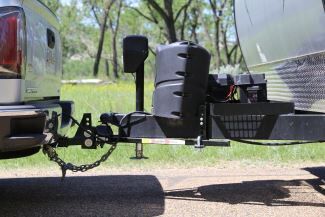
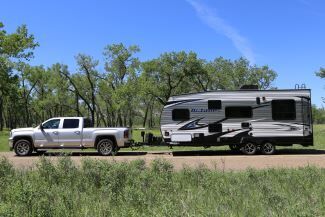
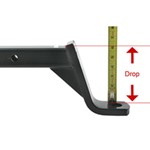



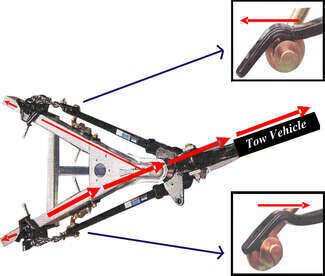


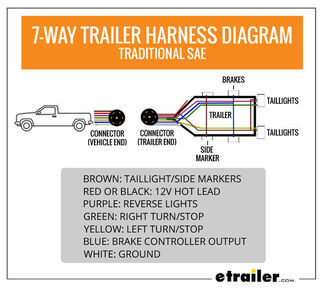
Chuck
8/2/2025
I have and Anderson equalizer hitch and extended the shaft to 28 inches from mounting hole to top ball so I can lower my tailgate I used one your 2 inches 24 inch steel blanks had it welded to Anderson hitch portion which I cut ther shaft should I worry about trailer sway I have a single wheel RV which 5000 lbs loaded truck has factory sway system with air bags