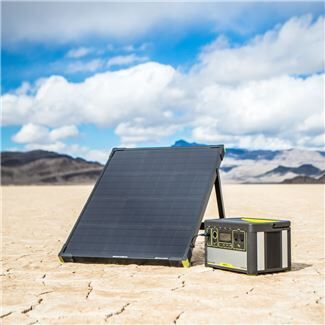
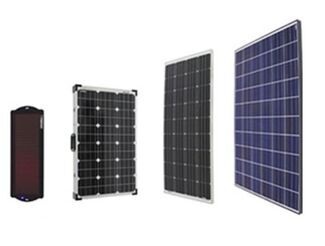
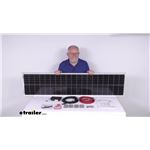
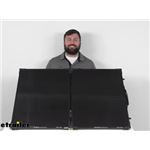
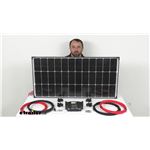
Ready-to-roll charging for weekend power needs. 51 - 100 watts is well-suited for maintaining an already charged battery or light recharging. When plugging into an RV "solar on the side" port, plan on a compatible solar controller and the right adapter; a 10 amp controller is 120 watts. Choose a kit with a controller and wiring, or a panel-only setup for use with a battery pack.
Some are panel-only without wiring or a controller, intended to connect to a battery pack. If you want plug-and-play with longer wiring, choose a charging system that includes a digital solar controller. For an RV Solar on the Side port, confirm the kit includes the correct connector and cable length you need.
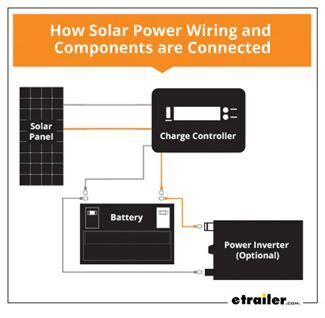
Yes, you need a solar controller along with the proper adapter. Match the panel's connector to the RV port (for example, SAE to 8mm) and route through the controller before the battery. If you already have a roof system, keep the portable panel on its own controller to help prevent compatibility issues.
Yes, a 10 amp controller is 120 watts, so a 100 watt panel fits within its capacity. Confirm the controller's voltage and connector type, and keep total input under its amp limit. For sensitive electronics like a laptop or TV, use a pure sine wave inverter on the battery side.
It can maintain an already charged battery, but it's slow for full charging. An 80 watt panel, from 50% in full sun, would take about 2 weeks to reach 100%. For faster recovery, use a stronger kit or consider a more permanent setup. Verify your converter and charging method match the golf cart's 48 volt system.


 Battery
 Filters