


Thank you! Your comment has been submitted successfully. You should be able to view your question/comment here within a few days.
Error submitting comment. Please try again momentarily.

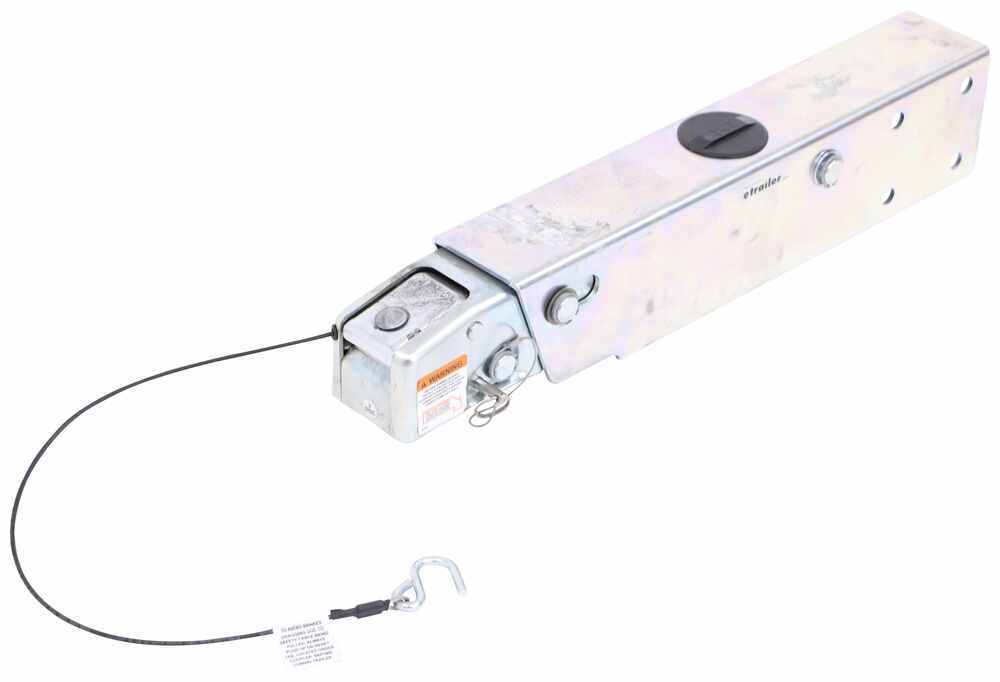
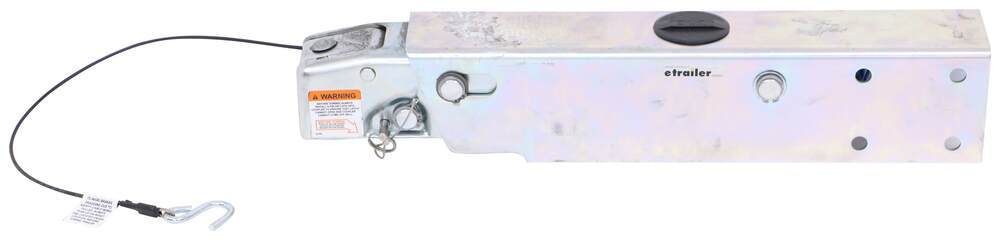
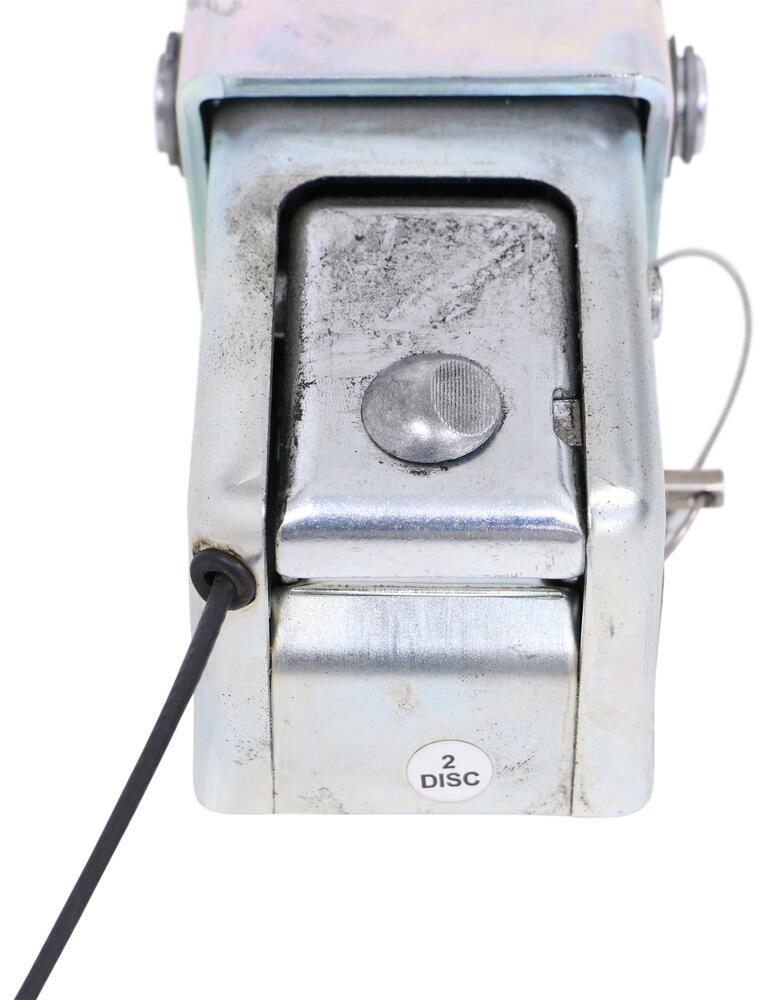
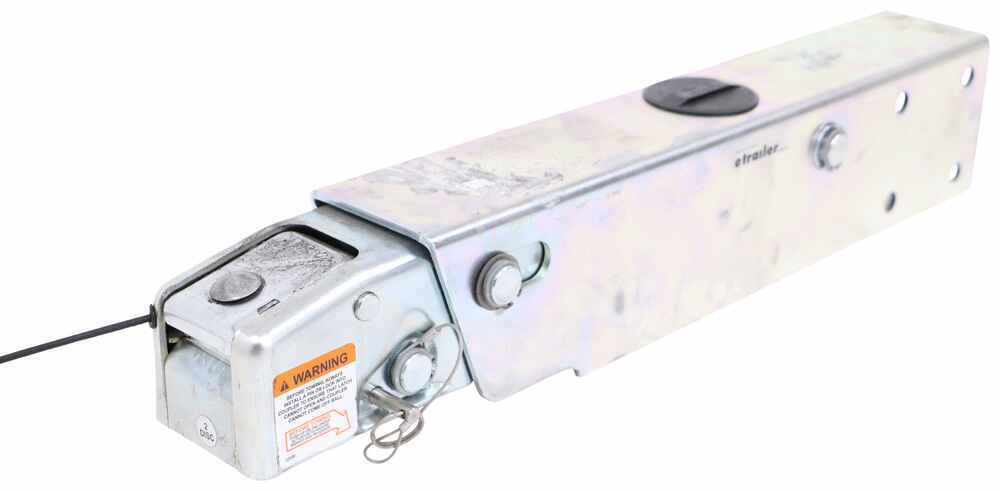
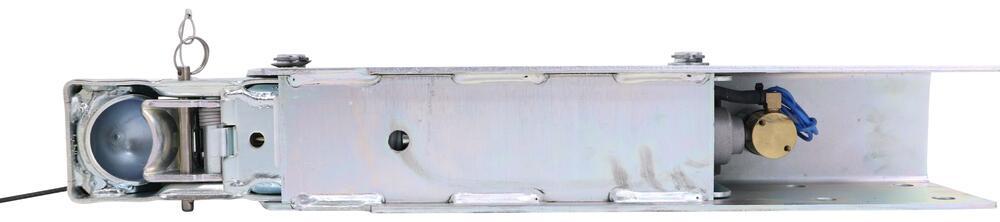
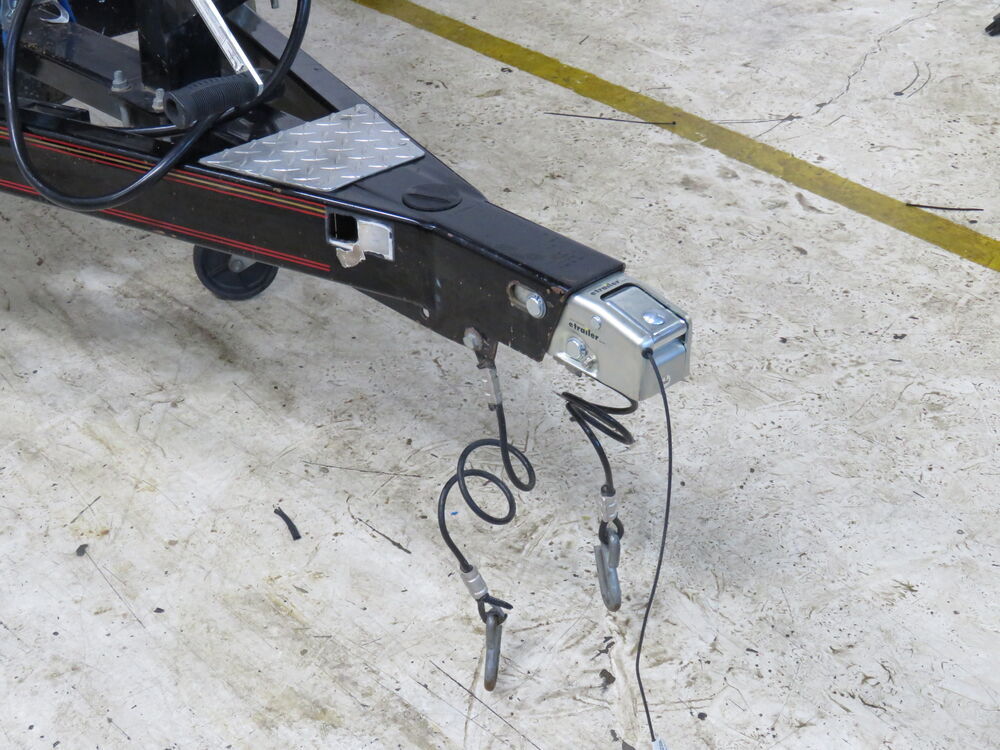
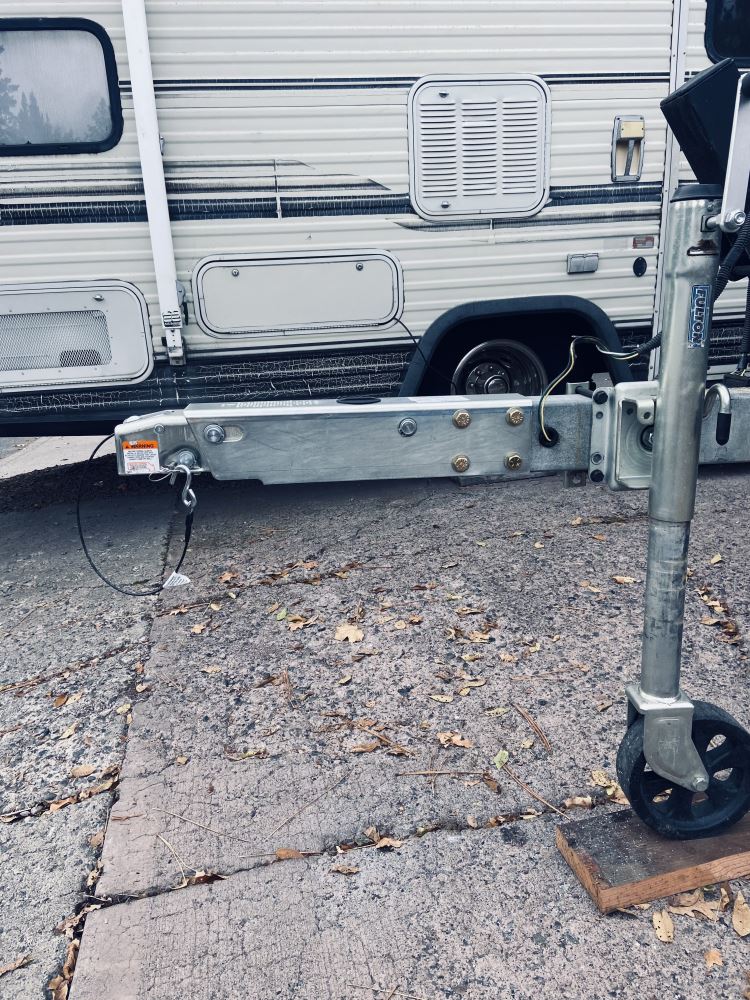
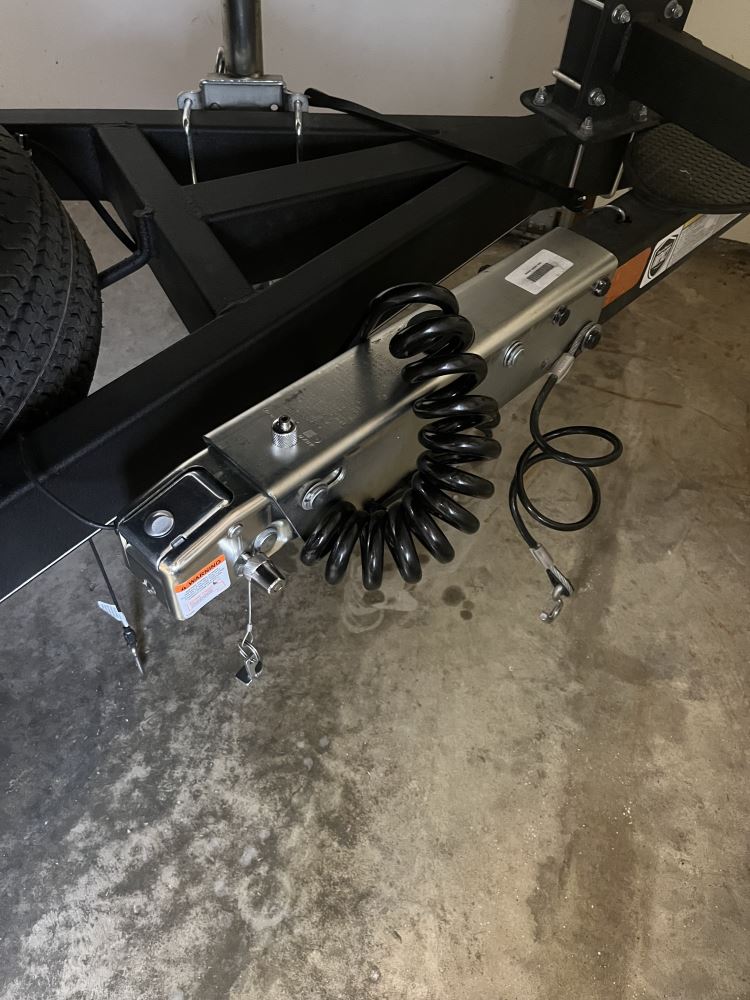
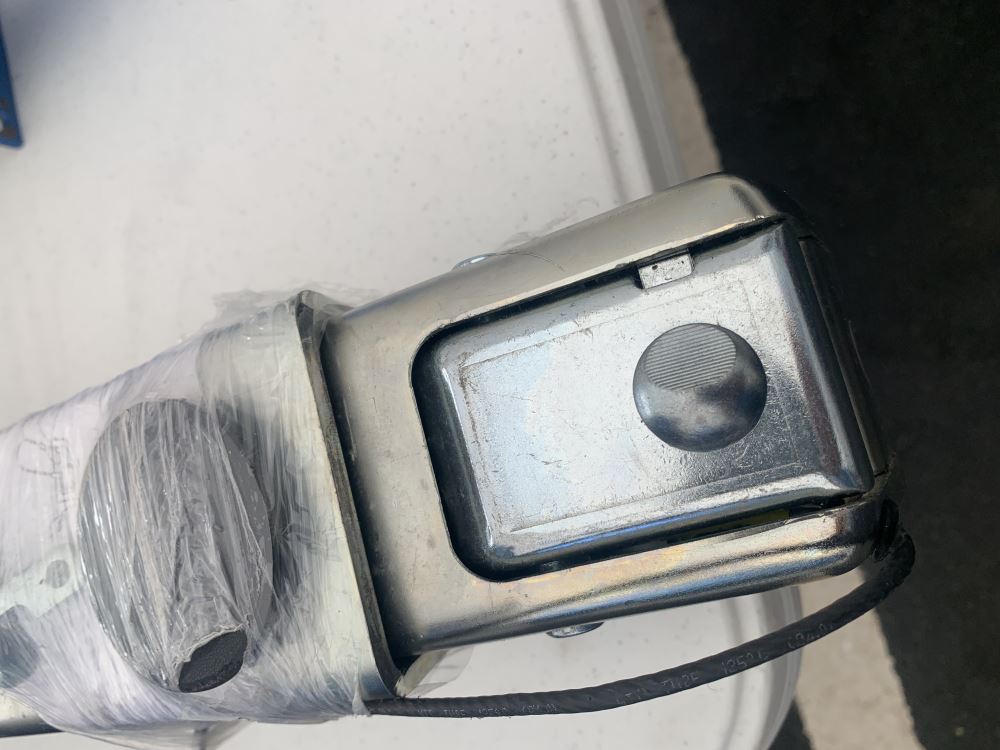
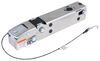
The Dexter DX7.5L A-60 Brake Actuator is a solid upgrade for anyone replacing an older or obsolete unit like the Titan Aero 7500 or the Atwood surge actuator. It’s built for hydraulic disc brakes and rated for 7,500 lbs, giving you dependable stopping power on trailers with up to two brake axles. The coupler fits a 2" hitch ball and installs on a 3" x 4" straight tongue, matching the common bolt pattern of 3" horizontally and 2-1/2" vertically. If you’re rebuilding or modernizing your trailer’s braking setup, this actuator bolts right into place without complicated changes.
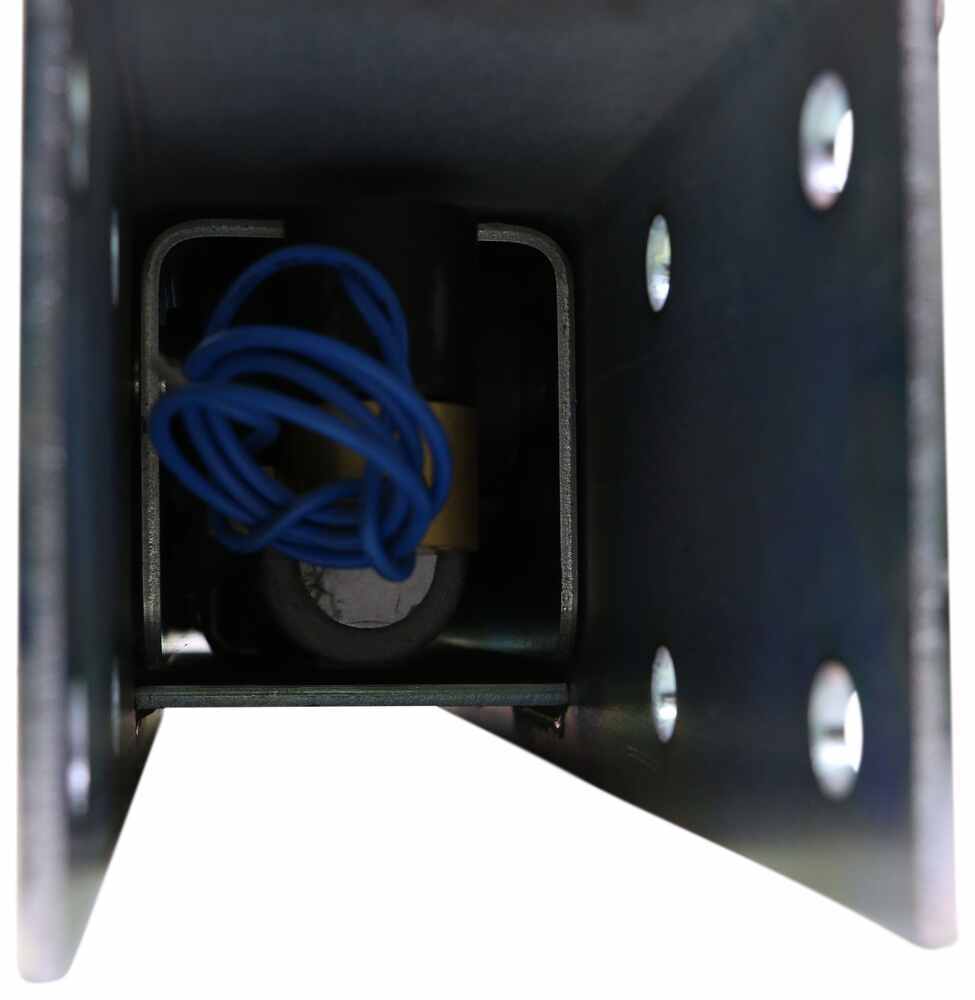
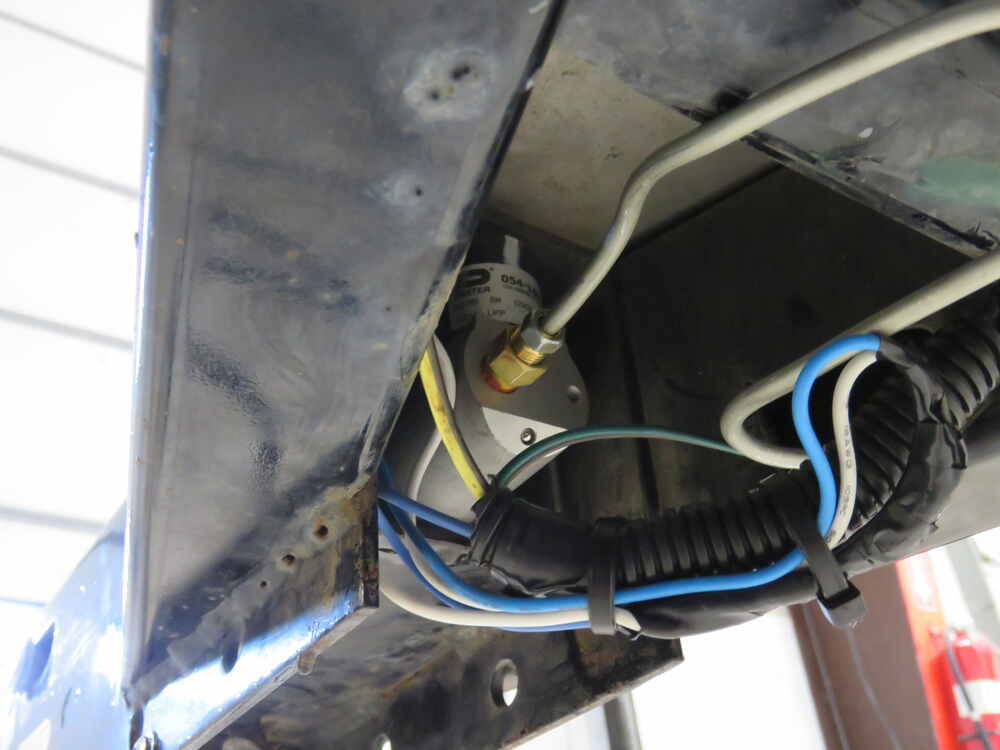
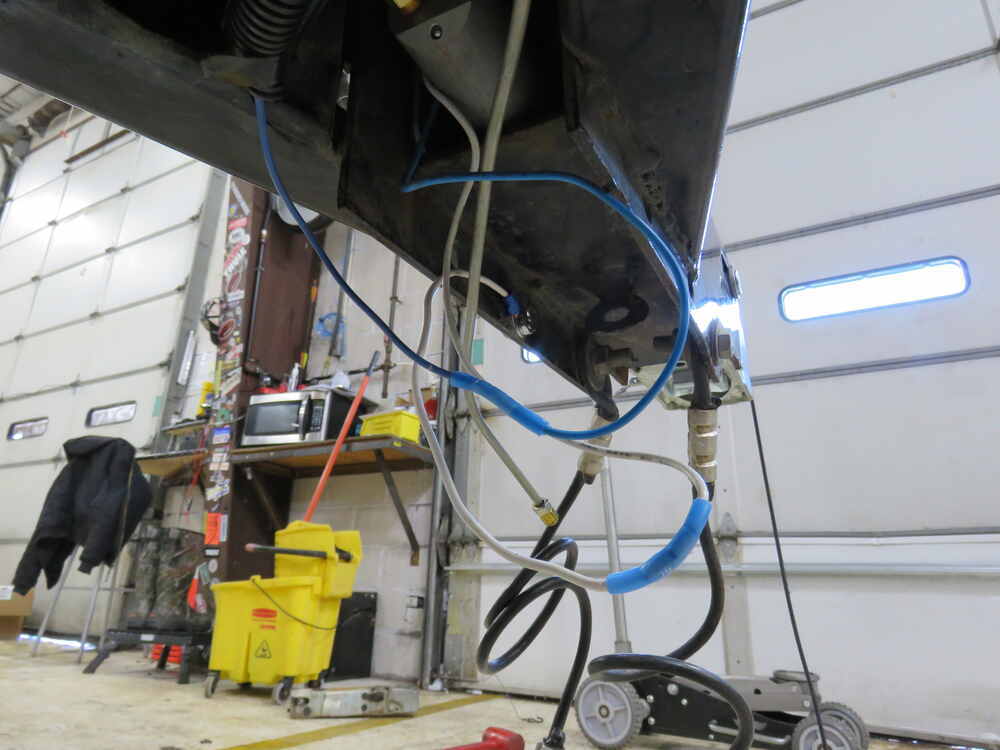
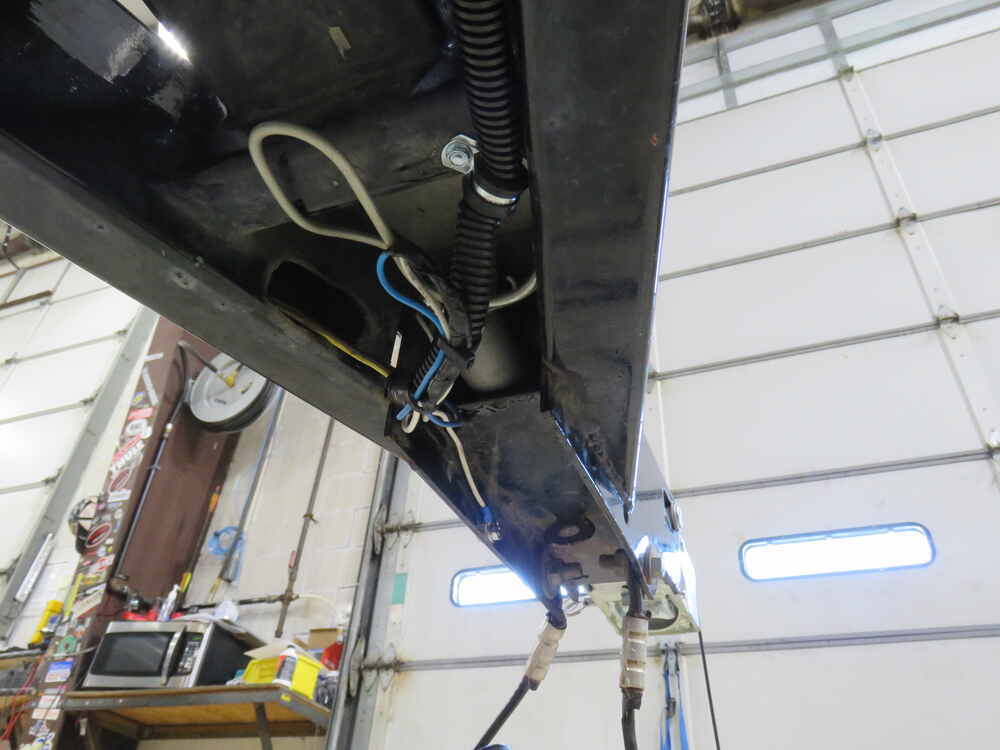
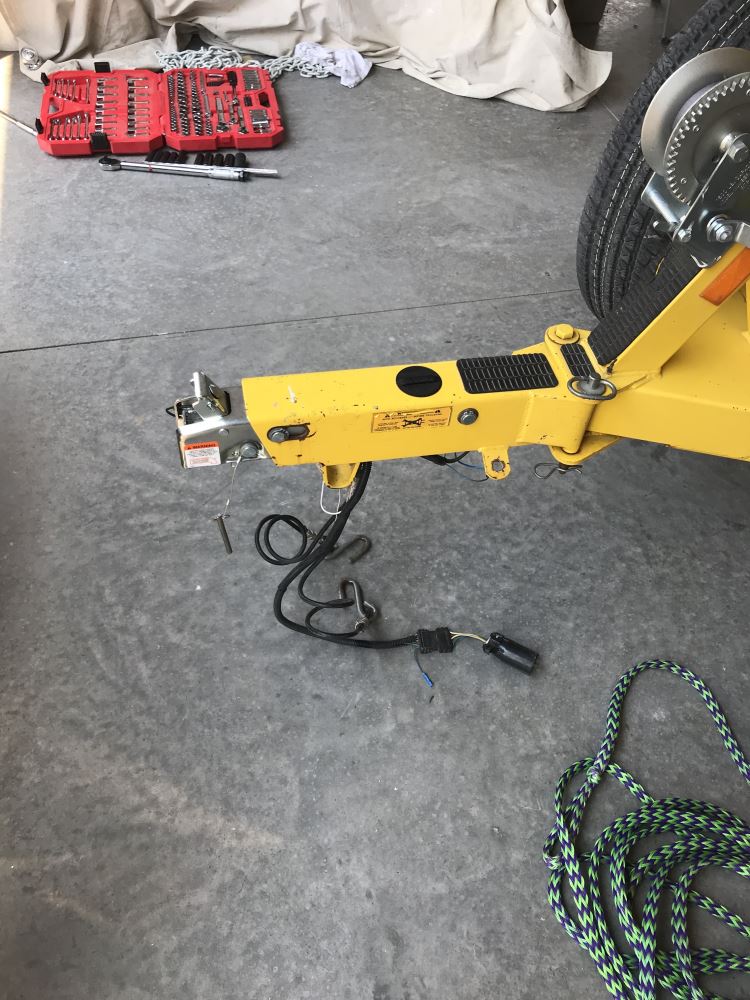
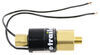
Anyone who’s ever tried to back up a trailer with surge brakes knows how frustrating it can be when the brakes grab in reverse. The built-in electric reverse lockout in this actuator fixes that problem. When you shift into reverse, the solenoid automatically activates to keep the brakes from engaging. Just wire the blue lead to your reverse-light circuit and the white lead to ground. That’s all it takes to get smooth backing up hills or around tight corners with no drag or wheel hop.
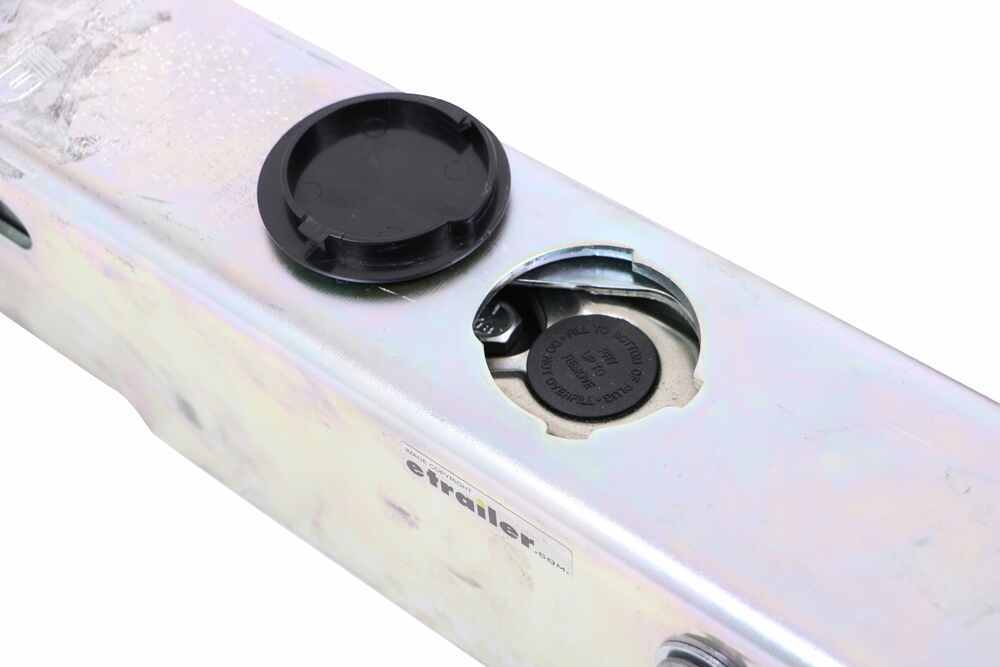
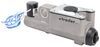
This actuator is made to handle wet environments like boat ramps and coastal roads. The aluminum master cylinder resists corrosion better than cast steel, so it stays clean inside and out. The zinc-plated outer shell provides strong protection against rust and salt exposure while keeping maintenance low over time. It’s a practical setup for trailers that see water or humidity often.
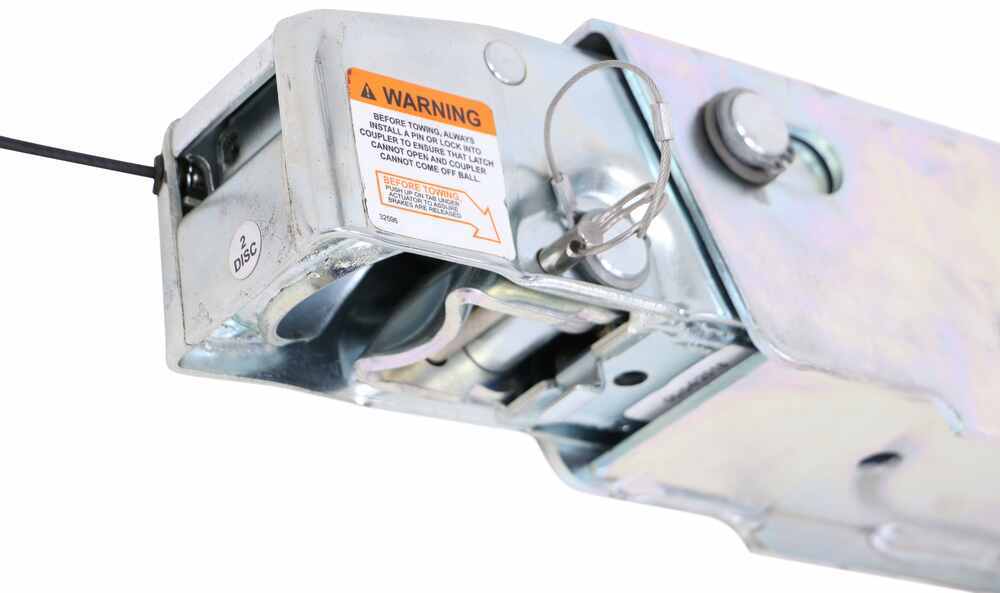
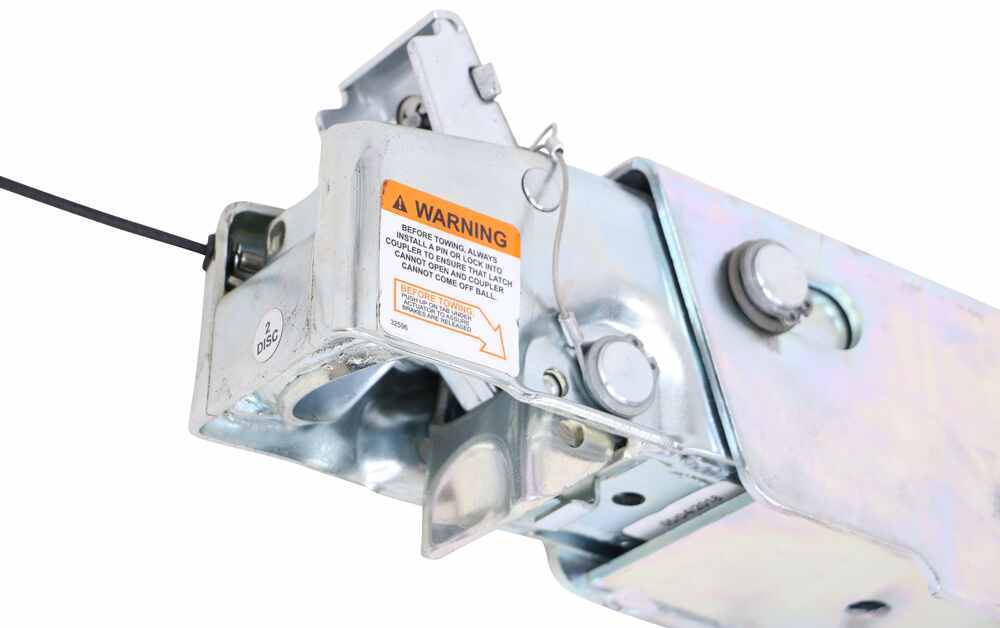
Hooking up is simple thanks to the low-profile over-center latch design. It only engages once the coupler is fully seated on the 2" ball, so you know it’s locked down before hitting the road. This gives a positive fit that stays secure even under heavy braking, and its low height means easier clearance for accessories or swing-away tongue hinges when space is tight.
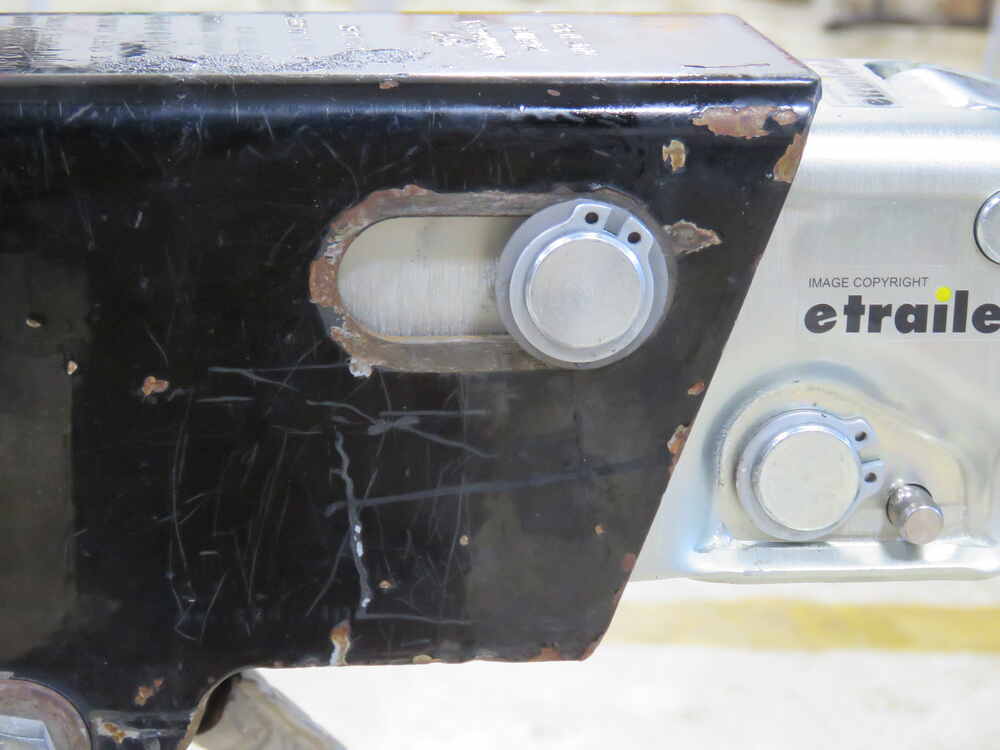
The bolt-on design uses standard 1/2" hardware and fits directly over a 3" wide by 4" tall trailer tongue, which makes upgrades fast whether you’re replacing an older unit or setting up a new build. With its simple layout and 19" overall length, the Dexter DX7.5L A-60 keeps installation clean and compact while delivering smooth, controlled braking every time you tow.

Customer Satisfaction Score:
94% were satisfied with this product
6% of customers were not satisfied
Ratings & Reviews


Craig

6/22/2025
Prodcut is great... and Etrailer you have the best service. Awesome !


Brooke M.
12/4/2024
Thats awesome, Matthew, thanks. Were you able to get out on the water much this summer?
Matthew
12/5/2025
It has been over a year now and everything is working flawlessly. I am constantly in salt water with my trainer and there are no real signs of corrosion.
Brooke M.
11/27/2024
Youre so welcome! Thanks for coming back to leave a review - it certainly means a lot to us!
Jpyt
11/8/2024
Over 2,000 miles and the actuator is working great. Enough said.
Ron
10/8/2022
Works great

Lazer S.
2/17/2026
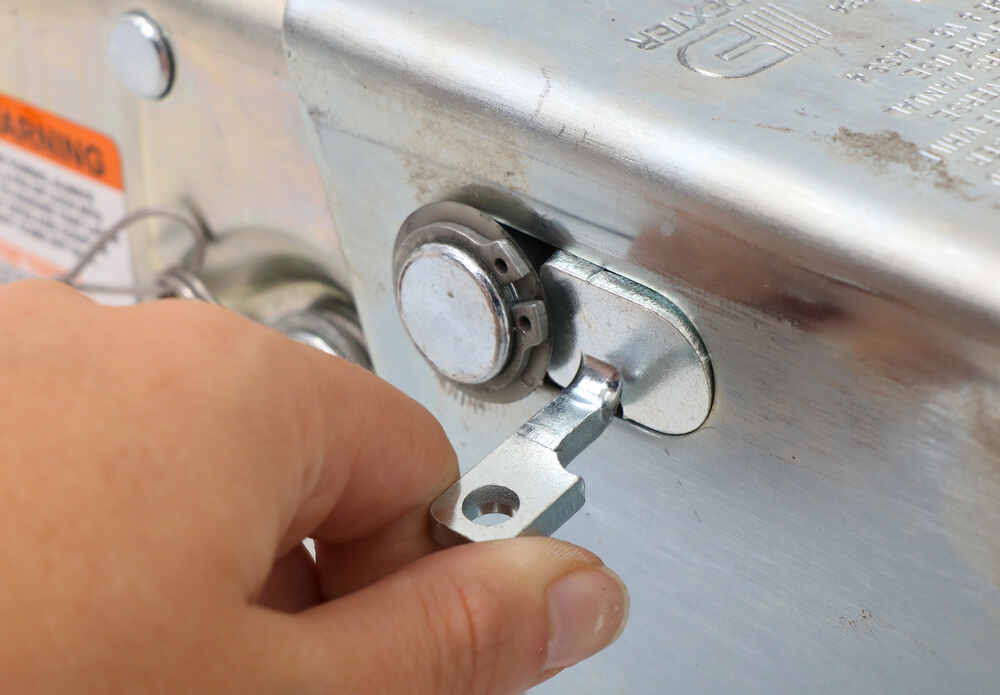
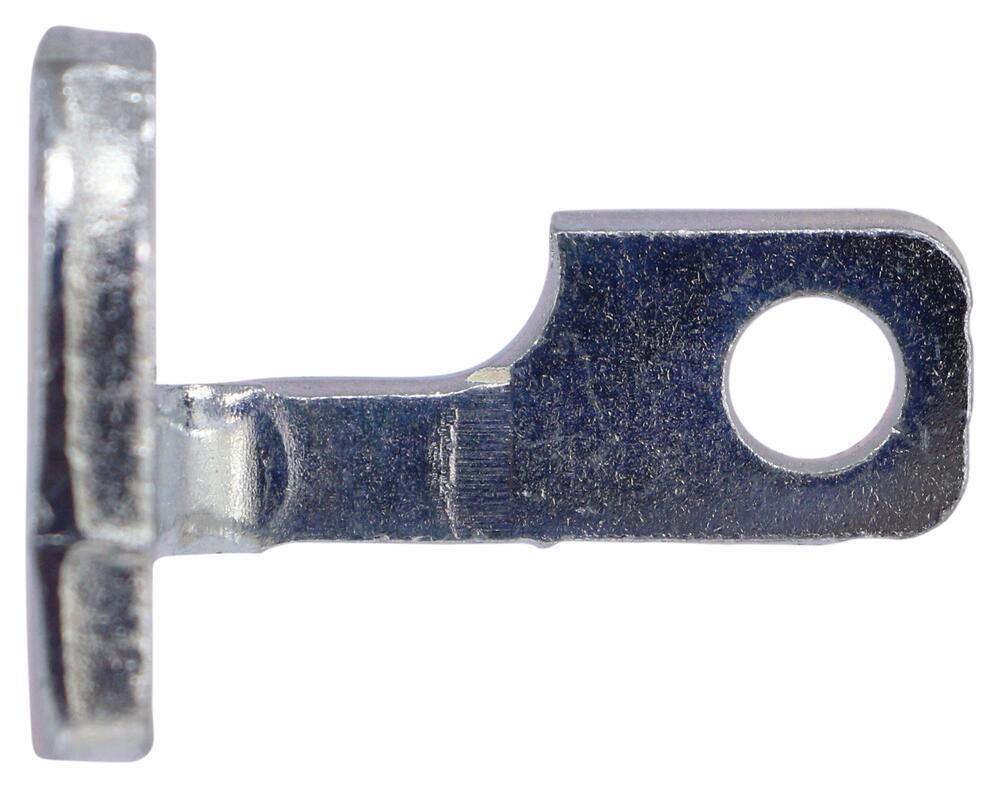
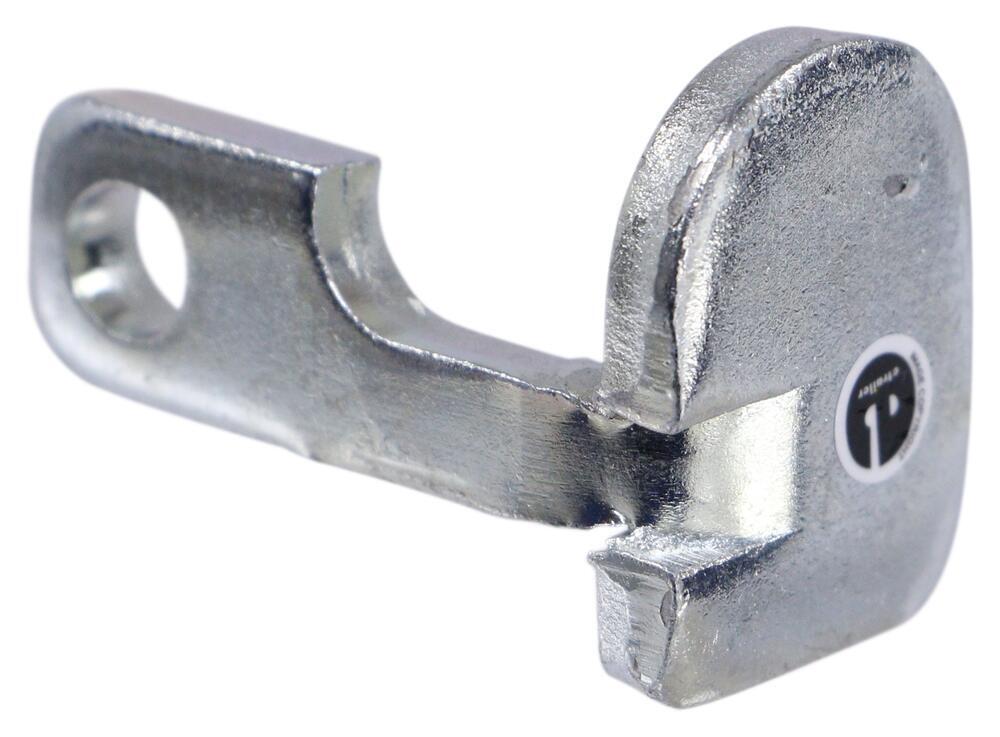
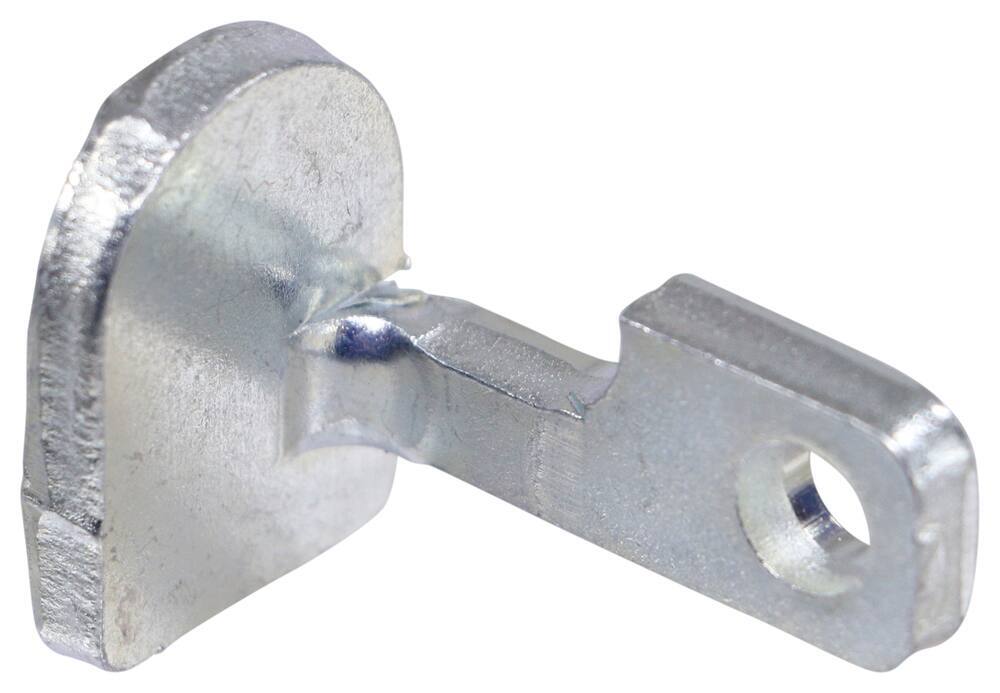
Well shoot, sorry about that Kory. It looks like we have a replacement lockout key on the way and it should be delivered to you tomorrow (the 18th): 1Z6VV9470304771343 Let us know how the install goes when you get to it! And also, what are you installing it on?

Ivan
2/27/2023
brakes on my boat trailer are working just as good as the day they were installed.
Do you have a question about this Brake Actuator?
Info for this part was:
At etrailer we provide the best information available about the products we sell. We take the quality of our information seriously so that you can get the right part the first time. Let us know if anything is missing or if you have any questions.




























Greg D.
10/31/2024
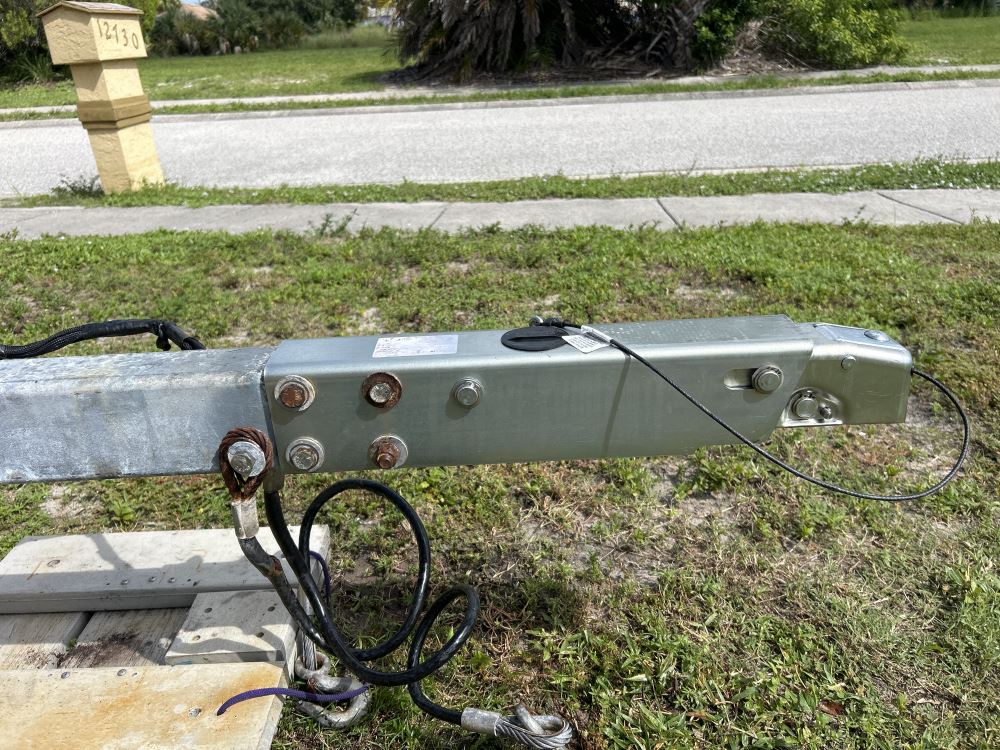
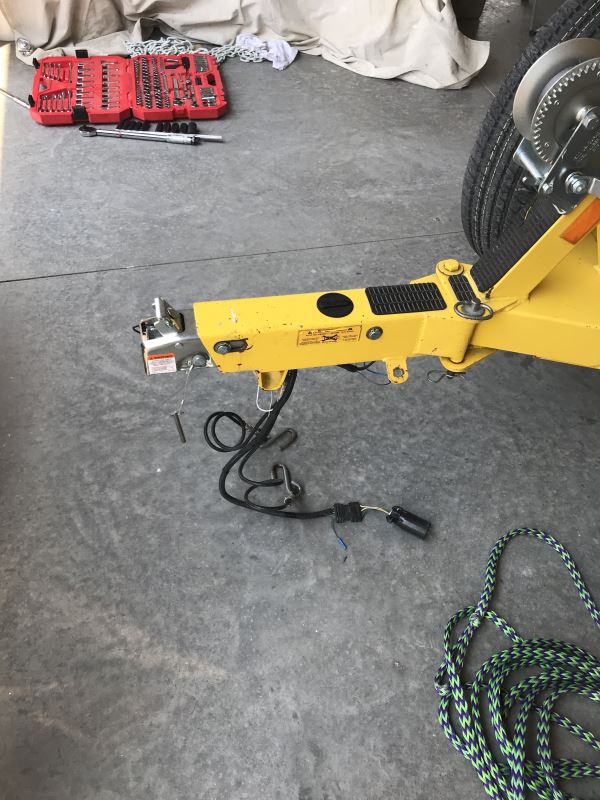
Excellent ! This coupler is so easy to hitch and unhitch works great on my Ez loader boat trailer loaded with my 21’ North River Scout fishing boat