
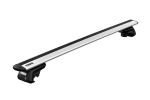
Thule WingBar Evo Roof Rack for Naked Roofs - Aluminum - Black - Qty 2


To see if this custom-fit item will work for you please tell us what vehicle you'll use it with.


Thank you! Your comment has been submitted successfully. You should be able to view your question/comment here within a few days.
Error submitting comment. Please try again momentarily.


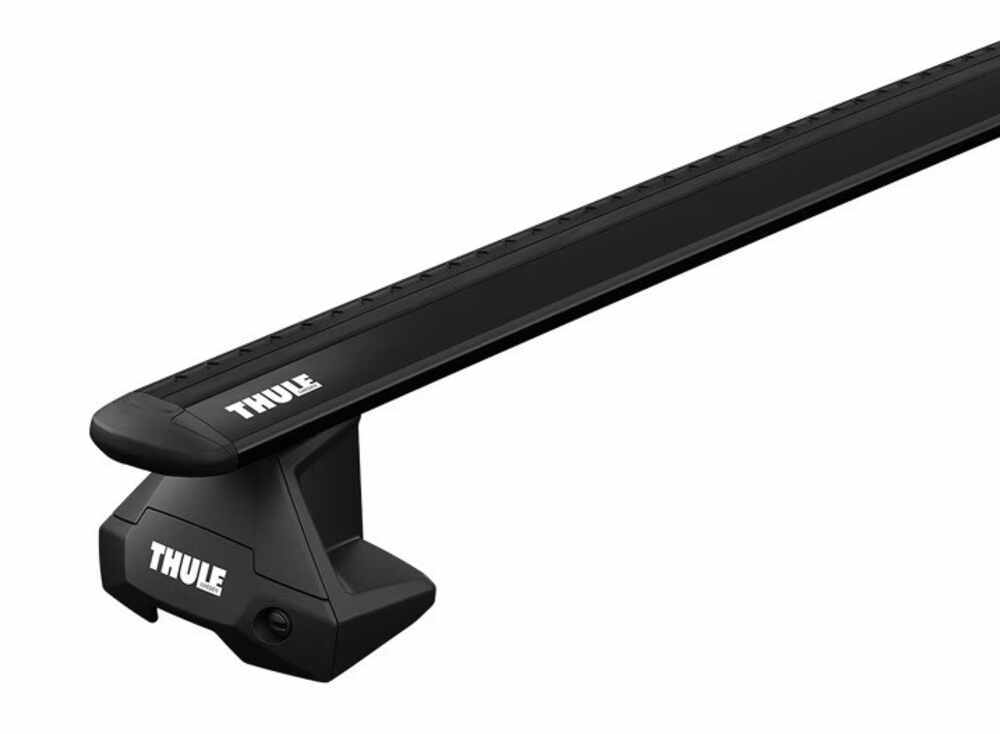


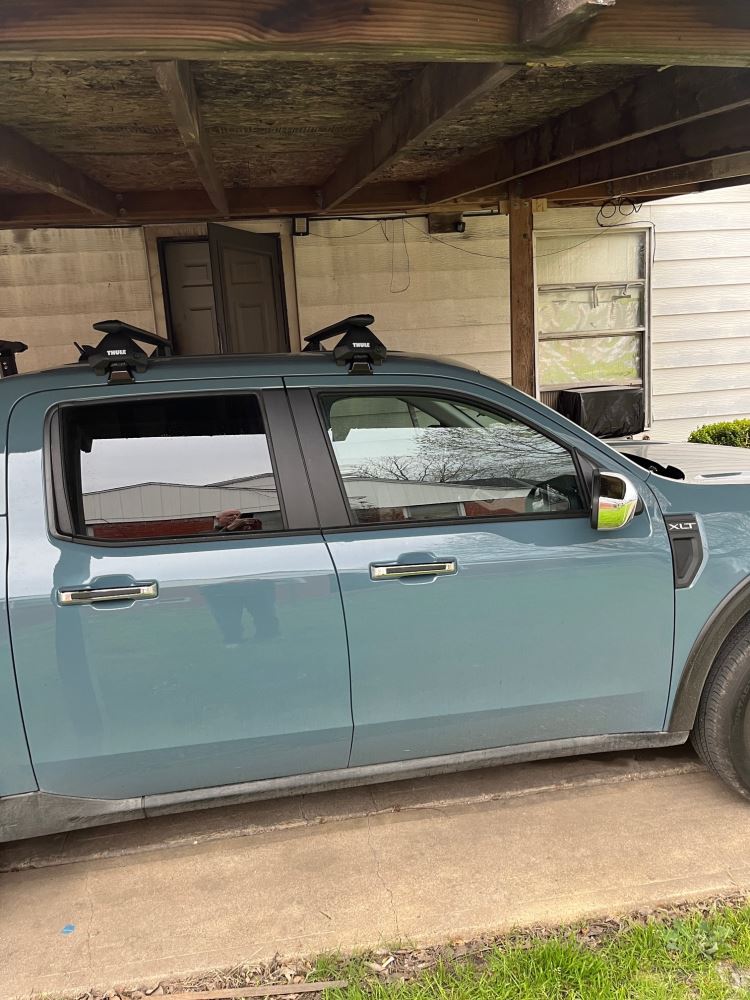
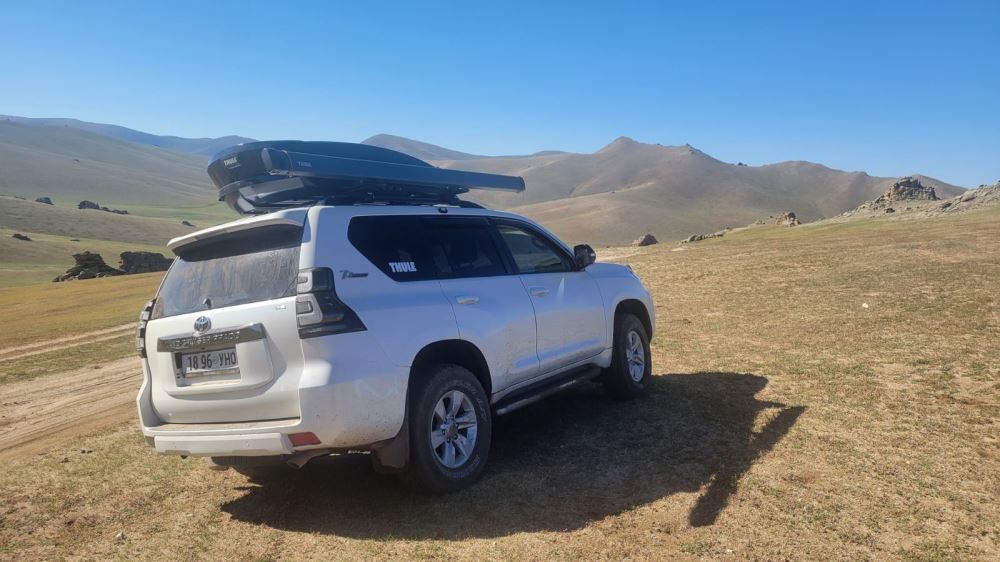
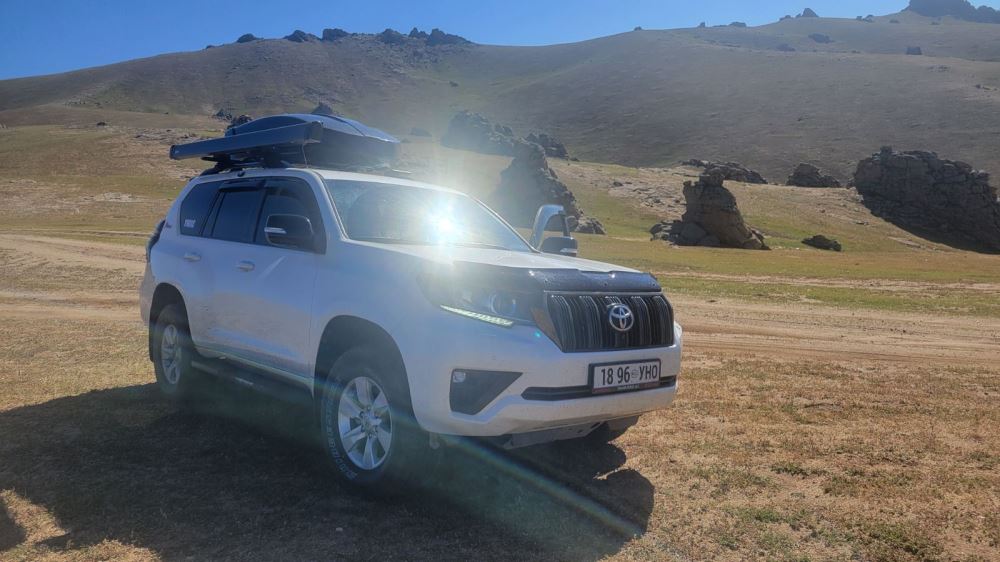
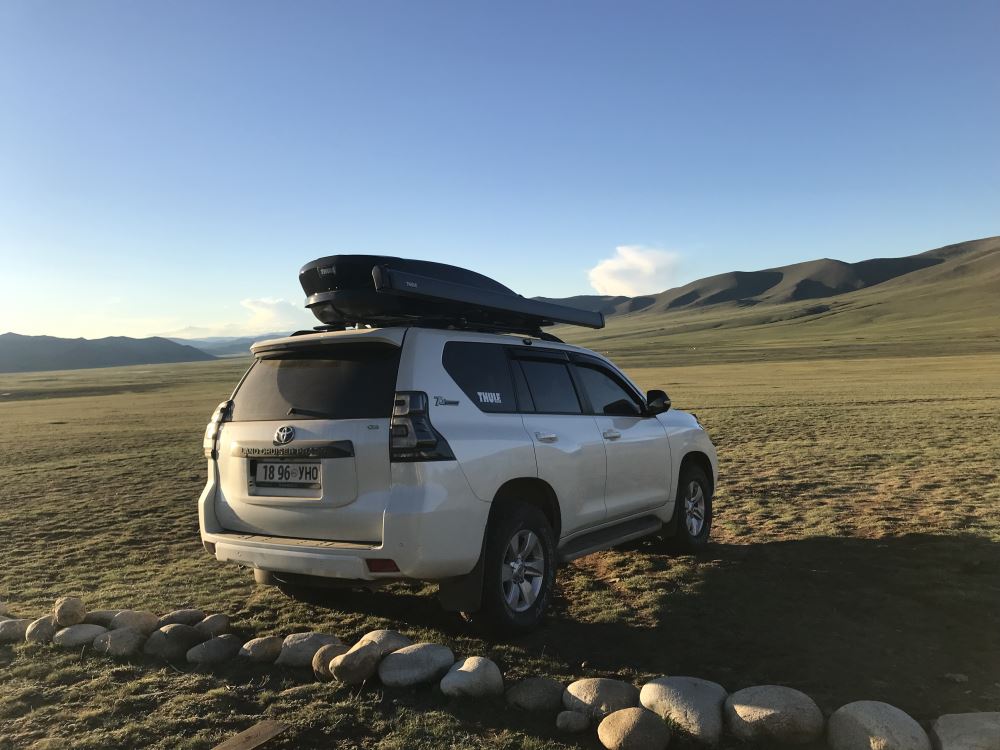
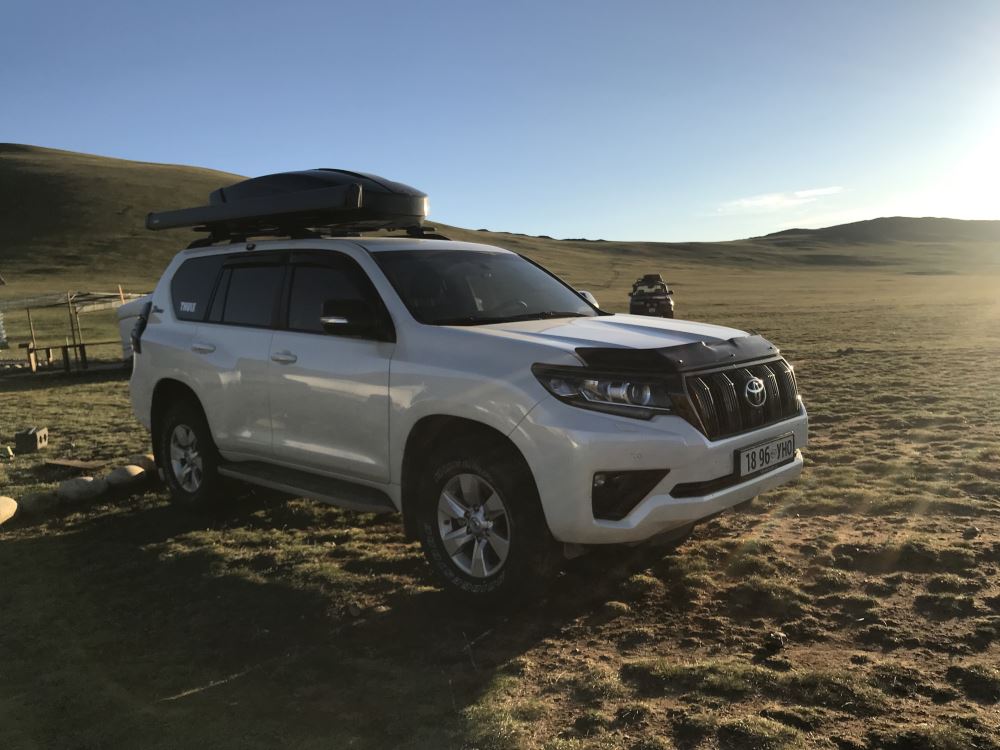
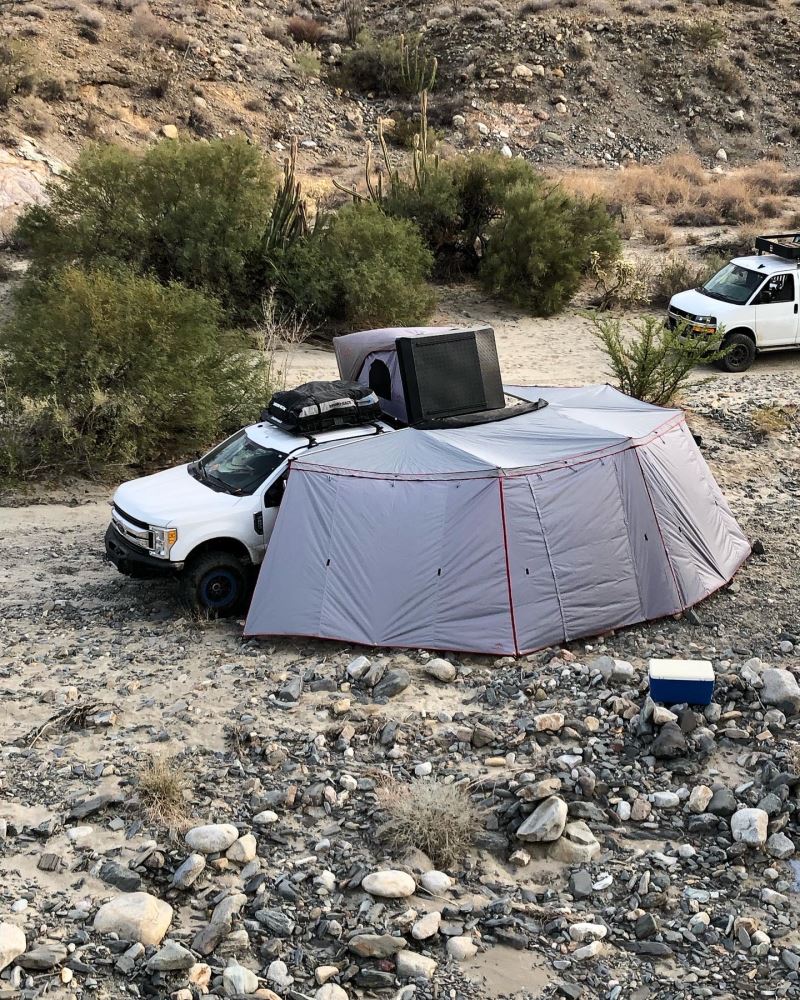
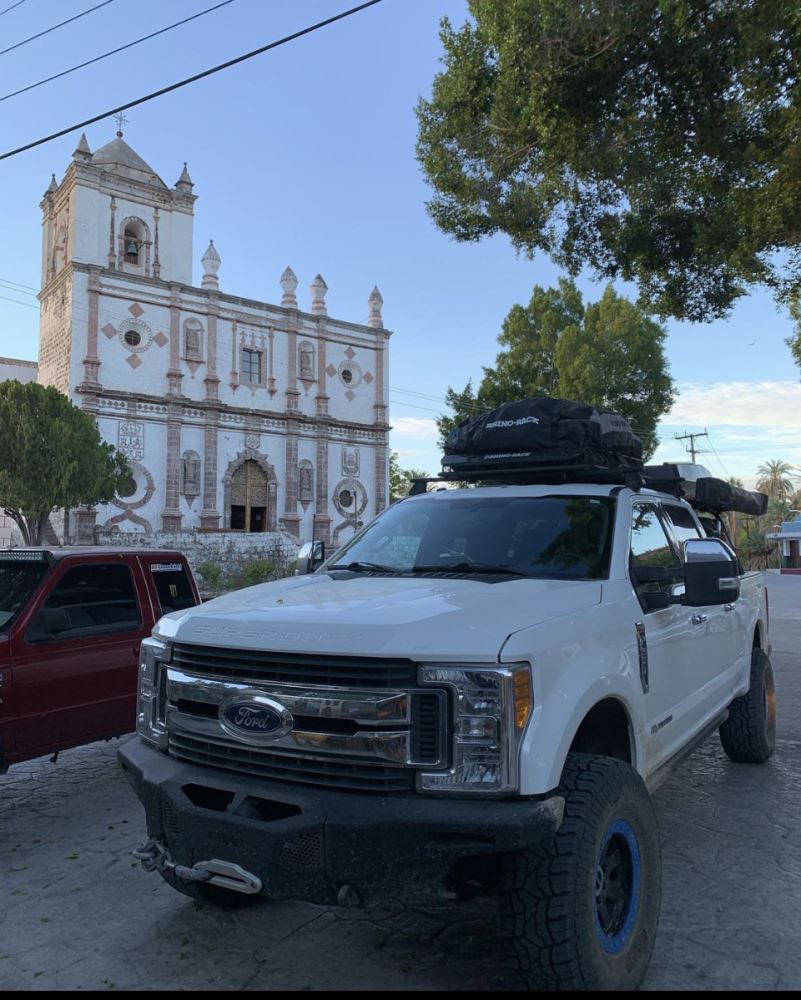
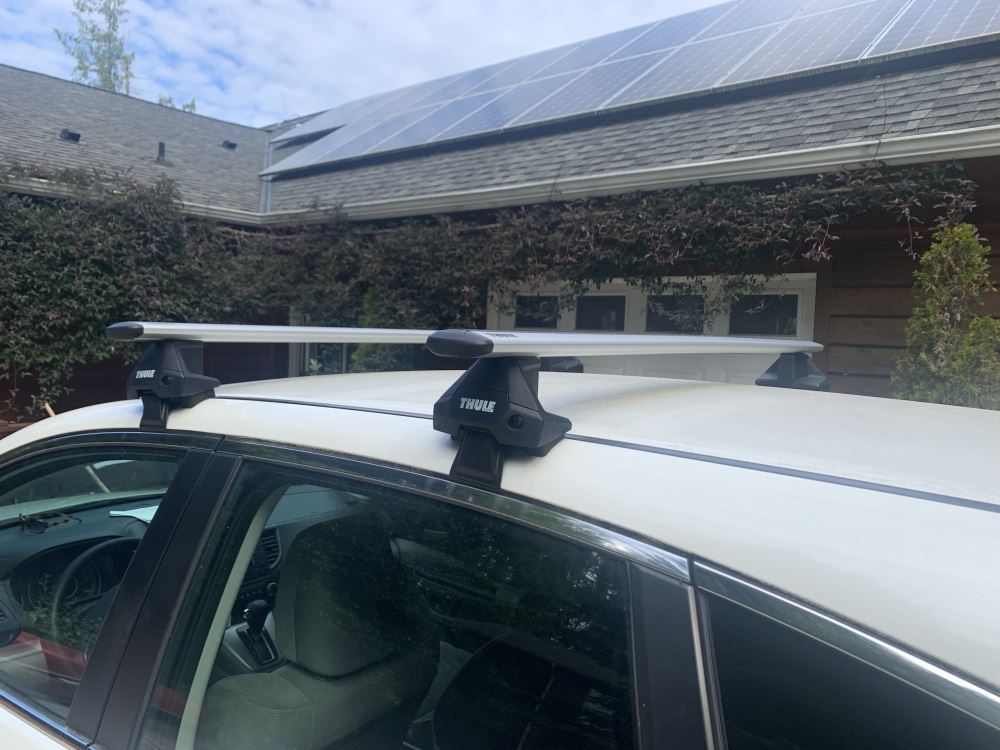
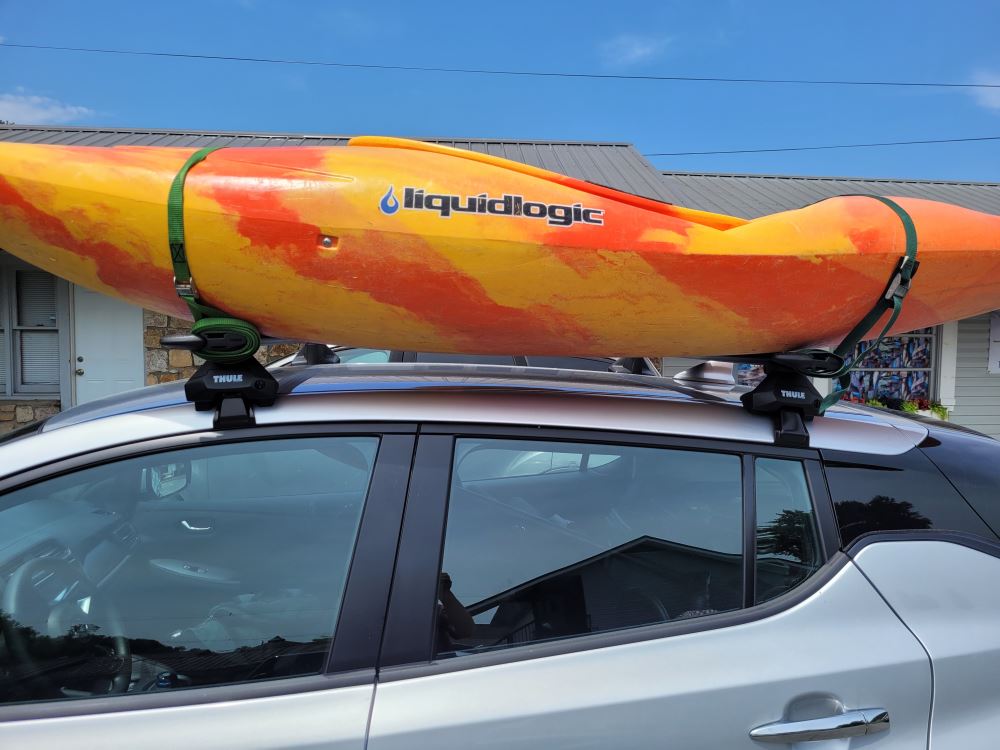
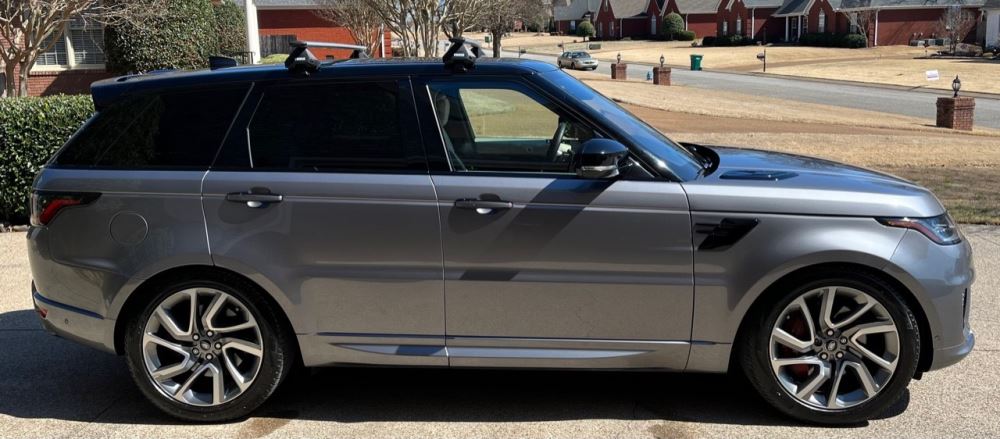
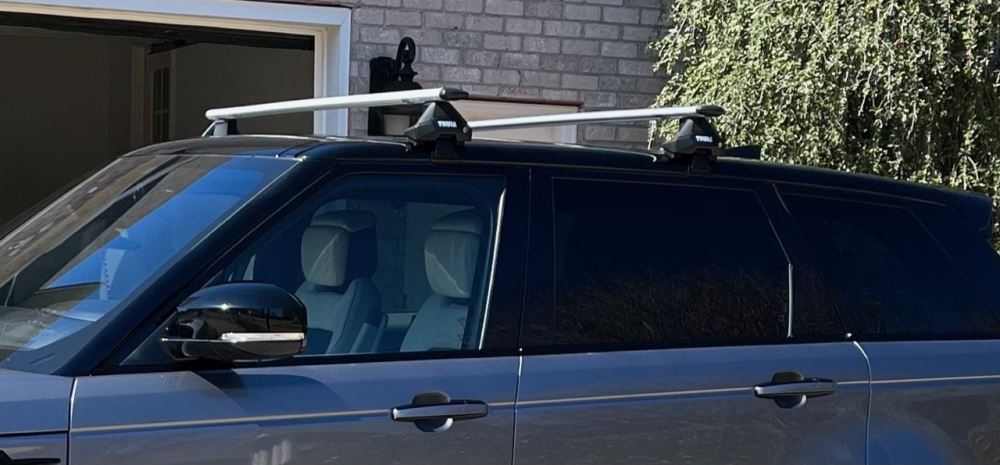
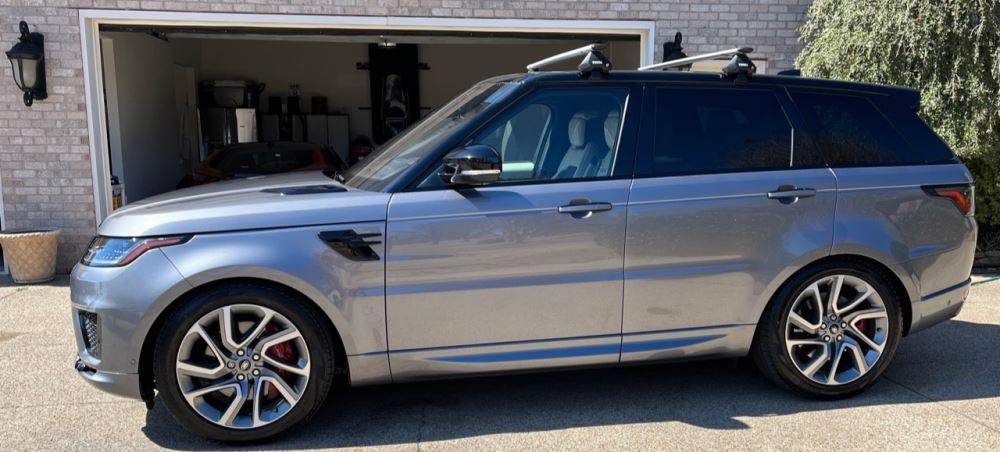
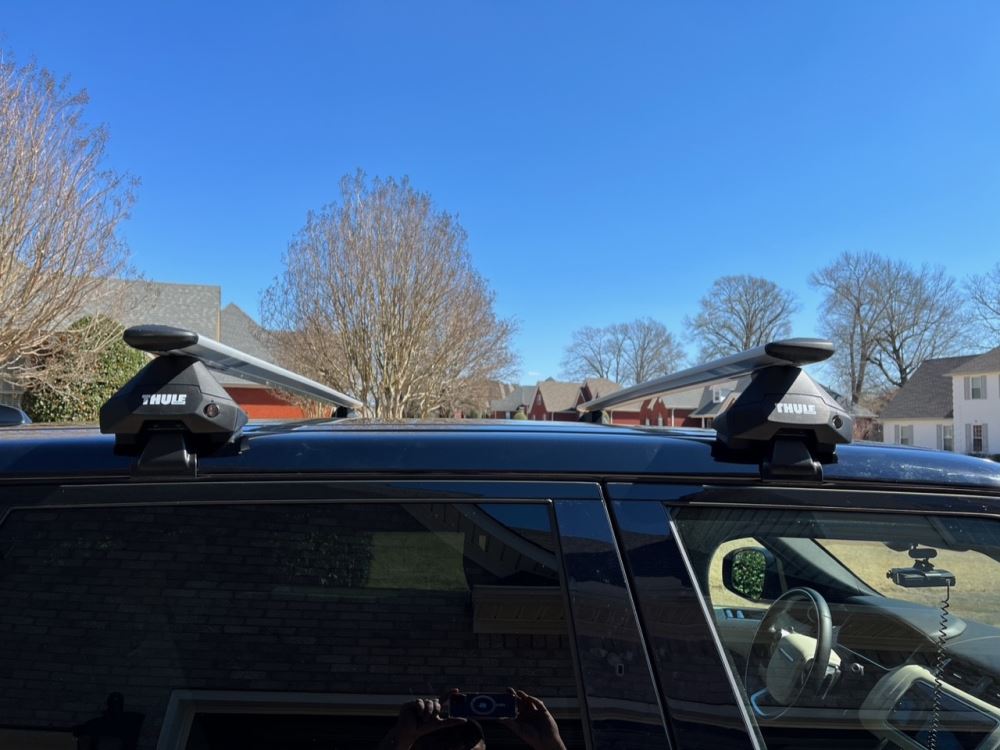
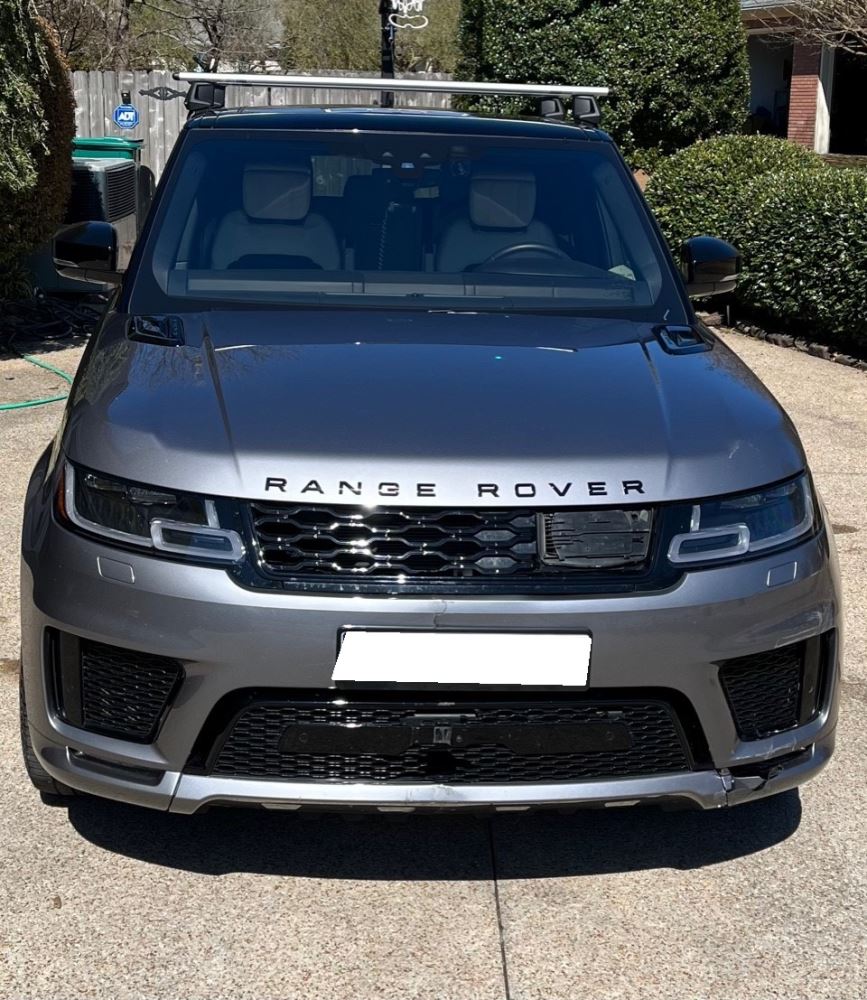
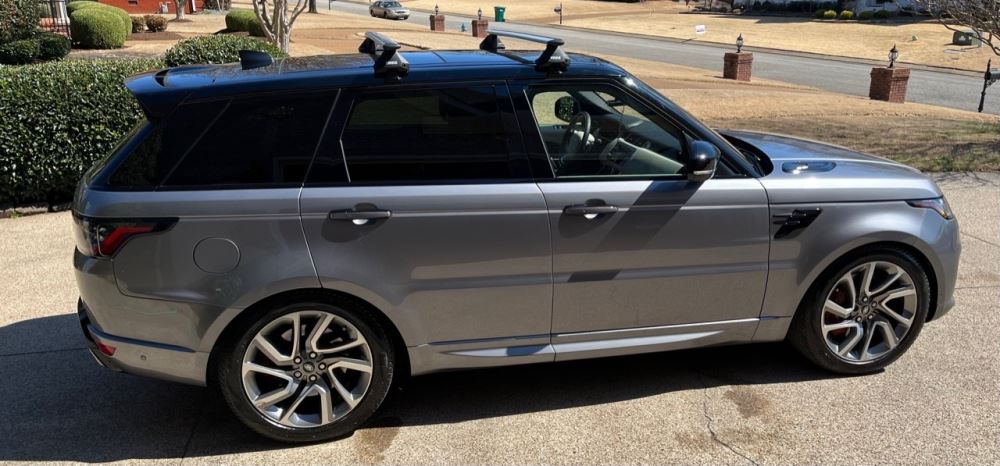
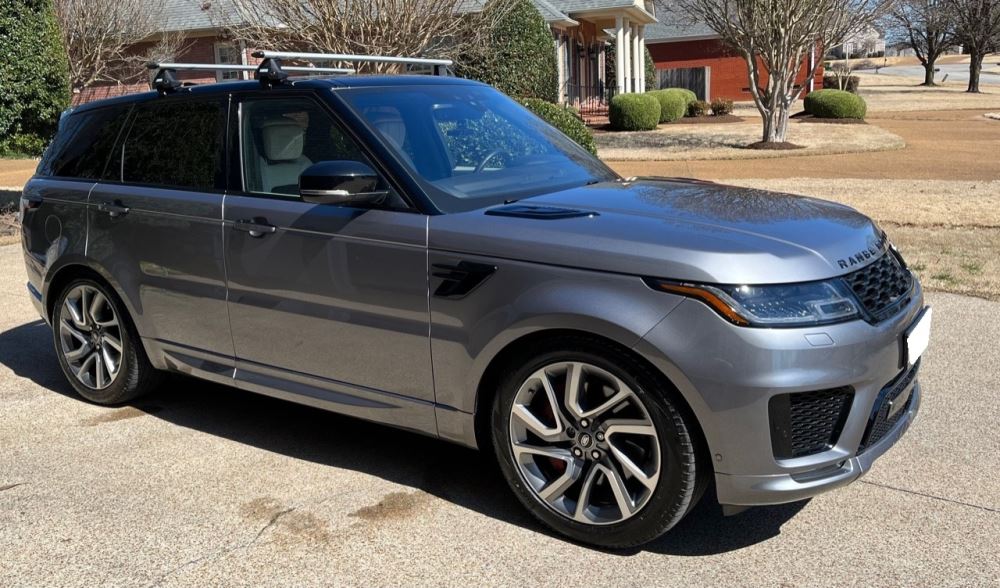
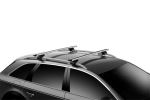
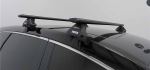
When you’re loading up for a weekend of paddling, camping, or long-haul travel, you want bars that hold steady under pressure. The Thule WingBar Evo Roof Rack is built from aluminum and rated for 165 lbs, giving you the confidence to haul kayaks, canoes, or even a cargo box. The solid construction helps keep your load secure mile after mile.
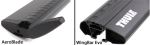
Driving with roof gear shouldn’t come with a constant whistle. These aero-style crossbars use an aerodynamic shape and split rubber strips in the top channels to smooth airflow and help reduce wind noise and vibration. It keeps things quiet enough for road-trip conversations without having to crank up the volume.
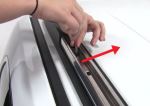
Some racks make you trim rubber channel strips before mounting gear—these skip that hassle. The split-strip design lets you slide accessories right into the top tracks without cutting anything. The strips close around the mount afterward, helping seal out wind and weather while keeping setup simple and clean.
From kayaks in summer to skis or a cargo box when winter hits, this rack takes it all. The bars work with both channel-mount and clamp-on accessories so you can use what you already have or add new gear later. It’s an easy way to keep your setup ready for any kind of trip.
If you like leaving your rig loaded and ready, it’s worth adding security. The rack is compatible with Thule’s One-Key System locks (sold separately), which deter theft of both the rack and any channel-mounted accessories. It’s a simple upgrade that keeps your gear protected when parked overnight or at the trailhead.
 Alternate Instructions
Videos are provided as a guide only. Refer to manufacturer installation instructions and specs for complete information.
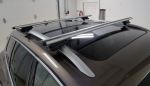
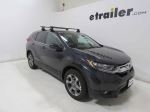
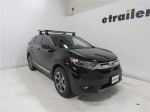
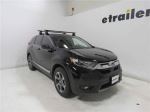
Kurt with etrailer, and today we're gonna take a look at the Thule Wingbar Evo roof rack, and we're gonna see how it fits and how it installs on our 2020 Honda CR-V. (transition whooshing) A roof rack is a great way to carry that cargo with you that you either don't want in the vehicle with you or it's just simply won't fit. So for instance, if you're going on a trip, you got three passengers with you. While the CR-V does have a decent amount of cargo space for the vehicle's size, that can fill up really quickly when you got a car full of passengers going to a long destination. The roof rack is gonna provide an opportunity to carry that extra cargo either with a roof box, a roof basket, something along those lines, or if you have items like a kayak or a bike or something like that that you want to take with you, those are things that can be carried up here as well with the right accessory. And the Wingbar Evo has a couple of great features to it.
First and foremost, it has a 165 pound weight capacity. However, you always want to double-check your owner's manual for the vehicle rooftop capacity. Whichever number is lower, that's gonna be the limit to the weight that you can carry up on your roof. It's also an overhanging roof rack, meaning that the crossbar comes out past the towers. This is gonna give you the opportunity to use a lot more of the bar space than a flush rack would.
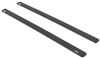
A flush rack is where it dead ends into the tower and you're generally forced to have a smaller bar space and keep things toward the middle of the vehicle. This gives you the opportunity to maybe put things up there side by side as long as they're under the weight capacity and bring 'em closer to the edge of the vehicle just for ease of access. The bars themselves can take your clamp-on accessories, or the end cap folds open here to give you access to this T-track through the weather stripping here, so you can use your T-slot mounted accessories. Now you got 53 inch bars up here, so you've got 53 inches of usable bar space to load up your cargo and your accessories. But we're gonna take a few measurements up here to check on some other things.
First and foremost, I'm gonna check on our crossbar spread, and that is the distance between our crossbars. The reason that number is so important is because every rooftop accessory has a minimum and a maximum crossbar spread that is allowed in order to use that accessory. So knowing what your spread is is gonna help you pick out the right things to put up here. So if I go from the middle of my back bar to the middle of my front bar, I am right at 27 1/2 inches, and that's a good place to be. The sweet spot on most of these rooftop accessories is kind of between 25 and 30 inches.
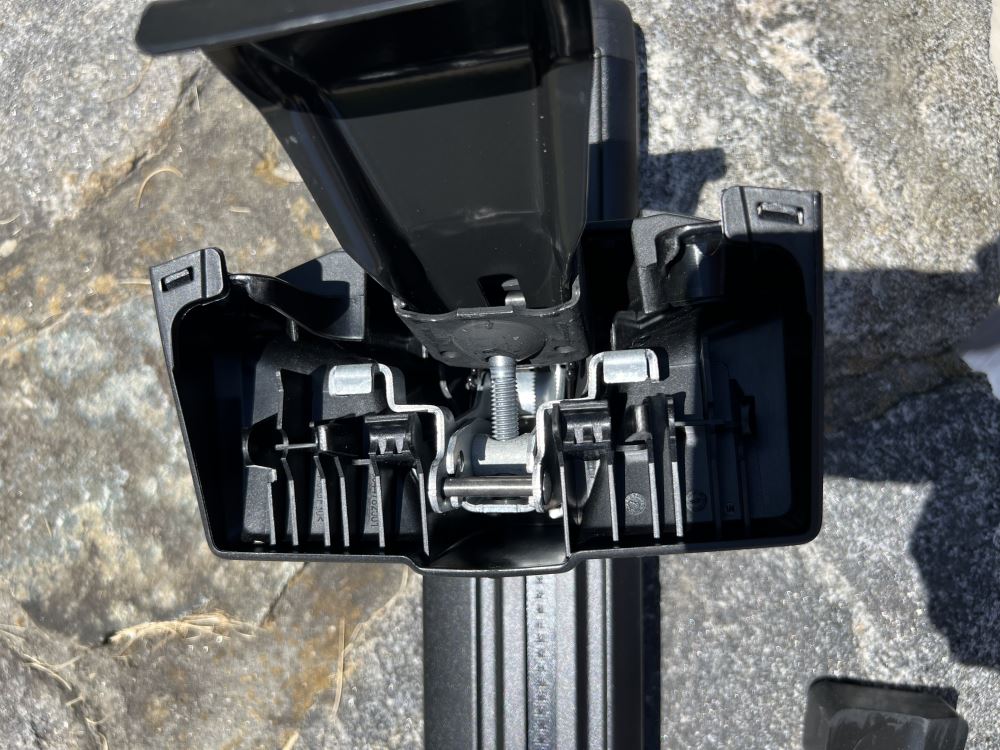
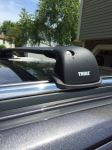
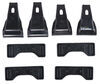
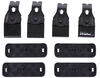
So at 27 1/2, I'm pretty confident that I'm gonna find several accessories that are gonna work with this setup. I'm also gonna double-check on the height that this adds to the vehicle. So the top of my bar comes out to being just under four inches. So if you know your vehicle height and you know your accessory height, add that four inches, and you'll get your overall height when it's loaded up up here. And if you come across a low-clearance area, like maybe a low bridge, garage, something like that, you'll know whether or not you'll be able to pass safely. The last measurement I'm gonna take up here is going to be, how much room do I have under my bar Now I got about 2 3/4 inches in the front here. Now, that is gonna be enough for my sunroof to pop open. However, if I've got an item up here, it's gonna be pretty difficult to do that. I'm a little worried about opening it all the way up too because of how close in proximity this bar is back here, there's a chance that it could come into contact with that. Now, with that being said, if you've got a bunch of stuff up on your roof, honestly, you're probably not gonna wanna be using that sunroof anyway. Wouldn't be a whole lot of point. But if you did want to have the vent popped open while the roof rack was empty, I think you'd be perfectly okay doing that. And the reason it's so important is because when it comes to the installation, on a naked roof like this, something without any rails, the pads and the clips for installation on this roof rack need to go into a very specific spot. I can't just move these up here wherever I want to. It wouldn't fit correctly. So follow along and I'll show you exactly what I mean when I get these installed on our CR-V. (transition whooshing) The first thing that you want to do when it comes to the installation is lay all your parts right. Your fit kit is going to be coming with these rubber base pads along with these clips. Now, on each of these, there is a number stamped on 'em, and you wanna check your instructions. They do go in a very specific place. So for instance, we've already got our front crossbar put on. That is going to use footpad 207 on the driver's side, 208 on the passenger, and it's gonna use the clips that are stamped with a 154. When it comes to the rear bar, which is the one we're gonna be putting on for you, 212 is gonna be your pad on the driver's side, 213 on the passenger, and they're gonna use clips 155. Now once you establish what's going where, you can lay down your crossbar. These are going to be aligned on the roof so that the wider part of the bar faces the front of the vehicle, the narrower part faces the rear. So lay that out. This is going on my driver's side, this is going on my passenger. I'm gonna go over here to the driver's side, I've got pad 212. This plastic piece at the bottom of my tower is what this is going to fit onto. So I'm just gonna kind of clip that around the back and press it on. Now, I'm gonna make sure that it's flush going all the way around. These rubber pads are made to contour the roof in the place that they are going so that they fit very snugly. The next thing I'm gonna do is take my clip, and through this slot right here, I'm just gonna insert that until I hear that click. Once I hear that click, it's good and locked in. And I'm gonna repeat this process on the passenger tower. Take our crossbar, we're just gonna turn it over. And here we're gonna have the tabs to our end caps. So I'm just gonna depress that tab, remove the end cap, and then I'm gonna take my tower. Now my tower here needs to be aligned. So this clip is going to the outside of the crossbar. The other thing you can do is this little clamp up here is T-slotted to go right into this section underneath the crossbar. If you depress this in, like this, it's going to raise that section up and give you clearance to be able to slide that on. So I'm gonna do that right now, just like that. And once I release it, it ends up being stuck in place. I'm gonna do the same thing over here on the passenger's side. Right here, we have this tab. If we slide it over, we're gonna find a numbered scale here. And in your instructions, you're gonna come up with an x-measurement and a y-measurement. The x-measurement is basically this scale right here on your front bar, which gives you a measurement of 47 1/2. We're doing the rear bar, which calls for a measurement of 40 1/2. So I'm gonna slide this tab down, and they do have hashes for the hole and for the half, until I get to 40 1/2. And I'm gonna line the hash for that right up with the edge of the opening right here. Once I do that, I'm gonna depress this in so I can slide it and move it right over till it butts up against that tab. And at that point, I can replace the end cap. I'm gonna do the same thing over on our passenger's side. My suggestion just for ease of installation, is right through here, we've got a bolt. I'm gonna use the Thule tool, and I'm gonna loosen that all the way. Now what this bolt controls is how loose and how tight my clips are, my clamps, so I want to just create as much slack as I can. It just makes it easier to get it up on the roof if I have more mobility outta my clamp. We can get it up on our roof. Now, whether you wanna grab a ladder or a stool or use the door threshold, you can. You can do it from the ground if you're tall enough. But essentially what I'm gonna do is get that clip to the outside over on the other side of the vehicle, and I'm gonna kind of work it back. And that pad is gonna kind of just rest right up there in place. And I'm gonna put the other side down right here. Plenty of length for the clip to get around this lip right here. And now I'm gonna take some measurements for our bar placement. In your instructions, you're gonna find a z-measurement and a w-measurement, and both of those measurements to do with where your crossbars are placed on your roof. The z-measurement for your front bar is gonna be from the front of this rubber pad here to the top of the glass on the windshield. That measurement comes out to 11 3/8. The next measurement is gonna be from the front of our first crossbar to the front of our second crossbar, and that measurement should come out to 27 1/2, and we're right at it. So we've got our bars in place. We're also gonna double-check to make sure it's seated okay. So the rubber pad is seated on here perfectly. The little lip or notch in the back is seated around here perfectly. Grab the tool that's provided by Thule in your kit. Again, I'm just making sure everything is seated nice and flush. What I'm gonna do is I'm just gonna push up on this clip until it catches, and I'm gonna use my tool through this bolt right here to tighten it down. Now, I'm not tightening it all away. I just want to get this snug so it's not going anywhere. The reason being is I've done this before where one side gets tightened down all the way and the other side isn't. It can knock it out of place and you end up undoing everything and starting over. It's a lot better to get it nice and snug on here, making sure that everything stays right where it should. And what I'll end up doing is just incrementally going back and forth. Might give it a few turns here, go to the driver's side, do the same thing, and just work myself back and forth until everything's all the way tightened down. The tool that you get from Thule here, this is a torquing tool. It's gonna give a loud pop like that when you're all done and completely tightened down according to Thule specs. And the last part of our installation is going to be to put on our tower cover. But before I do, I just wanted to go over something really quick. Outta the box, you're gonna get these plastic locked cores. And while they will do a good job of locking your tower cover on, anybody coming along with like a coin or a flathead screwdriver can unlock these, get 'em off, loosen up your roof rack, and make off of it. My suggestion would be to take advantage of Thule's One-Key system. What that allows you to do is buy lock cores and keys for all of your towers. They'd all be keyed-alike. But it also gives you the opportunity to get those lock cores keyed-alike to other Thule accessories you may have. So if you have a roof box or maybe a bike rack or something like that that has a lock on it from Thule, you have the opportunity to get it keyed-alike to that. That way you don't end up with several, you know, different Thule keys, not sure what works with what. You can end up with one key that works with all of your Thule items. But essentially all you're gonna do is put these two tabs in here up at the top, swing it down, snap it on. And if you had the the metal, you'd just lock it. In this case, we take a flathead, turn it, and lock it in place. And that's really it for the installation. So that's a look at the Thule Wingbar Evo on our 2020 Honda CR-V. And if after watching this video you've still got questions about it, go ahead and drop those in the comments below. We would love to share those questions with other neighbors just like you so they can make the best decision for themselves. Once again, this is Curt with etrailer. Thanks for stopping by.
Customer Satisfaction Score:
91% were satisfied with this product
9% of customers were not satisfied
Ratings & Reviews

Excellent product from Sweden. Well made, perfect fit, great directions, easy to install. Amazingly strong, secure installation on 2013 Honda Accord. Exceptionally strong and secure fit for a gutter-mounted roof rack! Only small unavoidable issue is that the gutter clamp pushed the Honda door rubber seal strip outward slightly, but likely not enough to cause rain to leak around top of door seal.
Great product. Successfully assembled and installed it myself in about 3 hours. A more detailed assembly video would be helpful. Other than that; I'm 100% satisfied!
Easy install great product
2018 GMC Sierra duramax
etrailer fantastic customer service!
Thanks Lori B!
I think Thule products are painfully pricey......however the rack I put on my Ram 2500 is flawless and a absolute perfect fit. I added the Thule rack for the roof of the truck. I have a truck bed utility custom rack and it wasnt enough. I carry a 16' heavy canoe and a 12' kayak so the additional crossbars make for a very sturdy and dependable way to carry since we also tow a trailer. Very happy to have it.
Customer Service at etrailer is par none, both before the sale and after. I had an unpleasant experience elsewhere buying and installing a roof rack for my old Prius. After a few days of frustrations, I sent it back to that old online store.
This time, I contacted etrailer to see what ALL I needed to install a rack on my new 2018 Honda CRV. They sent me the part numbers and a link to purchase. Viola! After they arrived, I had difficulty with one of the parts (at 69 yo my hands are not too strong or flexible) and contacted etrailer. They sent pictures and more thorough instructions on installing the rubber strip. Another VIOLA!
I'm so very happy with my total experience at etrailer. Customer Service, truly, is not better any where else I have made online or brick-n-mortar purchases.
Website is easy to use & is better at putting together the correct package than Thule’s site.
etrailer had all the parts in stock for my 2020 Kia Telluride.
Payment process was simple.
Received periodic updates from staffer on my order & could actually reply if needed.
Installing the roof rack went well. Estimate start to finish was about 2 hours. Found it best to really examine each diagram in Thule’s step by step instructions to get it all right on the first try.
Hardness part of the installation was getting the crossbars installed at the proper distances. A tailor’s soft measuring tape & some masking were great aids.
The package was shipped in its OEM box with no additional protection. As such the Thule Aero wing cross bars were both dented on one side. Not sure if I received a return or if the product was dented in shipping as there was a significant amount of packing tape on the dented side. Either way, the end caps wouldn’t fit into the dented cross bars until I cut away plastic from the end caps. For $XXX+ dollars you think that would buy more shipping protection. Unbelievable, really.
Superb quality. Of course, it is from Thule and they are expensive for sure. But, you really get what you pay for!
And, just consider how expensive it would be if using something more affordable (cheap generic brand) and the racks/bars take off from the roof with the box on the highway!
These will not take off, super sturdy and fits the car perfectly.
Just be sure to get the right kit.
And follow the paper instructions coming along the parts.
Can recommend these, were for Nissan Leaf 2021.
And not to forget the etrailer company, they did their part as well with flying colors. All parts arrived in time and were correct!
So far its the best roof rack you can get today! Had no issues when driving through rugged and bumpy terrains all day.
I've owned this roof rack for a year now, and it has served my purposes (carrying my kayak around on my truck) quite well. It was fairly easy to assemble, largely because the entire instruction guide was in pictures.
I have had to retighten the rack a couple of times since putting it on the roof, so I tie the kayak down to the front and back of the truck as well as to the roof rack. I suspect the ocean kayak puts a bit of lift on the roof rack resulting in the loosening.
The bars are strong and fairly quiet, especially considering that I mount them on the main cab of my pickup truck and not on top of the canopy. My biggest concern is that the rubber strip that runs the length of the bar to reduce wind noise was badly damaged when I slid my canoe up on to the bars. Given the weight of the canoe, I'm accustomed to getting one end on a bar and sliding it back into position. Given the sensitivity of the rubber, is started pulling away from the bar and shredding when sliding the gunwales over the top of the bar. I'll try to be more careful, but a roof rack needs to be more utilitarian in my humble opinion.
I bought the Thule Evo Roof Rack to transport my kayak on my Lexus 300H. Thule will advise you on their website that his particular rack is not right for a Lexus 300H (i.e., they don't make a roof rack for a Lexus 300H); it is really for a Camry, but etrailer told me that is worked, I trusted them and they were correct. After all, a Lexus sedan is really a fancy Camry, but Thule will not acknowledge this point. It works great. Thule makes a solid product.
Once we got it correctly installed it stayed firm. We only have occasion to use it once a year for an annual trip. Although I think it reduces gas mileage, it's too much trouble to take down and put back up. It works fine to hold extra baggage.
These bars are light weight and easy to set up. However, the measurements in the directions were not right to fit them to my vehicle, and they were really difficult to adjust once the bars were on the roof. They seem to be snug on the roof and working well, I did a test drive yesterday at varying speeds and they are secure. They don't cause any unpleasant noise - you'd forget they were on there.
It is great. I love appearance of the Thule roof rack that I install today.
I had to warranty the bars because the rubber strips that seal the attachment channel would not stay attached.
Blew off on the highway. Poor design.
Thule warranty is awesome, They sent me 2 new sets. Still wouldnt attach securely.
Thule sent me a new set of bars.
I already bought some square bars.
I dont even want to use the wing bars. I want aerodynamic profile not the rubber strips.
Items arrived later than expected despite cancelling an month long order due to waiting stock on a different set up that was in stock. Once it arrived the box was all torn up and the person that delivered it just dropped it in the garage with the boxes spilling out of the bigger box. Love Thule products, etailer and the shipping supplier not so much,
Overall solid product. The little rubber strips that fit into the top bar are relatively fragile, I installed them, pulled one out to trim about 1/8 inches of excess length and the strip deformed such that it never went back in correctly. Fortunately etrailer had replacement strips.
Great quality products! Easy installation with properly guided instructions. One of the best tracking information, from ordering to delivery. Would strongly recommend etrailer to anyone looking for roof or hitch bike racks.
Thule is an excellent product and the fit on my 2017 Chevrolet Colorado is perfect. The good people at etrailer were super helpful in getting the correct fit parts to me as quickly as possible, especially during a tough year for all. I’ve found my Thule racks to be the perfect tool to take our kayaks on our adventures!
I’ve been searching for a set of crossbars for my 2021 Crosstrek. After looking at several different companys,, I decided to go with etrailer.com and get the Thule Wingbar Evo Crossbars and Evo Raised feet. Ordering was quick and shipping was even faster! Installed them in about an hour with no issues. I love the way they look, and the construction is solid. Shout out to the staff for doing a great job and for the great communication from placing the order, confirmation, updates and shipping the order. You will not be disappointed!
I've always trusted Thule bars. I have an old Xsporter on my truck that works really well and it has held up over time. I needed to get a Thule rack for my Jeep Grand Cherokee and found that etrailer had all the parts I needed specified for my model. That was one of my favorite things about the site. No need to search around for the different parts to attached onto the factory rails. Once I received the rack and components, it was really easy to install. I pretty much watched the etrailer videos before hand.
I have the older Hullavator 897XT to haul my kayak in. With the WingBar Evo, I found I needed to get a slightly longer bolt (6-1.00 x 30), which I got from the local Ace hardware store, to attached the Hullavator support bracket to the WingBar. Once I got those bolts set up, I was on the water with the kayak the next day.
Talked to the customer service a few times and they are great friendly people. And I can understand what they are saying.
53” Thule bars fit our 2021 RAV4 Hybrid! Most people appear to be using 47” bars for the 2021 RAV4 with flush roof rails, but that’s smaller than I wanted. I sometimes carry a sheet of plywood, or a kayak plus a cargo box, and wanted a wider rack for that. I had heard that upsizing to the 53” bar was potentially not possible because the mounting slots on the bottom of the bar may not accommodate the rail locations relative to the bar length. ETrailer helped me out with some dimensions, so I bought the 53” bar knowing it would be close. There is only about a quarter inch of play on either side on the rear bar, but it fit (the front bar had more play, since the towers are a bit further apart at the front).
I’m SO happy with the result! Now I can carry what I want on the rack, and have room to spare! It looks pretty good too!
Reliable and durable
I’ll let you know after I get new crossbars to put them on.



Do you have a question about this Roof Rack?
Info for this part was:
At etrailer we provide the best information available about the products we sell. We take the quality of our information seriously so that you can get the right part the first time. Let us know if anything is missing or if you have any questions.










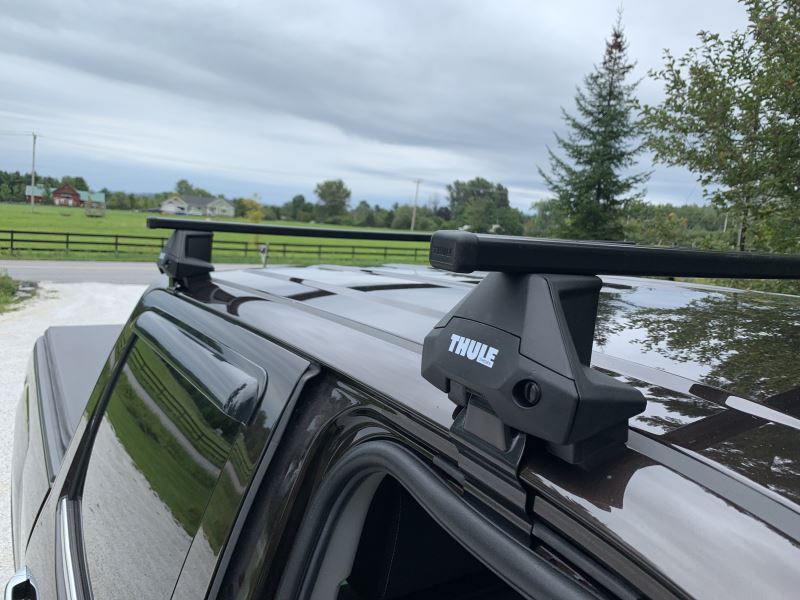



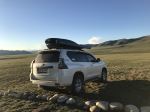

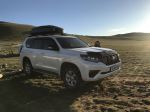


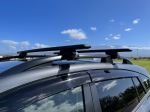


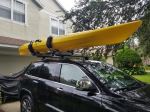










Shelly
5/20/2025
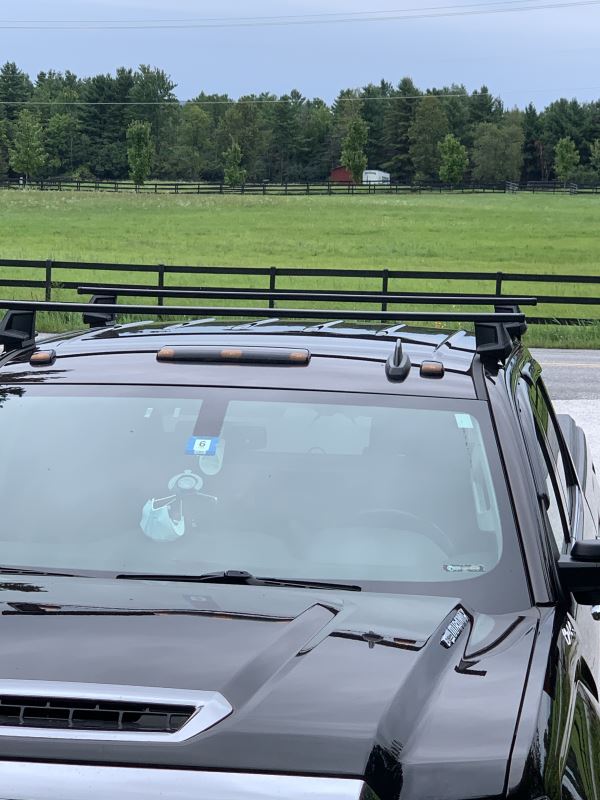
Continues to work out fine. We still only use it once a year. It was a lot of work to install properly, plus we have locks on it so we dont take it down.