Pick a thermostat-equipped RV fireplace to match your space and flame style. For replacements or new installs, confirm your cutout and overall dimensions, and choose curved or flat fronts to suit your setup. Some plug into a standard 110 volt three prong outlet, and certain models offer a temperature range of 65 F to 95 F with timers for set-and-forget warmth.
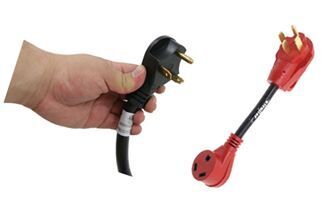
No, they use a standard 110 volt three prong plug-in. You can plug into a nearby outlet, and an extension cord can help distribute electrical load when needed. After plugging in, verify the thermostat responds and the heat settings work before buttoning up the install.
Match the cutout dimensions exactly to minimize cabinet work. Some replacements may be slightly wider, which can require trimming the cabinet sides. Verify overall and cutout sizes before ordering, and plan for a standard recessed mount. Plug the unit in and test heat and thermostat functions before fully securing it.
Pick a unit with a thermostat so you can set and hold your target temperature. Confirm your cabinet cutout matches the stated width, height, and depth to avoid trimming. These fireplaces are recessed mount, not wall mount, so plan a shelf or surround for a new install. Inspect the glass and test operation before finalizing install.
Yes, a thermostat lets the fireplace cycle heat to keep your RV warm, which can help reduce propane use. Look for a stated temperature range, such as 65 F to 95 F, if you want precise control. Some units have two heat settings but only one fan speed, so check the product details for how it manages airflow and noise.


 Filters
 RV Fireplaces Parts or Accessories