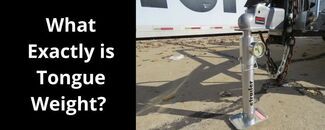
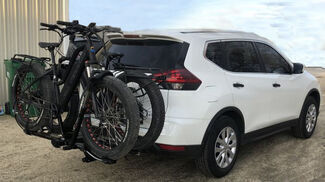
From gates to racks and trailer gear, a universal application padlock keeps it all locked down. Check shackle diameter and clearance to match small holes or wider couplers, and pick keyed alike sets if you want one key for multiple locks. If your setup lives in rain or salt air, factor corrosion resistance into your pick.
Yes, as long as the lock fits the hole and blocks movement. For hitch pins or rack handles, verify the lock goes through the intended hole and that the assembly can't separate with the lock on. A small-diameter shackle can help with tight clearances, and some setups may also benefit from a cable in addition to a padlock.
Yes, many options can be ordered keyed alike. Look for and select the keyed the same option so one key works across your locks. This helps when securing multiple trailers, doors, or spares so any key ring you grab can open them.
Start by matching the shackle diameter and clearance to the hole or hasp you're locking. Small holes on bike racks and accessories may need a thinner shackle, while wider couplers or gates need more clearance. Some locks were too large for a tongue or didn't engage a rack's mechanism, so confirm both fit and that the lock actually prevents parts from coming apart.
It can, but materials and care matter. Choose corrosion-resistant construction, use protective covers, and add periodic lubrication to reduce binding. We've seen locks seize after extended exposure to snow and rain, while others held up in salt air, so check for weather resistance if the lock will live outside.


 Filters
 Padlocks Parts or Accessories