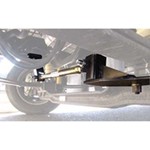
Keep your rig planted in gusty winds and when big trucks blow by, with noticeably less body roll in turns. Swapping the rear bar first often makes the biggest difference, and adding the front can further settle the drive. Installation is straightforward—mount brackets to the frame before hanging the bar to ease drilling—and be sure to match versions to stock or lifted rear ride height.
Yes, they help reduce body roll and the push from wind or big trucks, making highway driving feel more controlled. Choose a bar that's a clear upgrade over the stock piece. After installation, take a test drive and make any needed adjustments. Properly torqued hardware and correct end link angles help maximize stability.
Roadmaster focuses on top notch quality and the easiest install, which can cut install time. Hellwig works great once installed but isn't as easy to install and the hardware isn't quite as nice. If you value a simpler install and premium hardware, lean Roadmaster; if you're fine with a bit more effort, Hellwig is a solid choice.
Start with the rear anti-sway bar. Rear replacement makes a bigger difference in stability and helps resist sway and push from gusts and passing trucks. Verify your chassis and whether you have an OEM bar, then choose the correct rear kit. If you still want more control, add a front bar next.
Installation is generally straightforward. Mount the brackets to the frame first, then the bar to the axle to make drilling easier. If bracket holes seem large for the original nuts, have washers on hand to avoid delays. One person can do it, but a helper makes it easier. Recheck torque after your first drive.
Yes, but pick a bar built for your suspension height. Some bars are for stock ride height while others are for specific rear lift amounts, so verify your rear lift measurement. Off-road, some drivers disconnect end links to regain movement—check whether your setup allows that. Confirm 2WD/4WD compatibility before ordering.


 Anti-Sway Bars Parts or Accessories
 Filters