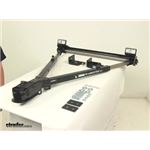
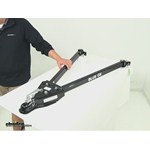
Dial in a solid flat tow setup with tow bars that fit Duncan base plates, pairing with the base plate kit instead of a bumper. If you have an older Duncan base plate kit, choose an option that includes the adapter. Pick a weight rating that matches your vehicle and head out with confidence.
Typically no—D-ring adapters for aftermarket bumpers are not offered for these tow bars. If you want to tow from D-rings, choose a tow bar and D-ring adapter with confirmed compatibility. Check with the bumper manufacturer to confirm it's rated for towing. When in doubt, use the Duncan base plates these bars are designed to connect to.
Yes, these tow bars install directly into a 2" hitch receiver on the motorhome. They do not mount directly to a vehicle bumper; they connect to the Duncan base plate on the towed vehicle. If you have a standard bumper, plan on installing a base plate kit. Make sure your tow vehicle and hitch are rated for your towed weight.
Hookup and disconnect can be quick when you choose a non-binding design. Non-binding arms help you hitch and unhitch without binding. Follow the instructions closely on your first setup, and verify both arms are fully locked before driving. If release is tough, recheck that the tow bar isn't loaded in a bind before unlatching.
Yes, you can use a tow bar storage cover to protect an RV-mounted bar when not in use. Pick a cover sized for RV-mount tow bars. Confirm the cover opening fits over the head and arms, and that it secures well for travel storage.
Yes, tow bars for Duncan base plates can work with older Duncan kits when the correct adapter is used. Some options include an adapter kit in the box. If not, add the matching adapter. Pick a weight rating that matches your vehicle, such as 6,000 lbs or 10,500 lbs. Verify your exact base plate style before ordering parts.


 Filters