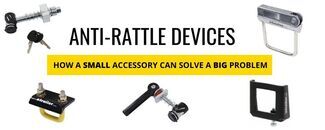
Built for confident footing, a mesh step sheds mud and water for traction, even in wet or snowy conditions. Expect a little movement in the receiver; add an anti-rattle device if you want it locked down solid. On vehicles with rear parking sensors, the step may be detected and you might need to adjust, relocate, or disable the sensors.
Assembly is typically straightforward, but instructions can be light. Lay out all parts first and follow the diagrams. Pre-drill small pilot holes if end cap screws resist tapping. After assembly, verify all hardware is tight and test fit in the hitch before use to check reach and shin clearance with the tailgate open.
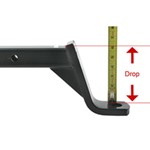
Mounting a step upside down to gain rise may be physically doable on some, but if it isn't tested, the weight capacity is unknown. Choose a design with built-in rise or additional steps if you need height. Measure from your hitch pin hole to the bumper and compare to the product's pin hole-to-step distance to confirm clearance.
Yes, the non-slip grate helps provide sure footing in wet and snowy conditions. Knock off packed snow or mud from the step and your shoes before climbing up. Step squarely on the platform and avoid the edge to reduce the chance of slipping.
A mesh hitch step is stable enough to stand on, but a little play in the receiver is normal due to built-in tolerances. Add an anti-rattle device to clamp the shank and reduce movement. Tighten any adjustment screws and make sure the shank size matches your hitch. A locking pin can secure it to the receiver.
It can in some vehicles. Sensor updates have caused steps like these to be detected, and it's hard to confirm without testing on your vehicle. Check that sensors aren't angled down toward the step, and adjust, relocate, or disable them if needed. If your sensors pick up a drop hitch, expect them to detect a hitch-mounted step too.


 Filters