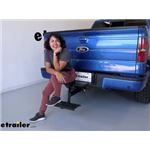
Step up with confidence—these hitch steps combine a fixed step with a mesh step surface for steady footing and traction. The open grate helps in wet or snowy conditions and sheds mud, while the fixed design keeps access consistent at the bumper. A little play in the receiver is normal; an anti-rattle device reduces movement. Capacities vary—look for 300 lbs, 350 pound, or 250-pound—then match your 2" trailer hitch and consider backup sensors.
Yes, a mesh fixed hitch step provides a non-slip grate that helps with traction in wet and snowy weather. Verify the step surface is an open grate to shed water and slush. Place your foot fully on the platform and avoid the edge to reduce slips. If you want more room, consider a wider platform style.
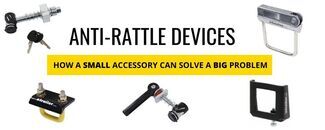
A fixed mesh hitch step can feel solid, but a little play in the receiver is normal due to built-in tolerances. Add an anti-rattle device to clamp the shank and reduce movement. If your step has adjustment screws at the bottom, snug them evenly. Match the shank to your hitch size and use a locking pin if you want security.
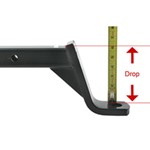
Confirm your hitch size and measure from the hitch pin hole to the bumper to place the platform where you need it. Some steps let you assemble the shank to sit a bit longer or shorter in the receiver. Watch shin clearance when the tailgate is down. During assembly, pre-drill for end cap screws if threading is tough, and lay out parts since instructions can be brief.
It can, depending on your vehicle's sensor setup. Some sensors detect steps like these, especially if they're angled down toward the step. Test your sensors after install, and adjust their angle, relocate them, or disable them if needed. If your hitch drop is detected, expect the step to be picked up too.


 Filters