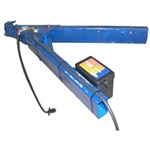
Steel ATV ramps deliver sturdy, long-lasting performance when loading your 4-wheeler onto a low trailer or into a truck bed. Choose a length that matches your loading height to keep the angle manageable; taller setups benefit from longer ramps to maintain performance. Check how the mounting tabs sit on your trailer lip or rail to prevent slipping, and consider folding or lighter designs for easier carry and storage.
Yes, Steel ATV ramps are a solid choice for low trailers and 4-wheelers. The heavy-duty build gives durability, and a mesh ramp surface can boost traction on dirt or wet ground. Set the ramps so you can roll up smoothly and keep an eye on the approach angle. If the angle feels steep, reposition or use a longer ramp to make loading easier.
Match the ramp's mounting tabs to the trailer lip or rail width for a solid seat. If you need a hook-over fit for a specific rail shape, consider adding brackets locally. Check any protective plastic on the tabs before first use and add dense foam where the ramp meets plastic or painted surfaces to help prevent scratches.
Choose a length that keeps the angle manageable. A steep setup can work but calls for caution when going up and down. Measure your trailer height and match it with a longer ramp if the angle feels too sharp. For taller trailer decks, going longer helps reduce the climb and improves control.
Steel ATV ramps can be easy to handle. Look for folding designs and built-in handles to move them side to side and stash them when not in use. Thin, compact profiles store neatly and can slide alongside gear. If hinges feel tight after use, check the hardware so they fold and unfold smoothly.
Inspect the hinge joints and hardware regularly. Nuts can tighten as the joints cycle, so recheck tension if the ramp starts to bind. If a safety chain is included, tether it when carrying to keep it from tangling underfoot. Expect some surface wear over time; verify the traction surface still grips before loading.


 48 Inch Long
 72 Inch Long
 80 Inch Long
 Filters