
Curt Trailer Hitch Receiver - Custom Fit - Class II - 1-1/4"


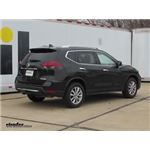
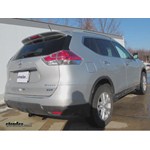
To see if this custom-fit item will work for you please tell us what vehicle you'll use it with.


Thank you! Your comment has been submitted successfully. You should be able to view your question/comment here within a few days.
Error submitting comment. Please try again momentarily.



With a 3,500 lbs maximum gross trailer weight and 350 lbs tongue weight, this Class II 1-1/4" receiver gives you the flexibility to tow small campers, boats, or utility trailers. It’s also strong enough for bike racks and cargo carriers when you need extra hauling space. The square-tube design offers solid support for light-duty towing and everyday gear transport.
The hitch is made from fully welded steel for dependable strength. A gloss black powder coat finish is layered over a protective base coat to resist rust, so it keeps looking good and performing well after plenty of road miles. The precision, robotic welding helps ensure consistent fit and long-term durability.
This hitch is built for a custom fit that lines up with existing mounting points on your vehicle, so you can bolt it right on—no drilling or welding needed. It comes complete with the mounting hardware and installation instructions, making it a DIY-friendly upgrade even if you’re working with basic tools in your driveway.
The concealed cross tube design keeps most of the hitch out of sight under the bumper, leaving only the receiver visible for a tidy, almost hidden appearance. It’s a practical way to add towing capability without changing the look of your vehicle.

Customer Satisfaction Score:
95% were satisfied with this product
5% of customers were not satisfied
Ratings & Reviews

Michael

8/5/2025
Its still doing the job just fine.

Akom
5/13/2021
No problems with the hitch, no rust.


Mike L.
7/7/2018
The mounting flanges on a trailer hitch are designed for straight line strength, not lateral strength. The flanges are actually designed to have some side to side give in them, so that if they get flexed during shipping, they can be easily bent back into place. As long as the powder coat didnt crack and there arent any cracks in the mounting flange itself, the hitch will work just fine after being bent back into place. You will want to flex the hitch back into position so that all the mounting hardware is used. You might only be carrying a bike rack for the time being, but in the future you might need to tow and might not recall that one of the mounting locations wasnt used. This would weaken the hitch to an unknown extent. Ill link you to a help article that shows a few different methods of manipulating the hitch back into place, which should be done before using the hitch.
Helpful Links

David W.
1/23/2019
I still like the Curt Trailer Hitch. I purchased it for a receiver hitch bike rake. It works perfect.
John
5/27/2016
No Problems, works great easy install
Rick
6/3/2020
Rock solid, great performance. etrailer.com is a great place to do business!
Do you have a question about this Trailer Hitch?
Info for this part was:
At etrailer we provide the best information available about the products we sell. We take the quality of our information seriously so that you can get the right part the first time. Let us know if anything is missing or if you have any questions.




































Laura E.
8/29/2017
Sounds like your hitch was flexed during shipping, Richard. The manufacturers of the hitches design them so that the frame attachment arms are made of mild steel so that they can flex. They do this to prevent stress fractures from occurring over time due to changes in temperature or impact from potholes, etc. Because they are made to flex, they can sometimes get knocked out of alignment causing the holes not to line up properly. To fix this, I usually hold the arm firmly in a table vise and use the cross tube like a lever. You can think of the connection between the tube and the arm as the pivot point, and you would basically be opening up the angle. If a table vise is not available, an open step can also be used for leverage on the arm. If the hitch is only off by a small margin and you can get the bolts in on one side, you can also attach the one side and use a pry bar or board to push the other arm into place. Once the holes line up, get a bolt in place to keep the arm from moving back.You should be able to tell which side has been flexed if you lay the hitch flat on the floor and look down on top of it. If it looks like both arms were knocked toward each other, you can use a jack and a board to spread them apart.