


Chill Cube RV Air Conditioner w/ Heat Pump Power Supply
Published 04/09/2026
Products Featured in This Question

Question:
Do you also need 12 volt to use the ac chill cube with heat pump or JUST the 110
asked by: Amie
Expert Reply:
Thanks for reaching out Amie,
You don’t need 12-volt power to actually run the unit for heating or cooling. The Chill Cube runs off standard 120-volt power, so as long as you’re plugged into shore power or running a generator, you’ll be all set. The heat pump is electric and uses that same 120V supply to operate.
This doesn't pertain to you but with some setups, there may be a small 12V connection for the controls or thermostat, but that’s minimal and separate from the main power.
Are you usually plugged into shore power, or running off a generator when using the A/C?


Product Page this Question was Asked From
Furrion Variable Speed Chill Cube RV AC w/ Heat Pump & Ceiling Assembly - 18K Btu - Non-Ducted - R32


- RV Air Conditioners
- Complete AC System
- Heat and Cool
- 18000 Btu
- Standard Height
- Single Zone
- Rooftop
- Non-Ducted
- Black
- Furrion
more information >

Continue Researching
- Shop: Furrion Variable Speed Chill Cube RV AC w/ Heat Pump & Ceiling Assembly - 18K Btu - Non-Ducted - R32
- Video: Review of Furrion RV Air Conditioners - Black 18K BTU Variable Speed Chill Cube Ductless - FR87TQ
- Shop: etrailer Anti-Rattle Hitch Collar for 2.5" Hitch Receivers
- Search Results: rv air conditioners
- Shop: Replacement Terminal Block for Furrion Arctic RV Refrigerator
- Q&A: Is there a Black Version of Furrion Chill Low-Profile RV AC with Heat Pump
- Q&A: Does etrailer Carry Furrion Chill Cube w/ Heat Pump to Replace Dometic Duo-Therm
- Q&A: Recommended Furrion Chill Cube RV Air Conditioner w/ Heat Pump for a Ductless Setup
- Q&A: Replacement AC With Heat Pump for RV
- Shop: Ultra-Fab Electric A-Frame Jack w/ 2-1/4" Tubing - Drop Leg - 23-1/2" Lift - 3,500 lbs
- Shop: Ultra-Fab Protective Cover for Electric A-Frame Jacks - Vinyl - 10-1/2" x 13-3/4"
- Shop: Coleman-Mach Roughneck Mach 15 RV Air Conditioner System - 15K Btu - Ducted - Textured White - R32
- Shop: Suspension Enhancement
- Shop: TecNiq Load Ramp Light - 2000 Lumens - 7-7/16" Wide - Black Aluminum - 12V
- Search Results: 30 amp inlet
- Video: GFCI Outlet Cover Feature Review
- Q&A: Can Ventline Vanair Trailer Roof Vent w/ 12V Fan Install on Side Wall of Trailer
- Video: Detailed Breakdown of the Ventline Vanair Trailer Roof Vent w/ 12V Fan
- Video: All You Need to Know About the MaxxFan Dome Roof Vent w/ 12V Fan
- Q&A: Do you Have a 12 Volt Exhaust Fan that I Can Install on the Side of the Wall?
- Q&A: Recommended Secured Cover for GFCI Outlets on Side of RV
- Search Results: powermax rv power converter
- Shop: Trailer Hitch
- Search Results: trailer hitch
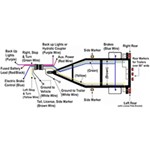
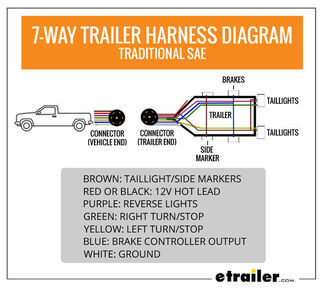
- Article: Trailer Wiring Diagrams
- Article: Brake Controller 7- and 4-Way Installation Kit (ETBC7)
- Shop: Trailer Wiring
- Search Results: trailer tires and wheels
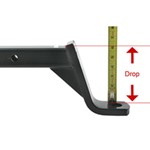
- Article: How to Measure for Trailer Hitch Drop
- Shop: Brake Controller

on RV Air Conditioners





Amie
4/9/2026
We will be using shore power or generator , just curious if a 12 volt wire would have to be connected also because we are doing a new build