How to Increase Braking Power on a Trailer with 7,000 Lb Axles
Updated 04/23/2018 | Published 04/19/2018
Question:
When pulling my 5th wheel trailer, especially when coming down a large mountain Utah and Colorado was my last trip, my trailer brakes just feel inadequate! The trailer gross weight rating is 16000 and fully loaded with fuel, water, and my RZR, it weighed in at 16,300. I know, I need to lose some weight! Anyway, the trailer is a two axle trailer with two 7000 lbs axles. I always adjust them manually once a year when I pack the bearings. I dont feel that the stock brakes are enough to slow the trailer. I have tried to just use the trailer brakes to see how strong they stop, and I feel the are very weak. Is there an upgrade for my situation? I never like that a manufacturer uses a two axle trailer for this much weight. I get the math and yes I have the right amount on my truck. I just think a three axle would be so much safer for the weight and for the braking!
asked by: David
Helpful Expert Reply:

Since you are exceeding the trailer's gross vehicle weight rating (GVWR), the braking power is surely to be compromised. I would first recommend increasing the gain on your vehicle's brake controller. This will help to increase the braking power on your trailer. If increasing the gain does not provide adequate stopping power then you will want to consider switching to disc brakes as disc brakes have more stopping power than drum brakes.
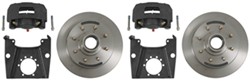
In order to recommend the correct disc brake kit for you I would need to know the inner and outer bearing numbers on your trailer in addition to the wheel's bolt pattern. For example, the Kodiak Disc Brake Kit part # K2HR712 uses a 25580 inner/14125A outer bearing and works with wheels that have a 8 on 6-1/2" bolt pattern.
I have also attached a help article on adding disc brakes to a trailer to give you a better idea of what all is involved.


Product Page this Question was Asked From
Kodiak Disc Brake Kit - 13" Hub/Rotor - 8 on 6-1/2 - Raw Finish - 7,000 lbs

- Accessories and Parts
- Trailer Brakes
- Disc Brakes
- LH
- RH
- 7000 lbs
- Brake Assembly
- 8 on 6-1/2
- Hub and Rotor Assembly
- Kodiak
more information >
Featured Help Information
Instructions
Miscellaneous Media

Continue Researching
- Search Results: trailer leaf spring suspension
- Search Results: trailer brakes
- Search Results: trailer suspension parts
- Shop: Lippert U-Bolt and Nut Kit w/ Tie Plates for 8,000-lb Trailer Axles - 3" Wide
- Shop: 7-Leaf Double-Eye Spring for 8,000-lb Trailer Axles - 24-7/8" - Black
- Shop: Easy Grease Trailer Hub and Drum Assembly for 7K Axles - 12" - 8 on 6-1/2 - Pre-Greased
- Shop: Spindle Nut Kit for EZ Lube Axles
- Shop: Dexter Nev-R-Adjust Electric Trailer Brake Assembly - 12" - Left Hand - 7,000 lbs
- Shop: Dexter Nev-R-Adjust Electric Trailer Brake Assembly - 12" - Right Hand - 7,000 lbs
- Shop: Hydrastar Oil Bath Disc Brake Kit w/ Actuator - Tandem Axle - 13" Hub/Rotor - 8 on 6-1/2 - 7K
- Q&A: Install Video for Trailer Spindle Castle Nut
- Q&A: Comparing the E-Z Lube Hubs to the Standard Hub Assemblies for Trailer Axles
- Q&A: Availability of Replacement for Trailer Hub/Brake Drum 92865A-1
- Video: Cleaning and Replacing Hubs and Bearings
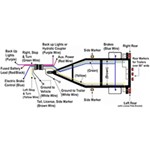
- Article: Trailer Wiring Diagrams
- Search Results: trailer hitch
- Shop: Trailer Hitch
- Q&A: Lug Nut Torque Chart for Trailer Wheels
- Shop: Trailer Wiring
- Search Results: trailer tires and wheels
- Q&A: Best Suspension Upgrade for 33" Tandem Axles: Road Armor vs Dexter EZ Flex for Ember 22ETS
- Article: Brake Controller 7- and 4-Way Installation Kit (ETBC7)
- Article: How to Measure Your Trailer Wheel Bolt Pattern
- Search Results: trailer jack
- Shop: Suspension Enhancement
- Video: Measuring To Choose The Right Trailer Axle
- Shop: Brake Controller
- Article: How to Measure for Trailer Hitch Drop
- Q&A: What is a #84 Spindle and How Do I Know I Have One On My Trailer?
- Video: How to Choose a Trailer Brake Controller

on Accessories and Parts