Hook up fast for recoveries, yard work, and trail pulls. Choose bolt-on tow hooks for frames and bumpers or receiver-mounted options that slide into a 2 inch hitch, often secured with a 5/8 inch pin. Match the hook's capacity to your hitch and vehicle, and verify mounting hole spacing and bolt size before you drill. Works with tow straps or chains for quick, secure connections.
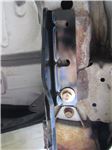
Measure center-to-center spacing and compare to the hook's spec. Some hooks are about 1-1/2 inches on center, others 1-3/8 inches. Check the bolt-hole diameter too; some use 3/8 inch holes. If your spacing doesn't match, plan on drilling or consider a receiver-mounted option instead.
Follow the hook's working load, but your real limit is the lowest-rated part of your setup—hook, hitch, or vehicle. Some hooks have very high ratings, yet your hitch or vehicle rating can be lower. In tough recoveries like deep mud, loads can spike, so pick gear with suitable ratings and stick to the lowest rating in the system.
A latch or clasp helps keep a sling from dropping when slack; not all hooks include one, so verify if you want it. Bright finishes can make the hook easier to see in mud or low light. A locking hitch pin helps secure a receiver-mounted hook. If you run a bull bar or tight bumper space, a bolt-on to the frame or a receiver-mounted hook can be a better fit than dedicated bull-bar hooks.
If you have a 2 inch hitch, a receiver-mounted hook slides in and uses a 5/8 inch pin for quick recovery work. For bumpers or frames, a bolt-on hook is a solid choice, but it isn't vehicle-specific and may require drilling. Measure your mounting-hole spacing and bolt-hole size—common spacings include about 1-1/2 inches on center or 1-3/8 inches—then match the specs.


 Tow Hooks Parts or Accessories
 Filters