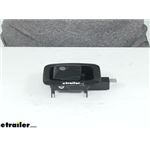
Keep your pop-up camper secured with latches made for RV door parts. These are not self locking, and you can feed a lock through the loop when you want extra security. In corrosive environments, zinc-coated options help resist rust; match your latch and catch style and hole spacing for an easy swap.
They are not self locking. To lock them, feed a lock through the loop. If you want them to stay non-locked, just use them without a lock.
You can if the thread matches. One common hook bolt is size 12 with 20 threads per inch, so verify your latch uses the same size and thread before mixing parts. If unsure, replacing the full latch and catch removes the guesswork.
Measure your current setup and compare to the latch's adjustability. One option has an adjustment range of about 1/2" and a distance of approximately 5-1/4" from the bottom fastener holes on the latch body to the catch holes. If yours differs, check for an adjustable design or plan to replace the whole latch and catch together.
Installation can be straightforward. Some install into existing screw and rivet holes, making alignment simple. Watch hardware choice—Philips screws can strip during install, so use a properly fitting driver or reuse existing screws if they bite better. Check that new latches match your original hole layout.
Zinc-coated versions help resist rust. If the coating gets scratched or wears through, exposed steel can rust, so inspect contact points. Stainless options are not available, so choosing a coated latch and keeping the finish intact helps in salty, humid environments.


 Filters