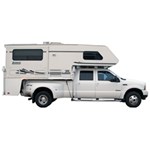
Power needs vary in RVs, and Velit offers options that include DC units intended for a 24 volt setup. The 9000 Btu capacity helps you size your system, and verifying whether your rig provides 110 AC or DC power—especially 24 volt—keeps compatibility on track.
Yes, they're intended for a 24 volt setup. Check whether your rig already has 24V available; if not, add a DC-DC converter and proper cabling. Make sure the existing bedroom circuit isn't only 110 AC and plan to isolate it. Verify inverter-off usage by feeding DC power directly rather than through the inverter.
No, changing to DC usually takes more work. You'll be moving from a 110 AC circuit to 24V DC, adding a converter if you lack 24V, and running new wiring. For a quicker swap, staying with 110 AC can be easier. If you choose DC, map the power path and confirm current capacity before committing.
It can be, since these are quiet DC air conditioners. To get the benefit, power it with 24V DC and bypass the 110 AC line that feeds many bedroom units. Confirm mounting and ducting needs match your space. If noise remains, check vibration isolation and airflow path.
Yes, if you supply 24V DC directly. Most RV bedroom ACs are on 110 AC wiring, so plan for rewiring to DC. If you don't have a 24V system, use a 12V-to-24V converter sized for the unit's current draw—don't assume 40 amp; verify required amps. Confirm you're replacing a DC unit before planning a simple plug-in swap.


 Filters