
Tips on How To Tow a Trailer
The weight capacities of the tow vehicle, the trailer hitch, ballmount, ball, and safety chains must not be exceeded by the gross trailer weight (GTW). The towing system will only be as strong as the weakest piece.
Gross Trailer Weight (GTW) - the weight of the loaded trailer. To determine GTW, weigh the loaded trailer on a vehicle scale.
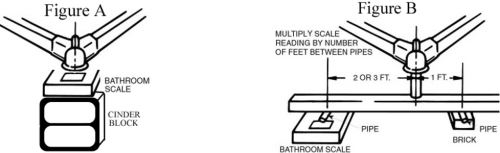
Tongue Weight (TW) - the downward pressure placed on the ball by the coupler. On smaller trailers the TW can be measured using a bathroom scale and a box. On a level surface, place the coupler of the loaded trailer on the scale at normal towing height (Figure A). For heavier tongue weights, use the method diagrammed below (Figure B) or use a tongue weight scale.
Trailer Loading
The way you load the trailer can determine how easy you can tow it. While loading, keep in mind that the tongue weight should be 10% to 15% of the overall trailer weight. One of the main causes of trailer sway is not having a large enough percentage of trailer tongue weight compared to gross trailer weight. To help prevent the trailer from swaying back and forth, a few things can be done. Try placing heavier cargo in the front of the trailer, ahead of the trailer's axle. Also center the cargo left-to-right and use tie-downs to keep the load from sliding.
Trailer Sway can also lead to a loss of vehicle control. When starting out with a new load on a trailer, make sure it will not sway by gradually increasing your speed in intervals until highway speed is reached. If the trailer does begin to sway, try adjusting the cargo and equipment accordingly and then repeat the test. If repositioning the load and equipment did not help reduce the sway, a sway control or a weight distribution system with sway control may be needed.
Driving
The addition of a trailer adds weight and length to the tow vehicle. More weight means more time to speed up and more importantly, slow down. Overall handling is also affected. When towing, allow for extra time when switching lanes, stopping and passing other vehicles. To assist in slowing down, trailer brakes are a very good option. The extra length can also cause problems on turns. Because the trailer does not follow the exact path as the vehicle on turns, remember to swing out wider when traveling around bends and corners.
To conserve fuel when towing, travel at moderate speeds. Faster speeds increase wind resistance, reduce gas mileage, and place added strain on the vehicle and trailer. When traveling over large hills or down gravel roads, use a lower gear to ease transmission and engine operation. Shifting out of overdrive and into a lower gear may also improve vehicle gas mileage.
Be extra cautious of potholes and other large bumps. Riding over one can damage the tow vehicle, trailer hitch and/or trailer. When pulling a trailer take your time and be careful.
If for some reason (a gust of wind, a downgrade, a pass by a larger vehicle, etc.) the trailer does begin to sway, the driver needs to assess the situation to determine the proper course of action. Here is a list of Do's and Don'ts to think about.
Do's - Good Towing Practice
- Gradually reduce speed
- Steady the steering wheel - sudden turns can cause more sway
- Apply only the trailer brakes to help reduce trailer sway
Don'ts - NOT Good Towing Practice
- Do Not slam on the brakes - jackknifing could occur
- Do Not attempt to steer out of a sway situation
- Do Not increase speed - Trailer sway increases in faster speeds
- Do Not tow a trailer that continues to sway
- Look at reloading the trailer or perhaps adding a sway control or a weight distribution system with sway control
Trailer Towing Components
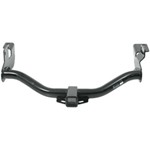
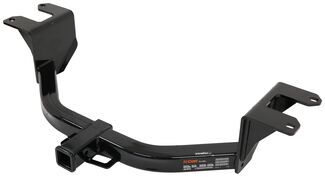
Trailer Hitches
Hitches are specific to each vehicle and are rated accordingly. To find out how much your vehicle can tow,
see the owner's manual. To find out how much weight the trailer hitch can tow
look at the sticker on the hitch. Two ratings will normally appear on the sticker, weight carrying and weight distributing.
Weight carrying is towing with a ballmount. Weight distributing
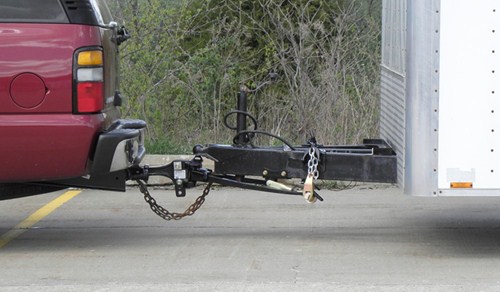
is towing with a system that includes spring bars that attach to the trailer. To help distribute the load. For more information on trailer
hitches, check out our trailer hitch FAQ
page.
If you still need a trailer hitch for your vehicle, see the Hitch Huntertm.
Weight Distribution
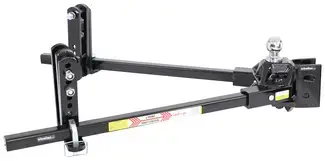
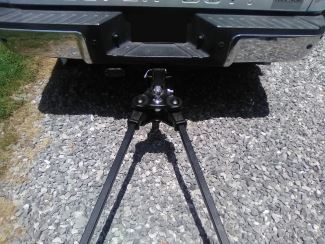
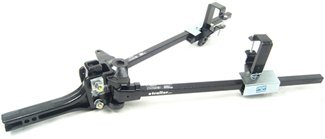
Weight Distribution Systems are recommended if the vehicle is pulling a trailer that weighs more than 50% of the tow vehicle. The systems improve
braking and handling while increasing the towing capacity of some trailer hitches. To find out more about how
and if a weight distribution system will work for you, see our
weight distribution FAQ
page.
Ballmounts
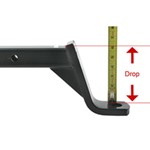
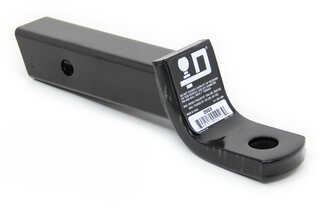
Keep in mind the trailer's gross trailer weight and tongue weight when selecting a ballmount for the trailer hitch.
class III ballmounts are selected not only with gross trailer weight in mind,
but also trailer height. The more level the trailer, the easier it is to pull. Information is available to aid in selecting
the correct ballmount in our Step by Step
guide. Class I and Class II
ballmounts are specific for each vehicle and are recommended by the hitch manufacturer. To find to find a ballmount for a
Class I or II hitch, use the Hitch Huntertm.
Hitch Balls
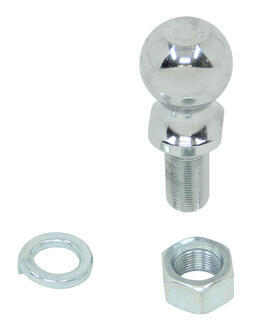
Always make sure the hitch ball weight rating is greater than the gross trailer weight. As for the hole diameter on the ballmount, it must be less than 1/16" greater than the ball shank diameter. When tightening, always use the lock washer and make sure a portion of the ball shank extends past the bottom the nut.
Information Needed to get the Correct Ball
- Gross trailer weight (GTW)
- Hole diameter on the ballmount
- Ballmount platform thickness
- Trailer coupler size
Trailer Wiring
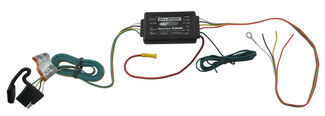
Always make sure the turn signals, brake lights, tail lights, electric brakes, and breakaway switches are working on
the trailer prior to each use. If the trailer has some wiring problems, a wiring diagram is available which shows the
proper way to install trailer wiring on our Wiring FAQ
page. Replacement trailer connectors
are also available. Always be sure to find a good
secure ground on the trailer and also on the tow vehicle. If the vehicle still needs to be wired, we offer a
Plug-N-Towâ„¢
harnesses for most applications. For more wiring information see our
Wiring FAQ
page.
Trailer Couplers
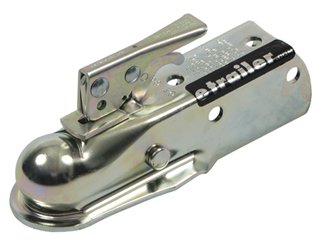
The inside of the coupler should be clean and slightly lubricated with grease. This will help prevent binding during turning and help any moving parts inside the coupler move smoother.
Safety Chains
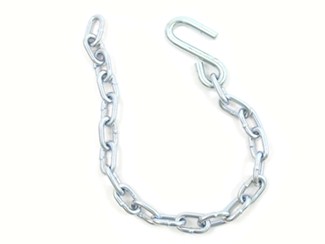
Always connect the trailer's safety chains securely to the trailer hitch or tow vehicle by crossing them underneath the coupler. The safety chains should only be long enough to allow for tight turns. Anything longer may weaken the safety feature of the chains if other connections fail. Also make sure the chains cannot wiggle or bounce free and do not let them drag on the ground.
Sway Controls
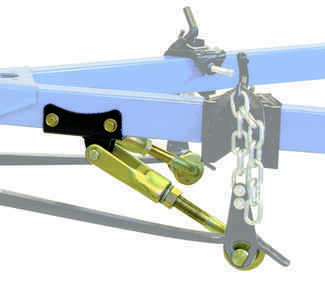
Available in three different styles, sway controls reduce the effects of wind gusts and sudden maneuvering by applying
resistance to the trailer and vehicle with respect to each other. Aside for trailers with a large surface area, such as
enclosed or travel trailers, sway controls are also used on trailers with a low tongue weight percentage.
For more information see our weight distribution FAQ page
.
Trailer Tires
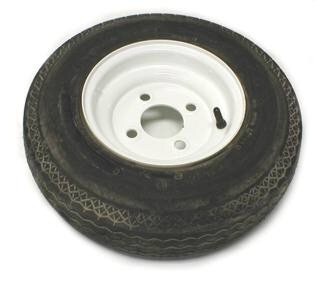
Check tire inflation and tread wear often. Fill the tires to match manufacturer's guidelines. Tires with too much or too little air pressure can cause the trailer to sway.
Trailer Towing Mirrors
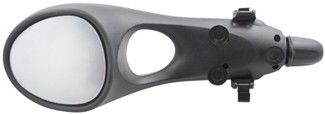
Available in a custom or universal fit, towing mirrors increase visibility by allowing the driver to see the end of the trailer. This makes backing up and passing other vehicles much easier and safer.
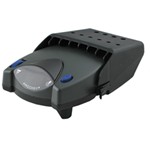
Electric Trailer Brake Controls
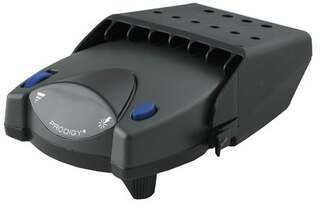
For use with trailers that have electric brakes, electric brake controllers send the signal that applies the
trailer's brakes. For more information, see our Brake Controller FAQ
page.
Transmission Coolers
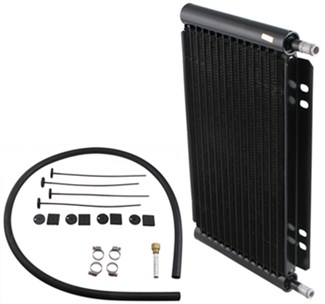
A must for all towing vehicles with automatic transmissions. Transmission coolers lower the operating temperature of the oil by up to 60 degrees. Every 20 degree drop in temperature can double both oil and equipment life by reducing deposits and stress on the seals. Overheating causes 90% of transmission failures.
Trailer Bearings, Races, & Seals
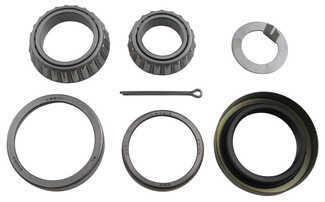
Another important area to be aware of is the trailer bearings, races, and seals. The bearings, races, and seals are all vital parts that should be
kept in good repair in order to keep your trailer working correctly. If the bearings are not working correctly, the internal rollers are not moving
freely, it could cause damage to the spindle and hub assembly. If the bearings are not properly greased, they can get so hot that they will
actually weld themselves to spindle assembly. In order to prevent this the wheel bearings should be repacked every 6,000 miles or every 12 months.
Pulling the trailer more often will actually help to distribute the grease throughout the bearing.
For more information on wheel bearing packing, check out our wheel bearing packing FAQ
page.
Help
Wiring Trailer Lights ReviewTrailer Service Help
Recent Questions and Answers
View All Trailer Service Questions
Question:
I have a Weekend Warrior FSW 3200 toyhauler and when I apply the brakes a howling or squueking comes from one of the brakes...do you know what causes this?
asked by: Bob last update: June 9, 2009
Reply:
The most likely culprit is worn brake components. Check the pads, make sure the drum is in good condition, make sure there isn't any front to back play in the magnet actuator arm. Chances are, this is what is causing the sound you are hearing.
reply by: Mike
Question:
I have a Shorelandr boat trailer. I would like to know the type of grease that I should use for the wheel bearings. I have a can of #11380 grease, but I dont know if I should use this, since they say that I shouldnt mix greases. Can you help me? Also, I wonder if your Mini grease gun kit would be all right to use.
asked by: Fred last update: June 9, 2009
Reply:
For boat trailers, we recommend the Lubrimatic Marine Grease. You do not want to mix different types of grease. We sell the Grease and Mini Grease Gun together as a kit.
reply by: Mike
Question:
I have a trailer that has a 3,500 LBS axle. The total weight of the trailer & my load is, 3,000 LBS. My leaf springs has a 1,750 LBS rating. They go flat when loaded, is this ok, or do I need heaver springs? I have another question about the springs, what do the shackles do? Can you mount the springs with out the shackles? And I also have a probem with my tires waring on the outside & inside of the tires on both sides of the trailer. The tires are rated for 1,750 LBS. I put 50 LBS in the tires like it says. So, does the springs have anything to do with the ware on the tires.
asked by: Craig last update: June 3, 2009
Reply:
The tire wear you describe indicates that either the trailer is overloaded or the suspension is loose, damaged, or worn. Let's start with your leaf springs. From your description, it sounds as if they are worn out, or perhaps you have some other loose or worn suspension parts. They should not completely flatten when the trailer is loaded. Once the springs are flat, you essentially have no suspension. Check the bushings on your leaf springs, they might be worn as well. Closely examine the rest of your suspension parts, make sure everything is tight. Another possibility is that your axle might be bent. The shackle links are what allow your leaf springs to flex, I wouldn't recommend removing them.
reply by: Mike
Question:
I have a 2000 Coleman popup camper with electric brakes. When applying brakes they tend to surge like they are grabbing. I have removed the drum for inspection, cleaned the assembly and repacked the bearings. There is plenty of brake lining left and no grease or oil on the shoes. However it did seem that the magnets were binding on the post. I sprayed brake cleaner on them and now they move more freely but I still have the grabbing affect but not nearly as prevelent. Is this a sign that the magnets are going out or something else failing?
asked by: Phil last update: May 30, 2009
Reply:
I believe your trailer brakes are out of adjustment. To adjust the trailer brakes, first jack up the trailer so that the one wheel is off the ground. Obtain a brake adjusting tool (available at any auto parts store). On the rear of the brake assembly, there is a rubber plug which needs to be removed, exposing the adjuster. Next, insert the adjusting tool into the hole, and use the tool to catch the teeth in the adjuster. Tighten until you can no longer turn the wheel by hand. Then back it off, or loosen it, by 10 clicks. This should leave a very slight drag on the wheel. Then repeat with each wheel. This should solve your problem.
reply by: Mike
Question:
what is the proper way to adjust my trailer brakes.the adjuster has an adjuster gear on each end,looks like one for each shoe.
asked by: Richard last update: May 26, 2009
Reply:
To adjust the trailer brakes, first jack up the trailer so that the one wheel is off the ground. Obtain a brake adjusting tool (available at any auto parts store). On the rear of the brake assembly, there is a rubber plug which needs to be removed, exposing the adjuster. Next, insert the adjusting tool into the hole, and use the tool to catch the teeth in the adjuster. Tighten until you can no longer turn the wheel by hand. Then back it off, or loosen it, by 10 clicks. This should leave a very slight drag on the wheel. Then repeat with each wheel.
reply by: Mike
Question:
What is the typical range for the labor cost associated with replacing the Hub Assembly on a standard trailer?
asked by: Tanecia last update: May 20, 2009
Reply:
At our installation facility, the typical labor time to replace a hub assembly is 1 hour per axle. This assumes that the spindle isn't damaged.
reply by: Mike
Question:
I have a 2001 Tracker Trailstar with my Tracker 175 ProTeam boat. It uses a zerk fitting on the end of the axle to get grease to the inner and outer bearings. If I remove the zerk fitting and put on Bearing Buddies, will it still get grease to the inner bearings?
asked by: Tom last update: May 16, 2009
Reply:
If the zerk fitting is threaded in, it would be possible to remove it and use the bearing buddies. The bearings should still receive the necessary grease.
reply by: Mike
Question:
I bought a set of electric break assemblys for my trailer and need to know how to wire the breaks on the trailer. There is only two wires, I know the break is blue but where does the other one go to the ground or somewhare else, and does it matter which wire goes whers they are both green on the break it self only one is longer than the other. My vehicle is already set up for the breaks but I have never hooked the trailer side up before.
asked by: Steven last update: May 13, 2009
Reply:
Each brake magnet will have two wires coming off of it. One wire (it doesn't matter which, as the brake magnets have no polarity) would ground to the trailer frame, and the other would connect to the brake output (blue) wire.
reply by: Mike
Question:
I bought Coleman tent trailer. It has wiring going to the wheels for trailer brakes. 1. Do I service the brakes just like a car? Turning the drums, etc? 2. How can I tell if the brakes are working? 3. If all of the above, do they self adjust?
asked by: Billy last update: May 13, 2009
Reply:
The trailer brakes would be serviced just like typical automotive drum brakes. The easiest way to test their function would be to tow your trailer to a large parking lot, and while driving at 20 mph, apply just the trailer brakes by using the manual override switch. You should feel some resistance from the trailer brakes. The brakes do not self adjust, you'll have to use an adjusting tool. To adjust the trailer brakes, first jack up the trailer so that the one wheel is off of the ground. Obtain a brake adjusting tool (available at any auto parts store). On the rear of the brake assembly, there is a rubber plug which needs to be removed, exposing the adjuster. Next, insert the adjusting tool into the hole, and use the tool to catch the teeth in the adjuster. Tighten until you can no longer turn the wheel by hand. Then back it off, or loosen it, by 10 clicks. This should leave a very slight drag on the wheel. Then repeat with each wheel.
reply by: Mike
Question:
Howdo I lubricate the bearings on my Tracker Marine L.P.Trailstar boat trailer?
asked by: Tom last update: May 7, 2009
Reply:
The procedure will vary depending on your hub/spindle setup. If you have the bearing buddies, or the EZ-lube spindles, simply use a grease gun on the zerk fitting. If you have a standard hub, you'll have to disassemble the hub and clean, examine, and repack the bearings. We have a whole series of instructional videos that show how to keep your trailer hubs maintained.
reply by: Mike
Question:
I want to raise the height of 5th wheel trailer, tandum axel, I want to move the leaf springs down two notches on the leaf spring holders risers. Can this be done by just raiseing the trailer to relieve pressure on each leaf holder or do I need to raise the entire trailer and have all 4 wheels offthe ground???
asked by: Glenn last update: May 7, 2009
Reply:
To relieve the pressure on the leaf springs, you'll have to get all 4 wheels off the ground.
reply by: Mike