


Bulges in Sidewall of Goodyear ST225/75R15 Trailer Tire
Updated 08/28/2018 | Published 08/27/2018
Question:
My 40foot gooseneck trailer tri axle rear tire did the same thing as the above post. Tire grew in the center, or egged shape and was running hot. Start at 65 lbs. Pressure before trip on all six tires. When we checked it at the rest stop, 5 tires were cold, rear one was hot and built up to 75lbs. Let some air out to 65 lbs. In hopes to make it home after the 1000 mile trip. Didnt make it. Thinking of changing all 6 tires to a F rated to eliminate any issue somewhat. This trailer is stored inside year around with few miles on it. But tires are 5 years old. As would my new F rated trailer tires need replacing every 5 years. Sound rediculous to me?
asked by: Jim
Helpful Expert Reply:

If there are bulges in the tire then this is an indication of a broken band and the tire should no longer be used. Please keep in mind that Goodyear Endurance Trailer tires use a unique fill chart which correlates to the weight of the trailer and size of the tire. The broken band could be a result of overloading the trailer, improper air pressure, or just a defect in the tire. Due to the age of your tires I would say they are time to be replaced. Please keep in mind that if the tires are not stored properly then this could shorten their life.
For replacement, I recommend using the Westlake ST225/75R15 Radial Trailer Tire part # LHWL304 which have a load range E rating. You do not need load range F tires unless your trailer exceeds 16,980 lbs. These tires have a 75 mph speed rating and come with an unheard of five year warranty with two years having complimentary roadside assistance. If your RV or trailer has a flat tire, call the help line and a technician will come change the flat for you. You can call 24 hours a day, 7 days a week, and 365 days a year from anywhere in the United States, Canada, or Puerto Rico.
Our experience shows that the most beneficial way to store a trailer tire over the winter or multiple month periods of non-use involves taking the tires off the trailer and storing them stacked in a cool and dry dark environment. You will also want to let out some of the air using this method. The other option would be to raise the trailer up so the tires are not making contact with the ground. It doesn't matter whether you leave the air in or take it out as long as the tires are not bearing a load.
The reason for this is that the sun's UV ray can create an excessive amount of wear on the rubber sidewall causing them to crack in addition to flat spotting when left inflated with a bearing load.

Product Page this Question was Asked From
Westlake ST225/75R15 Radial Trailer Tire - Load Range E
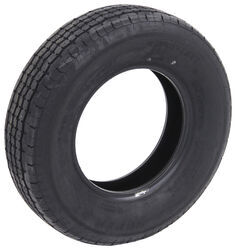

- Trailer Tires and Wheels
- Tire Only
- Radial Tire
- Load Range E
- 225/75-15
- 15 Inch
- L - 75 mph
- Westlake
more information >
Featured Help Information
Miscellaneous Media

Continue Researching
- Search Results: trailer tires and wheels
- Shop: Big Truck Big RV Tongue Weight Scale w/ Storage Bag for Trailers - 2,000 lbs - Adjustable
- Shop: Dexter Trailer Hub and Drum Assembly for 2,000-lb Axles - 7" - 5 on 4-1/2
- Shop: Dexter Trailer Hub and Drum Assembly for 2,000-lb E-Z Lube Axles - 7" Diameter - 5 on 4-1/2
- Shop: Dexter Trailer Hub & Drum Assembly for 3,500-lb Axles - 10" Diameter - 5 on 4-1/2 - Pre-Greased
- Shop: Dexter Trailer Hub and Drum Assembly for 3,500-lb Axles - 10" Diameter - 5 on 4-1/2
- Shop: TorkLift Locking FastGun Turnbuckles for Bed-Mounted and Frame-Mounted Tie-Downs - Polished - Qty 4
- Shop: BioLite AlpenGlow 250 Lantern and USB Power Hub - Rechargeable - 250 Lumens
- Q&A: Difference Between Trailer Tire Sizes ST205/75R15 and ST225/75R15
- Q&A: Bearing and Grease Seal Kit for Rockwood 1640 LTD
- Q&A: RV Water Inlet Replacement for 2001 Country Coach
- Q&A: Heavy Duty 235/75R15 Off-Road Trailer Tire For A Forest River Geo Pro/ e Pro 19FD
- Q&A: Are Trailer Wheels Hub Centric Or Lug Centric? Maxxis ST235/80R16 16" Eagle Aluminum Wheel MXS59FR
- Q&A: Replacement Tires and Wheels for a Utility Trailer with P185/70R14 Tires and 5 on 4-1/2 Wheels
- Q&A: How to Determine if a Trailer Wheel is Hub-centeric or Lug-centric
- Article: Brake Controller 7- and 4-Way Installation Kit (ETBC7)
- Article: How to Measure Your Trailer Wheel Bolt Pattern
- Article: 7 Common Questions Everyone Has About Trailer Tires
- Article: 5 Things to Know About Weight Distribution Hitches
- Article: Camping Tips for First-Time RVers
- Article: Trailer Tire Sizing
- Article: Towing a Trailer? Let's Talk About Brake Controllers