Smart sizing pays off: a 26 inch wide slide fits tighter pass-throughs, and listed widths are 1/4" smaller than the stated dimension to help clear door openings. With 60 percent extension, you can reach toolboxes and bulky gear without dragging everything out, and if the compartment lip is tall, a height adjustment kit adds 2-1/2", 2-3/4", or 3-1/8" of lift for smooth travel.
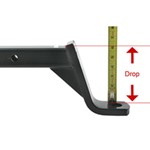
The tray surface sits about 1.6 inches above the mounting floor. If your compartment lip is taller, a height adjustment kit can raise the tray 2-1/2, 2-3/4, or 3-1/8 inches. Check for any center cross support under the tray that could hit the door frame; adding a thin spacer (for example around 3/8 inch) under the frame can help create the clearance you need.
Yes, it provides quick reach to gear without unloading the whole bay. It works well for items like toolboxes and small appliances. If you want access from both sides, choose a 2-way slide. Before travel, confirm the lock is fully engaged to help prevent movement, and if you notice slight play or a clunk, adding small rubber snubbers can reduce it.
Verify what's under the cargo floor so you don't hit tanks, wiring, or structure. If the RV maker can't confirm, crawl under and inspect before drilling. Dry-fit the slide, mark holes, and make sure the frame is square. Installation is easier with two people, and sometimes you'll need to crawl into the bay to secure the rails.
Yes, but confirm the opening first. Listed widths are 1/4 inch larger than the actual tray, so a 26 inch model is about 25-3/4 inch wide. Measure the narrowest point of the door and the clear path into the bay. Watch for intakes, panels, or trim that can steal space. Set the rails square before you drive screws to keep the slide running true.


 36 Inch Long
 48 Inch Long
 60 Inch Long
 72 Inch Long
 90 Inch Long
 RV Cargo Slides Parts or Accessories
 Filters