


I Want to Upgrade my Tires From a 201/75-14 with Load Range C to a Load Range D, What are my Options
Updated 12/15/2025 | Published 11/27/2024
Question:
Looking at trailer tire replacement. Currently the trailer has 201/75-14 with load range C. Are there any adverse effects from going to a load range D tire, especially with a higher speed rating. The loaded weight of the trailer is if a tire blew out inadequate to carry the load at normal max pressure. Id rather be able to limp on three tires to a rest area than change a tire on the side of the interstate.....
asked by: Christopher B
Expert Reply:
Hello Christopher.
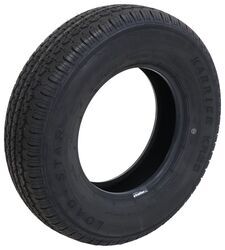
If you are looking to upgrade your tires I would go with the Karrier ST205/75R14 Radial Trailer Tire - Load Range D # KE28KV, these are going to be 5mm wider than the 201/75-14, they are a load range D so they can handle 2,200 lbs at 75 psi, and have a speed rating of M which is 81 MPH.
There are 2 downfalls on using tires that are rated way higher than what you need. It can cause a harsh ride quality, with the weight not holding them down can cause the trailer to be bouncy, and it can cause uneven wear to the tires.
I have included two of our help articles about trailer tires as well. And please remember, it is important to keep trailer tires at the max psi.


Product Page this Question was Asked From
Karrier KR35 ST205/75R14 Radial Trailer Tire - Load Range D

- Trailer Tires and Wheels
- Tire Only
- Radial Tire
- Load Range D
- 205/75-14
- 14 Inch
- M - 81 mph
- Kenda
more information >
Featured Help Information
Miscellaneous Media


Continue Researching
- Shop: Karrier KR35 ST205/75R14 Radial Trailer Tire - Load Range D
- Shop: Karrier ST205/75R14 KR53 Radial Trailer Tire - Load Range D
- Video: Review of Kenda Trailer Tires and Wheels - Tire Only - KE75TJ
- Shop: Karrier KR35 ST205/75R14 Radial Trailer Tire - Load Range C
- Video: Feature Breakdown: Karrier ST205/75R14 Radial Trailer Tire
- Search Results: trailer leaf springs
- Shop: Karrier KR03 ST205/75R14 Radial Trailer Tire - Load Range D
- Search Results: travel trailer tires
- Shop: Suspension Enhancement
- Search Results: st205 75r14
- Search Results: st205/75r14d
- Search Results: st215 75r14
- Search Results: boat trailer parts
- Q&A: Recommended 215/75R14 Radial Tire
- Q&A: What is Karrier Kenda Tire ST205/75R14 Warranty
- Search Results: 58846 seal
- Shop: etrailer Anti-Rattle Hitch Collar for 2.5" Hitch Receivers
- Shop: SumoSprings Solo Custom Helper Springs - Rear Axle
- Shop: Ultra-Fab Farm Jack - 48" Lift - 4 Tons
- Q&A: Availability of Trailer Tire 205/75-14 in Load Range D
- Q&A: Comparing Load Range C And D Tires For A 2012 Lance 2185 Travel Trailer
- Q&A: Replacement Surge Brake Actuator for a 2012 Jayco Pop-Up Camper
- Q&A: Can I Upgrade My Tires on My Travel Trailer from a ST205R14 to a ST225/75R15 on My Travel Trailer?
- Shop: Towing Mirrors
- Q&A: How To Find Correct Replacement Axle for EZ Loader Trailer
- Video: Review of etrailer Trailer Hubs and Drums - Hub with Drum - AKHD-545-35-EZ-K
- Video: Karrier ST215/75R14 Radial Trailer Tire Review
- Shop: Trailer Wiring
- Video: What to Know About the Yates Bow Roller for Boat Trailers
- Video: Review of Caliber Boat Trailer Parts - Rollers - CA62AJ
Kate F.
12/15/2025
Hey Christopher, how did things go with the Karrier ST205/75R14 tires on your trailer? Did the ride quality and handling meet your expectations with the load range D upgrade? Your experience could help others thinking about a similar change.