
Roadmaster XL Base Plate Kit - Removable Arms


To see if this custom-fit item will work for you please tell us what vehicle you'll use it with.


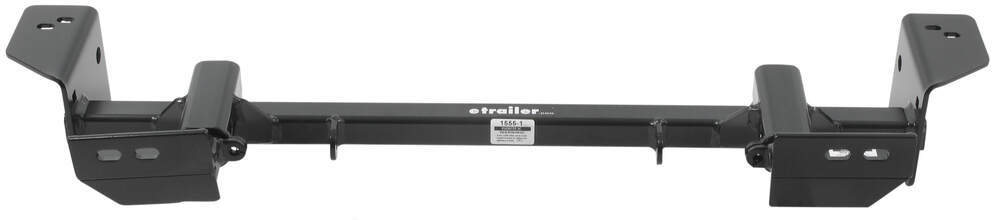
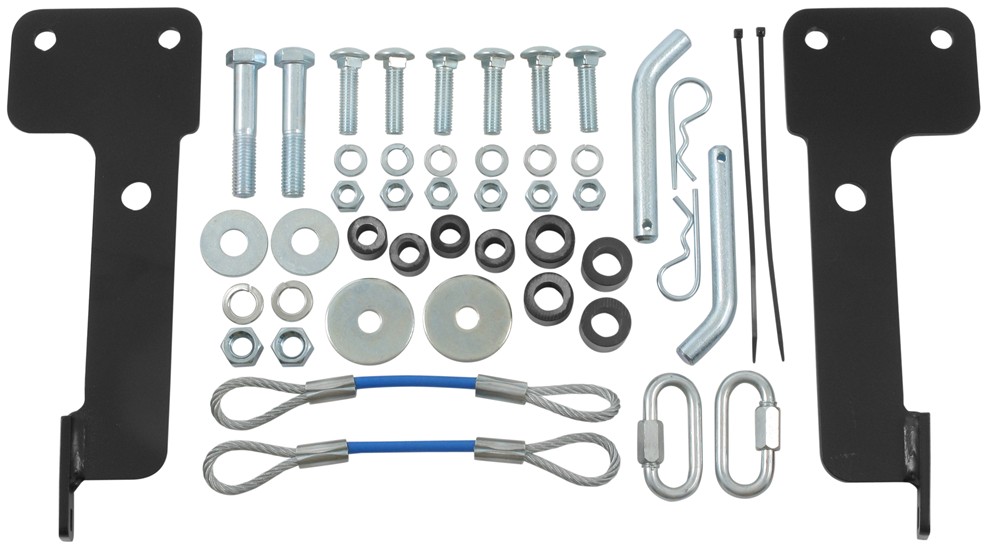
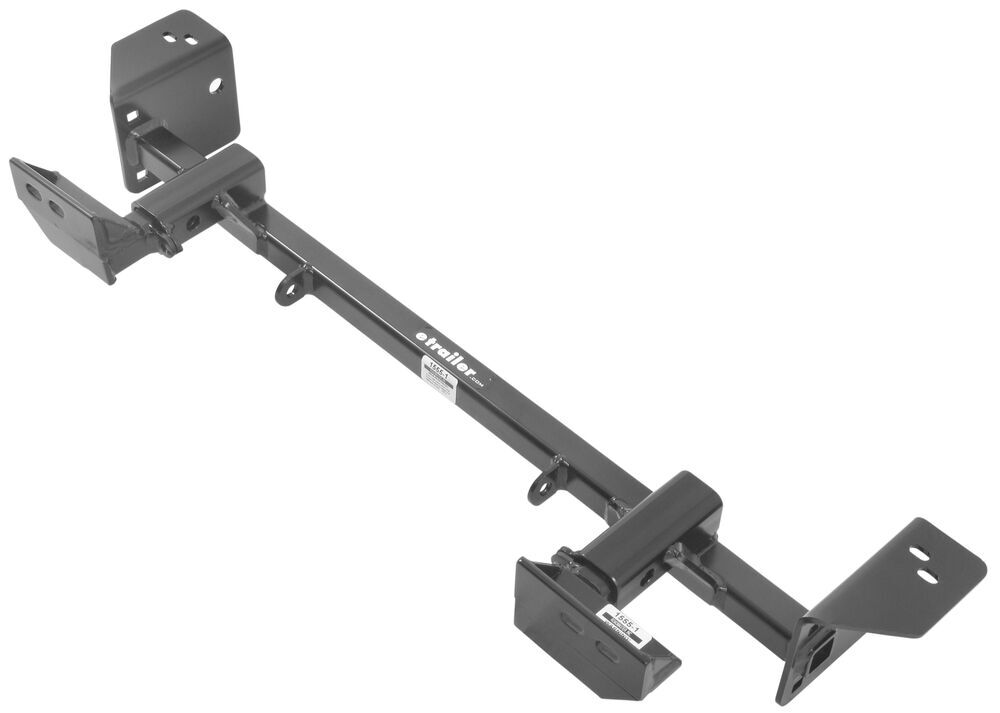
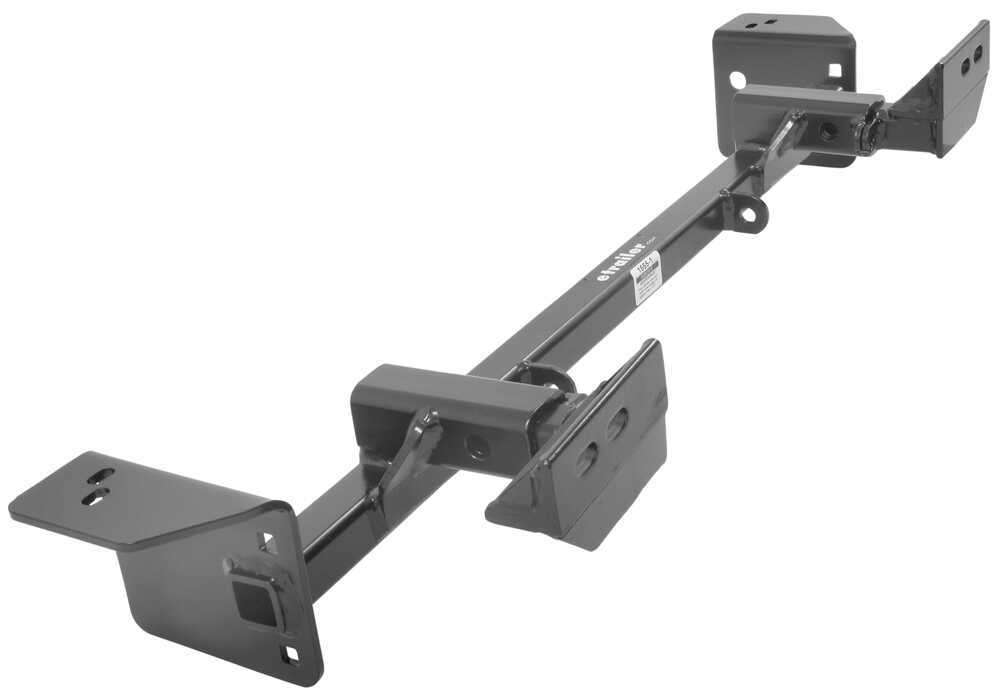
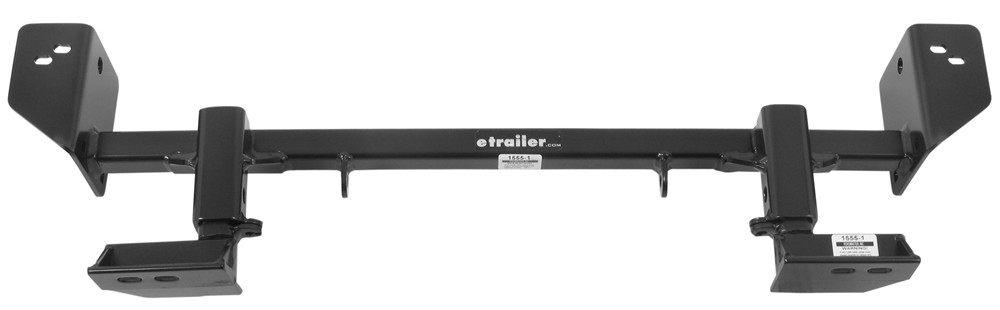
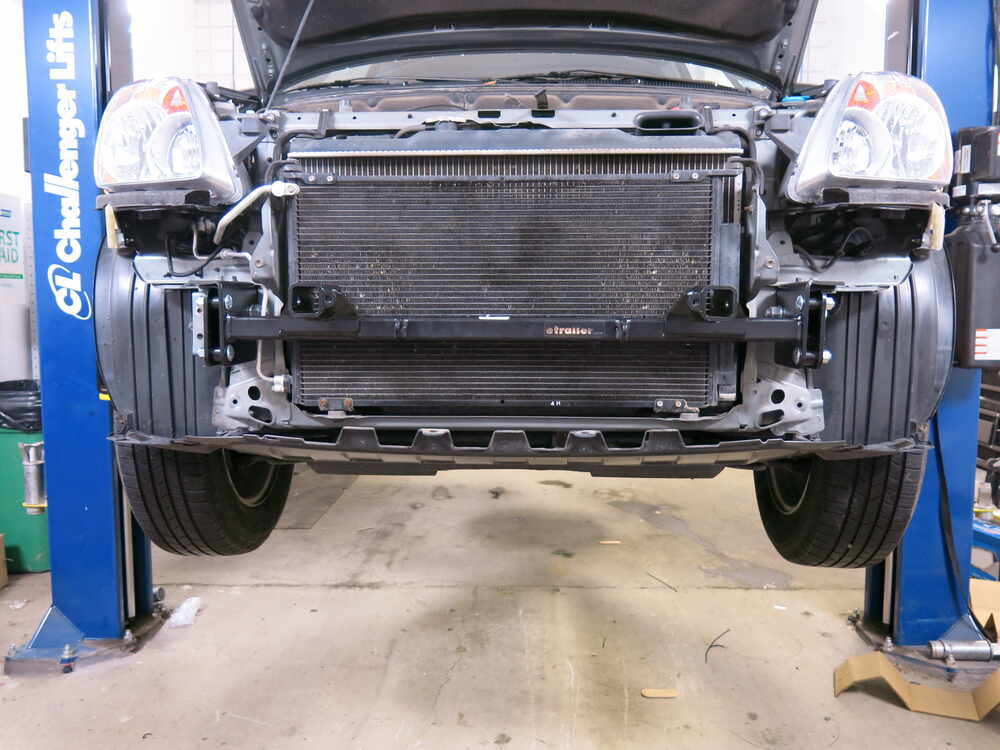
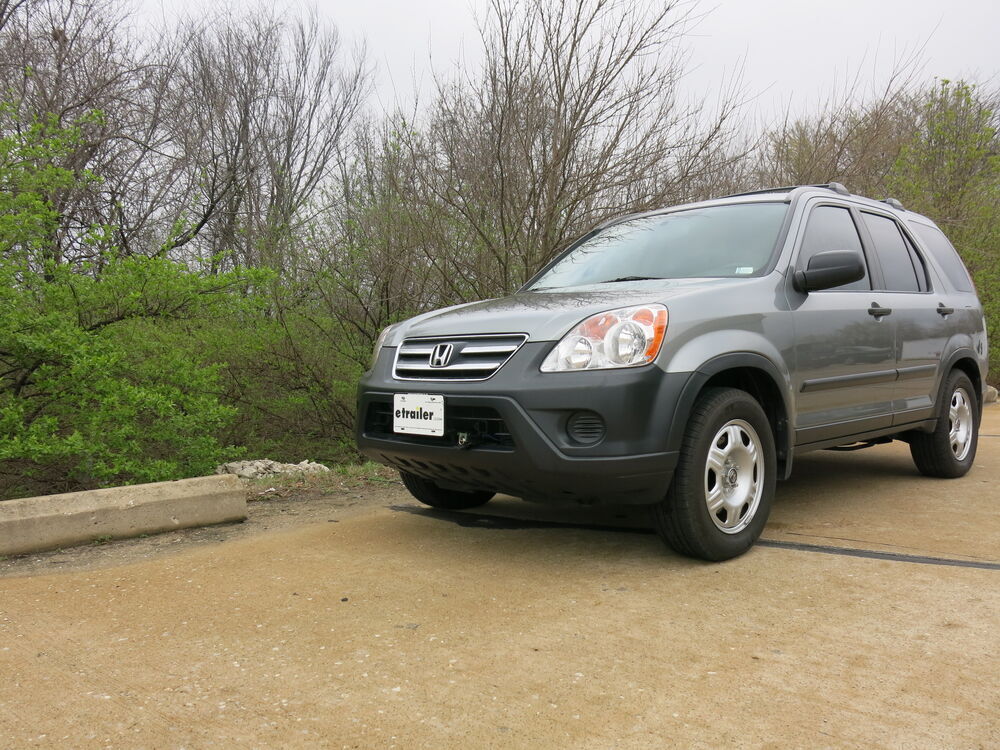
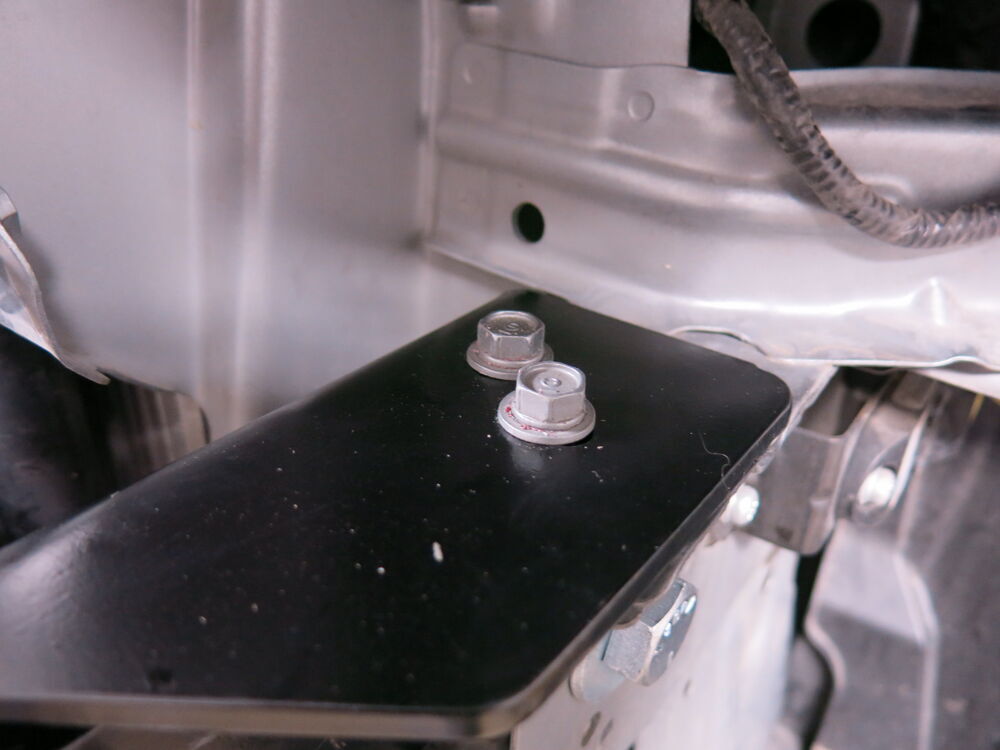
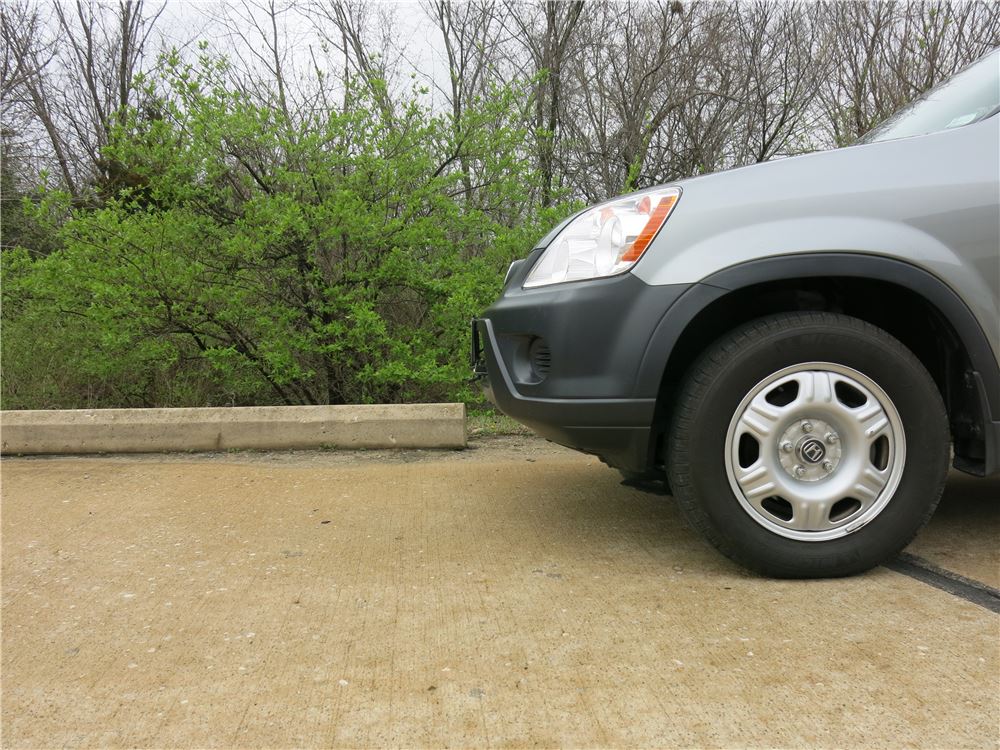
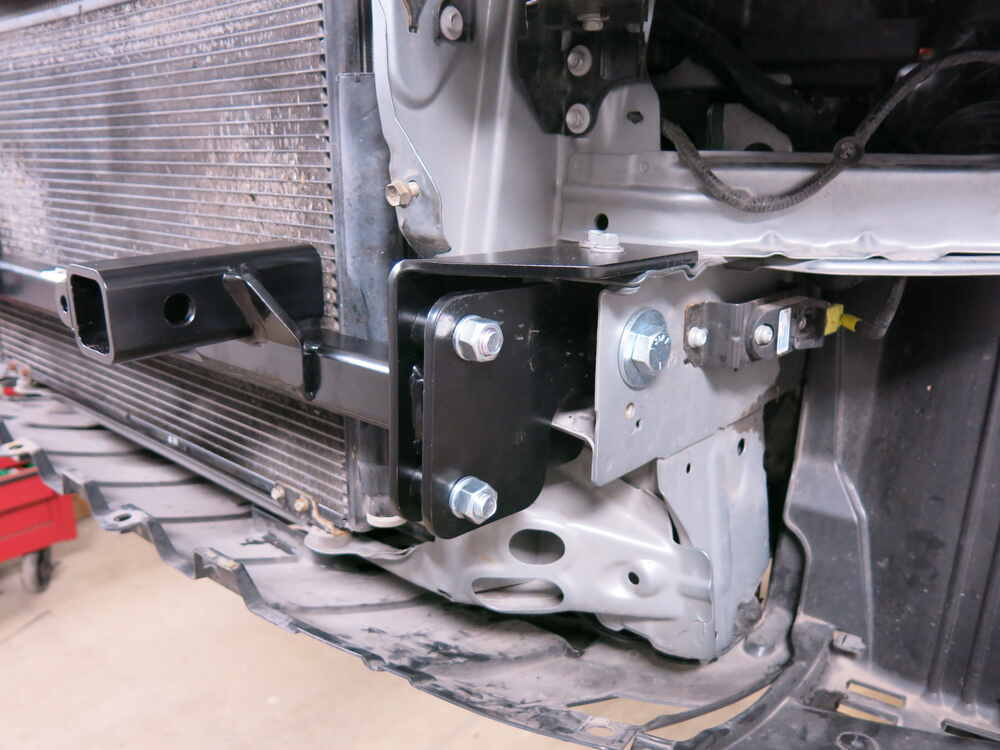
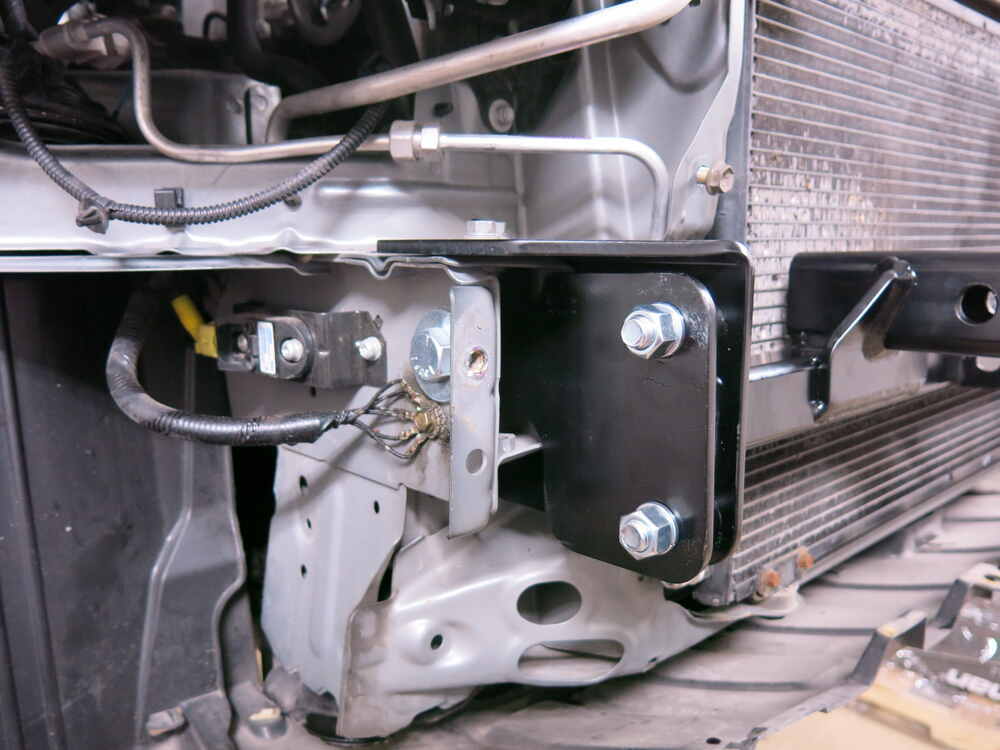
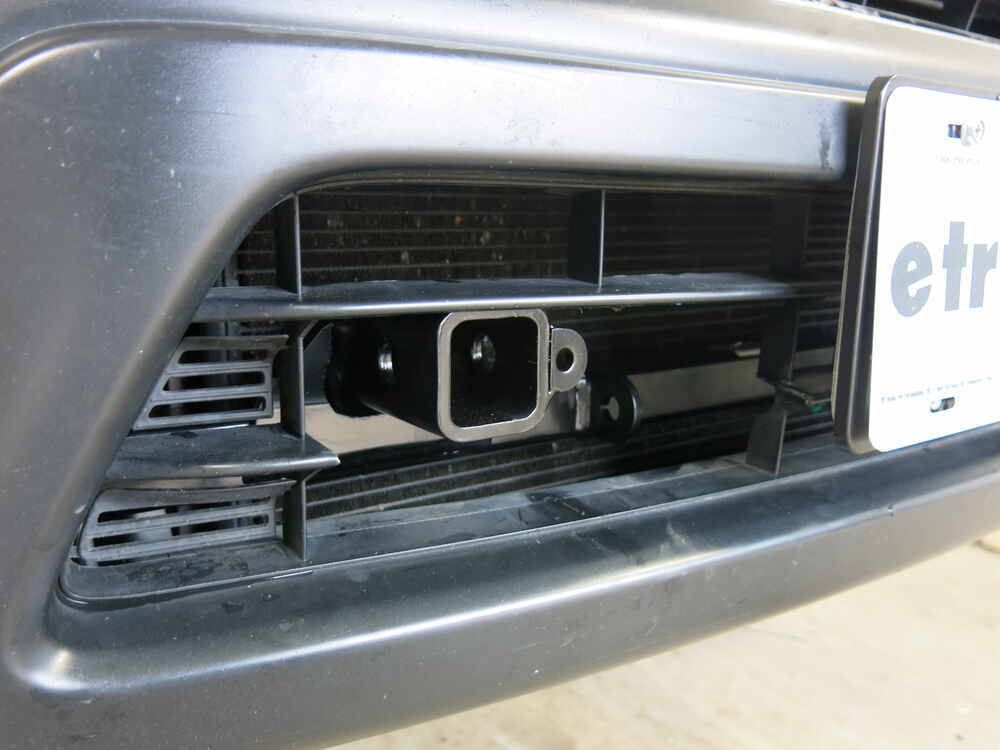
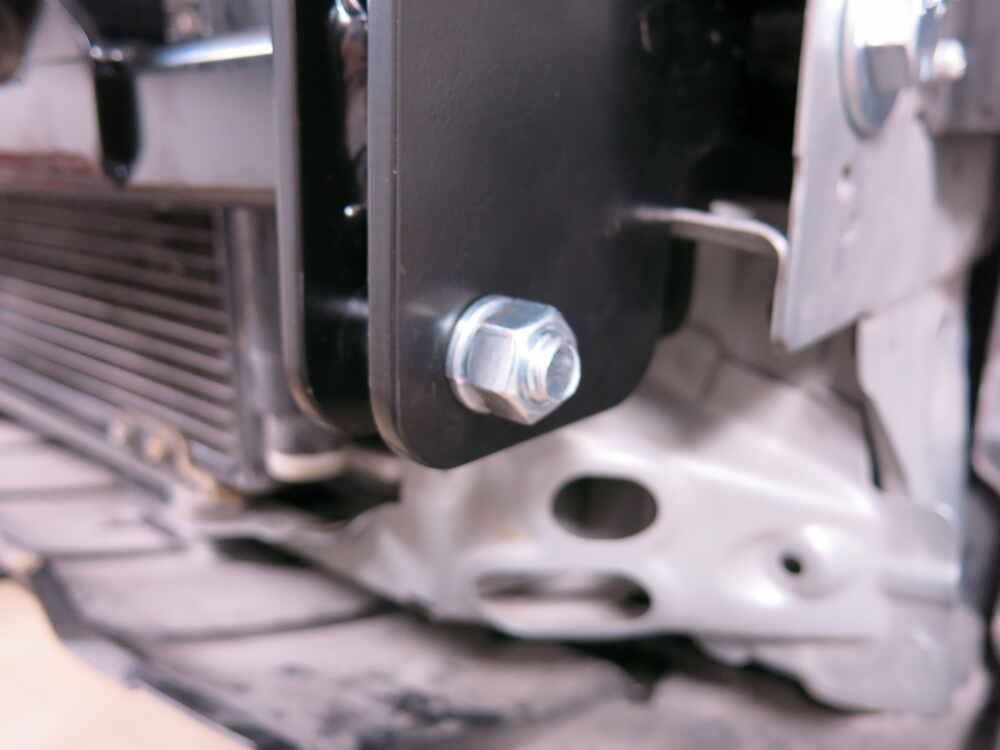
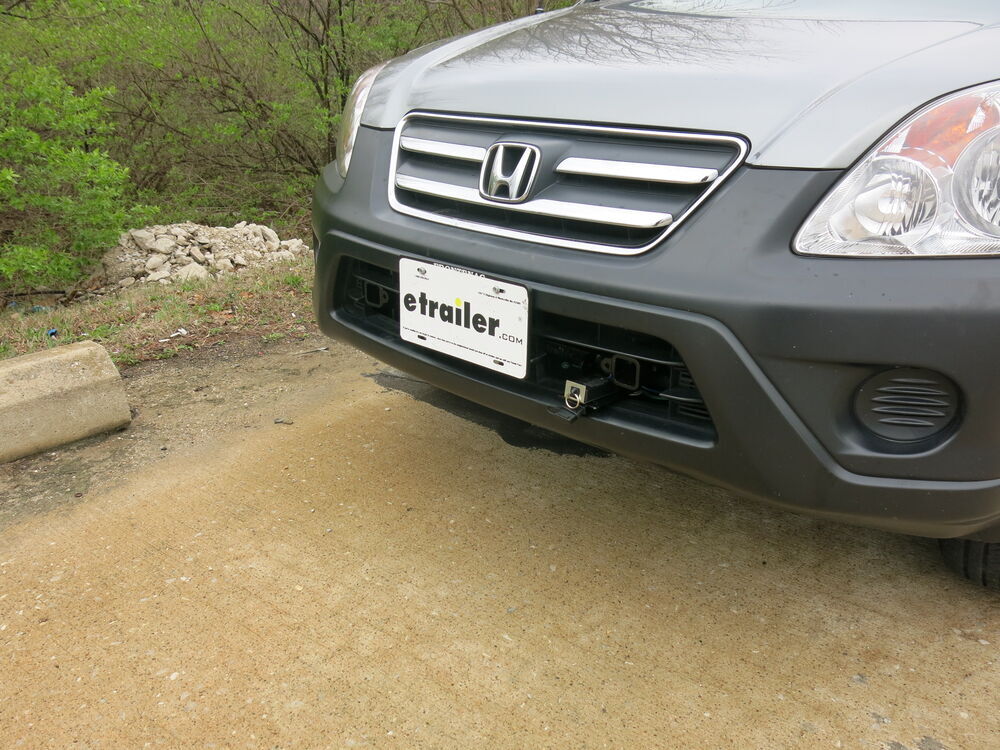
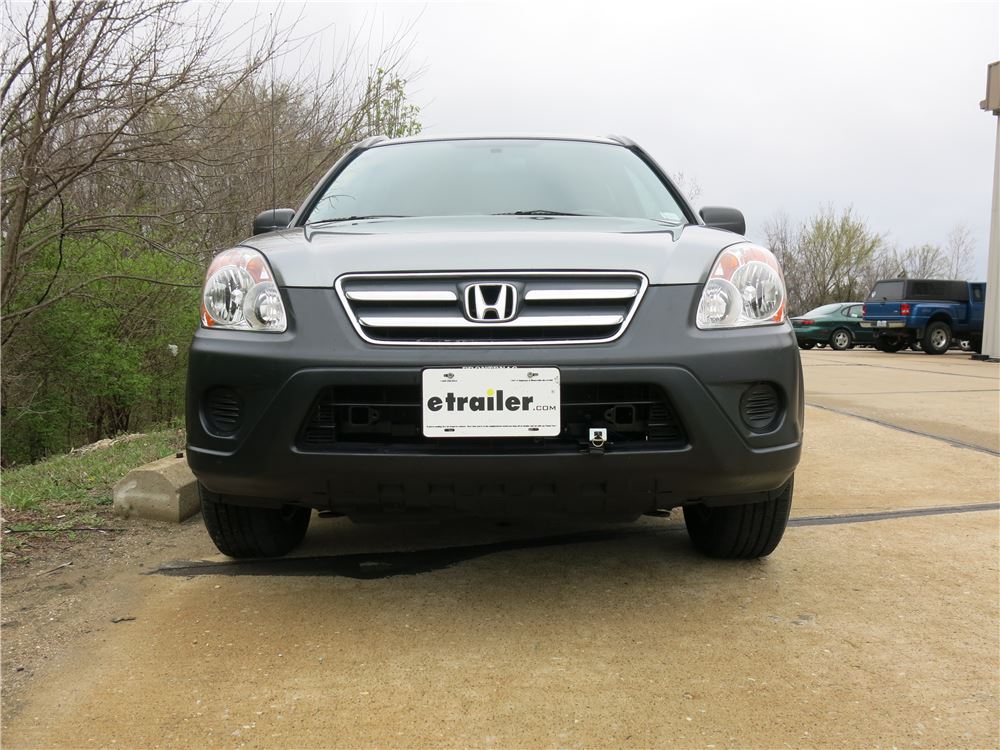
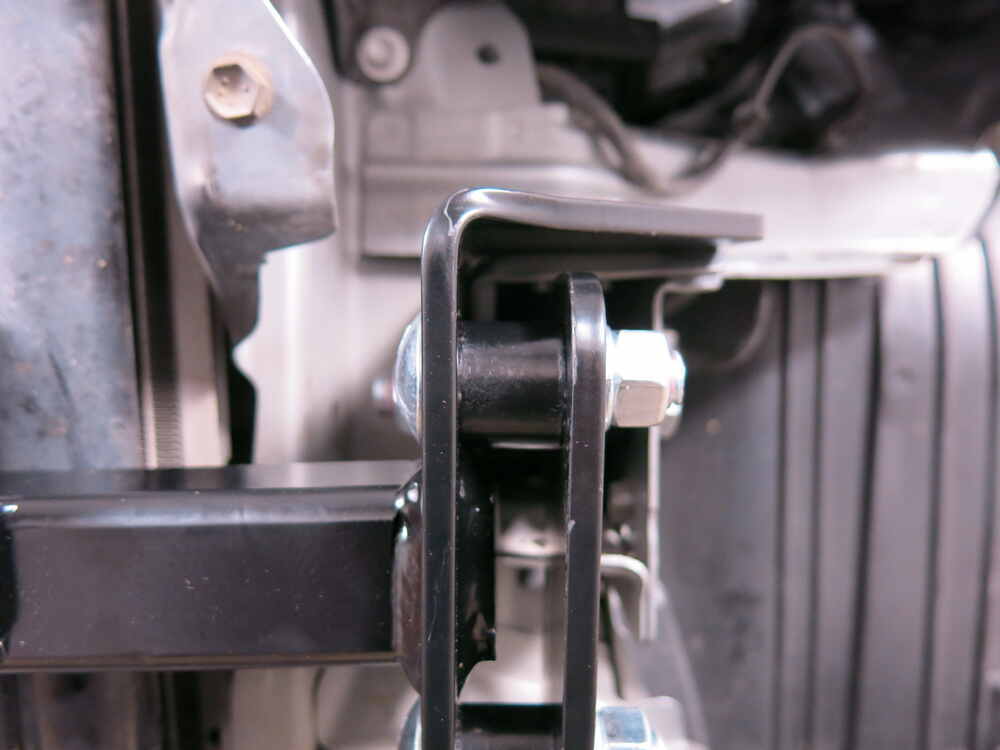


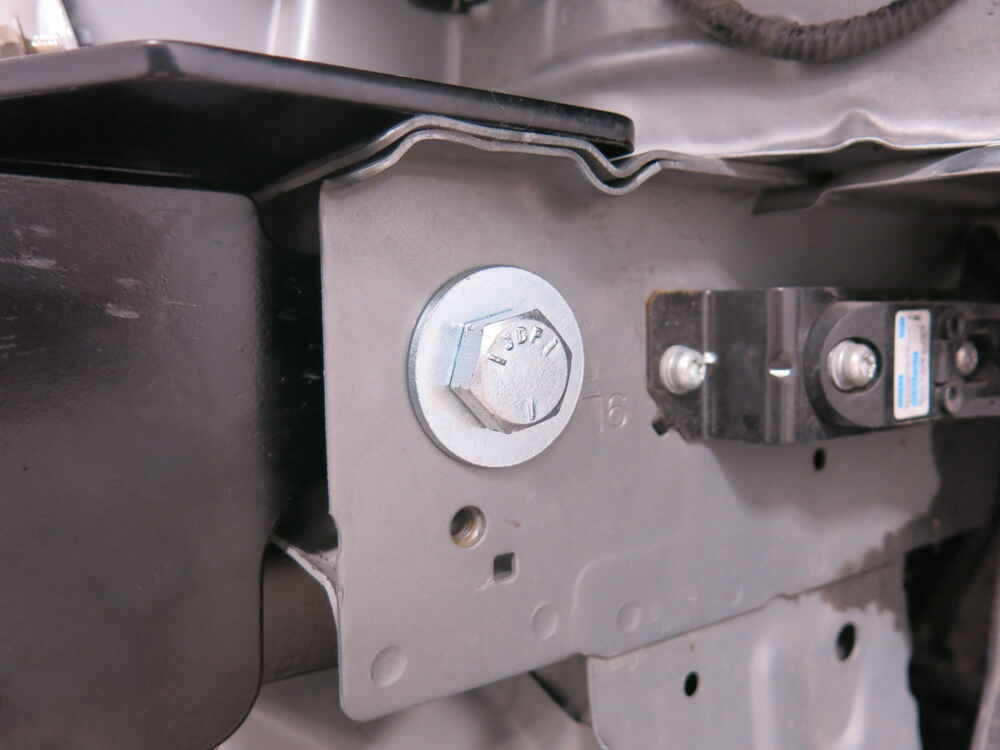
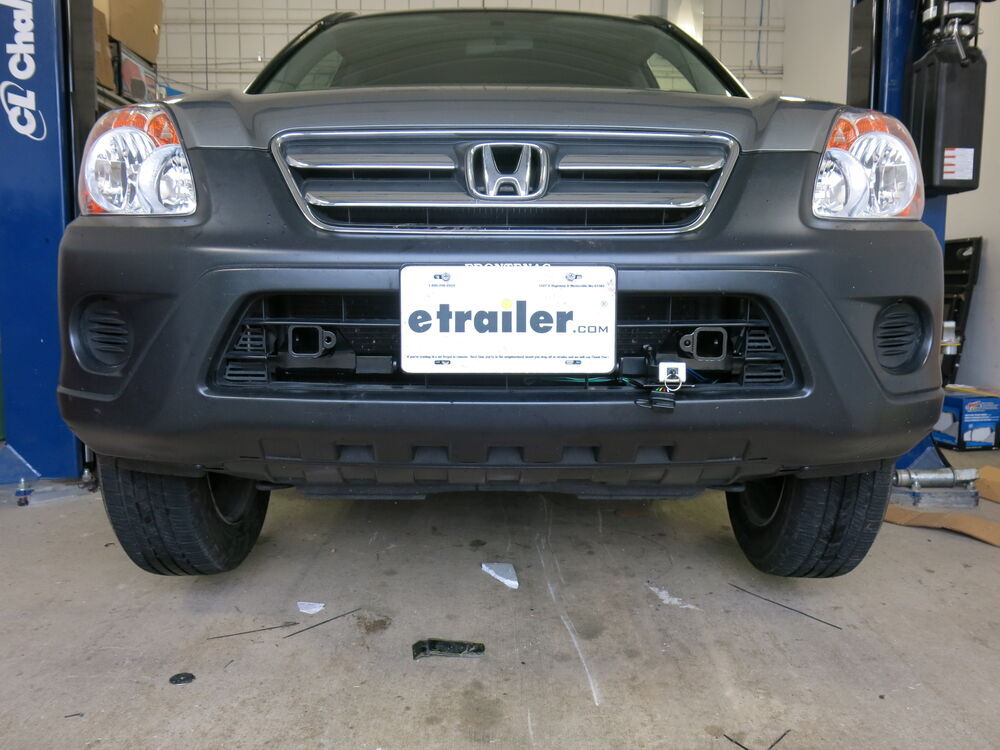
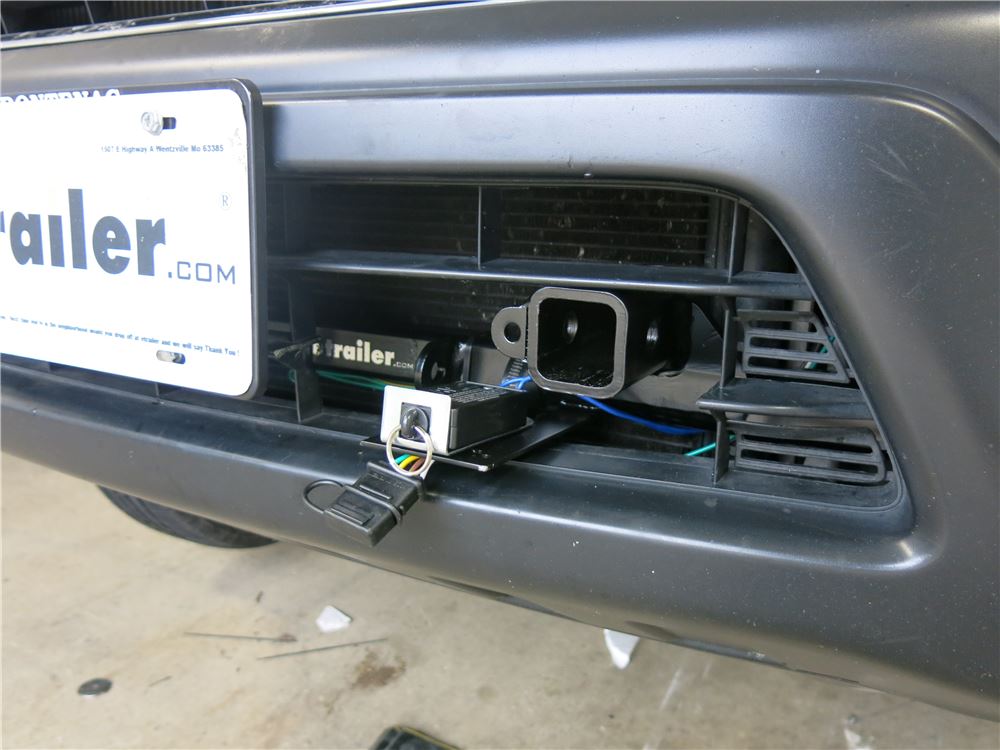
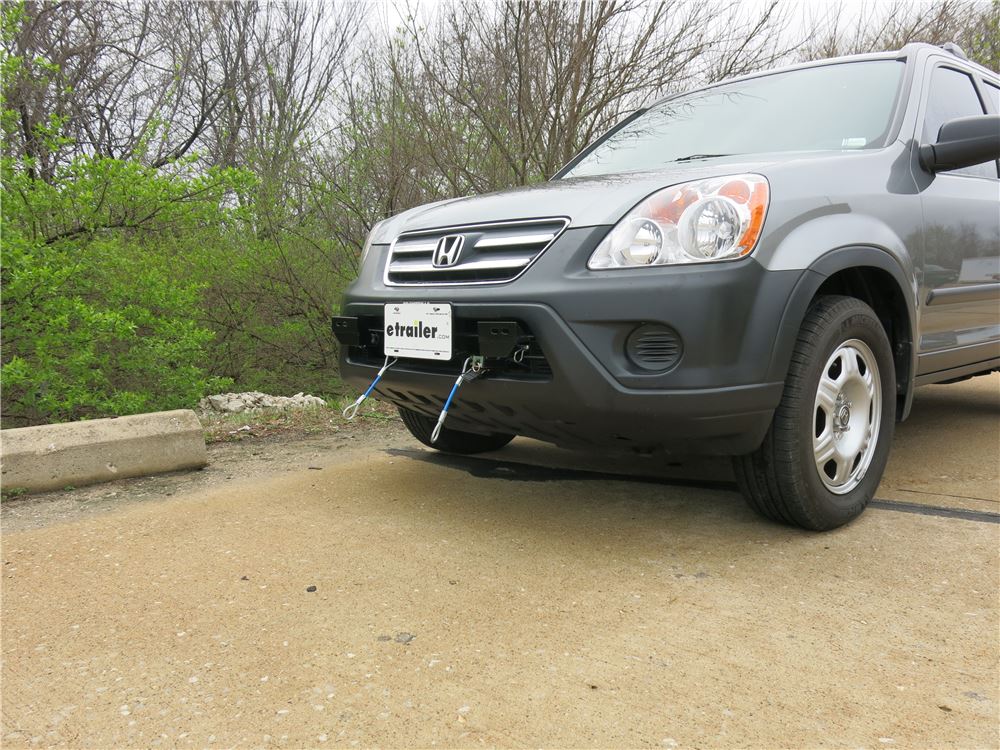

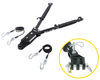
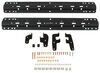
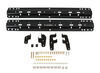
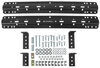
When you’re not towing, you don’t want big metal brackets sticking out from your front end. The XL series uses hidden brackets that mount inside the grille and removable square drawbars that pull out fast with two hitch pins. Once they’re off, the remaining brackets are almost invisible, keeping the front of your ride looking clean and free from scrapes or scuffs.
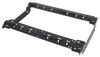
This kit is built from computer-cut steel for consistent, precise strength where it matters most. The black powder coat finish adds a layer of corrosion resistance so it stays looking sharp while holding up to long miles and changing weather. It’s a solid, heavy-duty setup you can count on for dependable towing performance.
There’s no welding needed to get this base plate installed. Each kit comes with instructions and mounting hardware to make the process straightforward. Everything bolts directly to the frame, lining up cleanly for a secure fit without extra fabrication.
Each drawbar slides in smoothly and locks into place using standard hitch pins. That means less hassle when you’re connecting or disconnecting your tow bar—no complicated mechanisms to fight with. It’s reliable, repeatable, and easy to manage even when working alone.
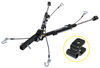
You don’t need to change out your towing gear—this base plate is compatible with all Roadmaster tow bars and Quick Disconnects. That way, your existing setup stays useful and everything fits together just how it should.

Videos are provided as a guide only. Refer to manufacturer installation instructions and specs for complete information.
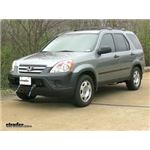
Today on this 2006 Honda CRV, we're going to review and install the Roadmaster XL Base Plate Kit. Part number: 1555-1. All right this is what a bracket looks like when it's installed on our CRV. As you can see here, we got these two brackets that slide into the main bracket that's installed on the vehicle. What's nice about these brackets; when you have your tow-bar off, you can easily remove these guys. There's a little clip right here.
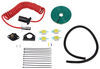
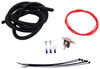
Common everyday pin and clip. Take it out. Remove this assembly, and you don't have all this material hanging out in front of your vehicle when you're not pulling it behind your motor home. Also, the extension cables are detachable, with the quick-link. Now, also you notice here, we have some electrical .. We have inaudible 00:00:50, and a brake-way switch, and this bracket.
Now these parts are not included, with the bracket for the car. And when we're everyday driving, you notice that the bracket is place. Everything stays relatively flush, and makes a very sleek look. And almost looks like it was always a part of a car. Now our MX brackets here will work with all the Roadmaster tow-bars that are out there.
Now all the parts that get attached to the vehicle, as well as the brackets on the outside, are covered with a black-powder coat finish. Now this will provide a great solution to pull your CRV behind your motor home. Plus, when it's not being used behind your motor home, all these attachment points can be removed to make a nice clean look on your vehicle when you're driving down the road. Now I've showed you the features, and how it looks on your vehicle, let's go ahead and show you how we installed it. First step of our install, is we need to open up the hood, and get some fasteners that are underneath the hood. First-off we're going to remove this bolt, using a 10-millimeter socket. Disconnect our battery strap.
Let's loosen that up, and keep it out of the way for now. Next up are a series of plastic fasteners, across the top of the grill here. Release all the plastic rivets, then we'll go ahead and remove those. There's a little slot here to put a small screwdriver into. Pop up the center, and then pull the whole assembly out. Also, sometimes if you're a little stuck, you can use a trim-panel tool, and use that to pop it out as well. Now this whole panel, can come loose, and put this out of the way for now. All right, now let's go ahead and move on to our fender-well here. We're on the driver's side, and there's a bolt up in here, that we got to remove using an eight-millimeter socket. I'm going to remove the same bolt over on the passenger side. Now go ahead and move on down to the bottom of the fender-well, right here. And there's a small Philip's-head screw that we have to remove. I'm using a number two Philip's bit. You can use a screwdriver too, if you need more room you could simply turn the wheel as well. One more time over on the passenger side. Next, let's go ahead and go underneath the front of the vehicle here, where there's another series of fasteners we have to remove. Going all away across the bottom edge. These fasteners are similar to the ones on the top, but they don't have a little edge to put your screwdriver in. But you can put it in this groove that goes all the way around. And then pop out the centers. That one came out pretty easy, but sometimes they're full of dirt when they're at the front of the vehicle. So it may take a little more effort than that. Next up, if your vehicle has fog lights, go ahead and disconnect the electrical behind them. At this point we should be able to take off our entire bumper-cover. So you want to go to the edge of the fender-well right here. Kind of work your hands behind it, and just gently pull it out, from steady pressure. It should pop loose. There it is. You see it's nice and loose. It wouldn't be a bad idea to get an extra set of hands on the other side to do this at the same time. Okay, we'll go ahead and take off our bumper-cover, and put it in a safe spot while we do the rest of our work. All right, next up, a lot of vehicles have an outside air temperature sensor. Located in this area right here. However our vehicle doesn't have it, but if it did there'd be a little plastic bit fitting that goes into the bumper-core here. And you just pop it loose. Now, if our vehicle did have our sensor here, we'd simply unclip it from this spot right here and put it to the side. Once our bracket's installed on the vehicle, we would simply reattach it with some zip-ties. Next up, our bumper-core right here has to be completely removed to make room for a bracket. This will not be reinstalled. To remove the bumper-core, these two bolts here, and here. And one on the inside, you can access from the bottom right here, will have to be removed on the driver side. We're using a 12-millimeter socket for this. Moving over to our passenger side, it's going to be one little bit of a difference. There will be an extra bolt right here that we have to remove. Next we'll go ahead and remove the two same bolts on top. And one on the inside, just like we did on the driver side. Once all our hardware's been removed, we can get this out of our way. Next up, we have to move this horn right here. There's actually one on each side. I had to loosen up with a 12-millimeter socket. We will get these reinstalled after our bracket's been put into place. Now to get our wire loose, we'll squeeze on the clip on the inside here. And just push it out. And you have this whole assembly out of the way while we do our work. We repeat the same process over on the passenger side. All right now, let's go ahead and put some hardware onto our car. We got this brace right here, and this square hole in the back. We'll get this two-inch long by a half-inch carriage bolt. We'll drop that in like this. Now there is a left, and a right-hand-side to these. It's pretty simple to pick out, from just this flat right here, is welded on an angle from this part here. So we just got to make sure it matches with the angle on the inside of the frame. So when it's all said and done, we put it inside. Make sure our bolt drops out a hole at the back. And when it sits okay, this is going to sit completely vertical. Now as you slide this in, you want to keep that flat spot on the bottom frame and try not to knock out that bolt at the same time. Push it in, and let it drop through. This is our driver side. We're going to do it one more time over on the passenger side. One thing to note as we start installing all our hardware, we'll also treat all our bolts with some red Loctite. To this bold, we're going to add this big thick washer, with a cut on it. We're gonna add a lock-washer, and then a half-inch nut. Kind of hard to see, but we'll just put this up in place, with the cut side pointing out of the vehicle. We'll just snug this together, but not tighten it up. That should do. One more time over on the passenger side. Now, let's go ahead and put our bracket into place. So this edge will slide on top of here, on both sides. Now, we'll reinstall the factory bolts on top, with a little bit of Loctite as well. And put those guys into place. We'll do that on both sides. All right now let's go ahead and attach some more hardware. Starting with this hole right here, and our five-eighths bolt. With some Loctite, we're going to put a washer on here. We'll take the spacer, we'll get it started there. Then we'll run it through this bracket. And you have to take another spacer, and put it on the inside. I'm actually using a magnet to help hold it in place for me, while I guide it in. And we'll push the bolt through. So our bolt ran thought, sometimes it can be a little bit on the tight side. We'll take a lock-washer, and install nut. Now out in this gap right here between these two, half-inch carriage bolt. And some Loctite, we'll get it started with another spacer, we'll add a lock-washer and a nut. Same thing in this spot right here. Now we have all our hardware installed on our driver's side, do it one more time on our passenger's side. Once we have all the hardware loosely installed, we'll go ahead and torque, and tighten down the bolts, as described in the instructions. We'll start with the small ones first, then we'll work our way up to the biggest bolts. Now these next bolts will be the half-inch bolts. I'll need to use a three-quarter-inch socket on these guys. Our half-inch bolts here, once again three-quarter-inch socket. All right, now all our hardware is torqued-down. Now go ahead and begin reassembly of our vehicle. Remember the horns we took off earlier We'll go ahead and bolt them back into place. We want to make sure when it's installed that it's out of the way where it doesn't contact anything else. So, doesn't even hurt if you want to bend it back a little bit. That's just fine. We'll do this with both horns, on each side of the vehicle. Now before we put our fascia back on, it's a good idea to run your wiring where your tail-lights, that's going to go to the back, before you put your fascia on. I'm just going to run it behind the headlight here, and down below, I'm just going to leave it in place, so plenty of slack to work with. All right now, let's go ahead and do a quick test of our bumper-cover here. And we'll put it back into place, just temporarily. With our bumper-cover in place, we'll go ahead and look to see where we have to cut. The receiver opening here, we have to remove this bar. And then, to the inside here, there's an attachment point for your safety cables. To make room for that we're going to cut this out, and also these two vertical bars. This is our driver side, we'll have to do the same thing over on the passenger side. Now this is pretty easy material to work with. I'm just going to use some tin-snips to make my cuts, especially on these bigger pieces here. Let us keep scoring across the bottom here at he corner. After a series of test-sits, make sure you have room of our extra accessories, then go ahead and throw on our bumper-cover for good. Okay. Now I can go ahead and reinstall all our fasteners, we're going to work from the bottom, back to the top. Where fasteners we're pulled out, make sure they look like this. We'll push them in. Push in the centers. And that's it. And we'll go ahead and do all the bottom edge first. Put our top-plate back into place, and reinstall all our fasteners. Put in our brace for our battery. One of the last things we need to do, is go ahead and install our safety cables. Put a quick-link onto our tab right here, and pull through. And tighten it up. All right, now these brackets will slide into our main bracket here. Goes right into place. It held in place with a five-eights pin, and a clip. There'll be one for each side. And now our bracket is ready for attachment to your favorite tow-bar. And that will finish it for our Roadmaster XL Base Plate Kit. Part number; 15555-1. On this 2006 Honda CRV.
Ratings & Reviews

No info on how to connect to my Blue Ox tow bar. Ends do not match up. No way to contact customer service. Phone # is for State farm.
For the most part the bracket only worked after carefully installing the front bolt first and leaving the other bolts loose...
The wiring harness worked like a charm...
Well written easy to follow instructions. Pieces fit together and fit the chassis without any problems. Highly recommend.
I installed the brackets myself. Quick and easy as advertised.they fit great and work with my Falcon 2 towbar.
Start to finish 5 hours. Very good instructions. I put the cooler line above the brace. It was harder to put the brace in but had more free space for the line.
Excellent customer service, and the product and installation were great. I recommend George and the other folks at etrailer. They go above and beyond.
Base plate was an easy install after watching the installation video.
TALKED TO JUDY & WAS VERY PLEASED WITH HER KNOWLEDGE & PATIENCE WITH ALL MY QUESTIONS ABOUT THE PRODUCT. I EASILY INSTALLED BASE PLATE IN 3 HRS. WITH NO PROBLEM. VIDEO & INSTRUCTIONS WERE VERY EASY TO FOLLOW. WOULD BUY FROM ETRAILER AGAIN, DUE TO JUDY'S HELP IN ORDERING ALL REQUIRED PARTS NEEDED FOR MY CAR.
The videos are so informative - nearly anyone could install this base plate. And the fact Etrailer was the lowest price and fastest shipping - that just sealed the deal.
This is the 5th Roadmaster base plate that I have installed over the years and by far it was the easiest to install. The video that etrailer had for the Chevy Equinox also had some suggestions to take the horn bracket out of the way to get the backer plates installed. And then reinstall the horn bracket. That video was great and saved a lot of time. I used the Roadmaster instruction sheet along with notes from the video install.
We received the Roadmaster Base Plate Kit from etrailer the same week we ordered it. It was for our 2007 Honda CRV. I installed it this weekend. The directions were clear. It took about 4 hours to install. The parts fit as they were supposed to.
Over the years, we have towed 3 different Honda CRV's behind our RV. We have bought baseplates directly from Roadmaster and also from etrailers.com. All have been excellent experiences. The prices from etrailer.com has usually been a little cheaper but the free shipping has always been appreciated.
The towing bracket I ordered was the right one, thanks to your excellent website. I was especially impressed with the great online installation video you provide. What could have been a very complicated installation was a breeze with your step by step instructions. Thanks!
Extremely easy installation. Base plates were high quality and install instructions were easy to follow. Entire install took less then 1 hour. Can't wait to get it hooked up to the 37' Motor Home and have an adventure. Base Plates installed on a 2003 Jeep Wrangler SE.
Ordered on line price was good, delivery was quick, install went great thanks to YouTube video (2011 Equinox). Have towed it approximately 2000 miles using road master falcon 2 tow bar, and all parts are working well.
Some things have changed in a year. My work schedule changed a lot and the 2014 Equinox that has everything mounted on it was traded for a 2018 Equinox Diesel. I went from 18-20mpg to 39-42mpg depending on if I was in AWD or not.
I know you can dinghy tow the Equinox Diesel and if we decide to do this I will be ordering Roadmaster equipment.
I am very pleased with etrailer, the service and getting what I need shipped in a timely manner. The Roadmaster items that I have received from etrailer worked out very well.
etrailer video was more helpful than Roadmaster instructions. Keep up the great help.
The towing base plate arrived very quickly, as advertised, and was promptly installed by my mechanic. I could not be happier with the product and service received from Etrailer.
I have had this type on other vehicles & they Fitted Great as the new ones I recieved recently ,great having wire on nuts to help aid putting tow brackets on , my installation was on 2013 F 150 4 x 4 ,I would recomend products .
I needed a base plate for my 2012 Equinox, and didn't want to try and install it myself, so I called around and got very frustrated trying to find someone reputable to install one without charging an exorbitant install fee.
I happened to see etrailer's advertisement on the web, and watched their installation video and was impressed at how thorough it was. I decided to try and do the install myself, and with the help of their video was able to get it installed with NO problems. Anyone with any mechanical ability could this. It was easy and I am very pleased with this product.
Roadmaster makes a great product so there's no question it will work well. Installation was everything they claimed it to be, easily done with simple tools and basic mechanical knowledge. Etrailer had outstanding customer service with competitive prices. There is no doubt in my mind I'll be a returning customer for any future needs.
Would have been 5 stars except for price - yikes! But it appears to be plenty sturdy. Removing the old bolts was by far the hardest part of the installation. I can't blame the new part for that. As can be seen in the pictures the pasenger side bumper trim piece interferes a bit with the plate. I believe I can trim the facia for a better fit. Also note the slotted opening on the passenger side. It installs easily, but when the tow bar plate is installed, this needs to be loosened and pursuaded into a better position. I appreciate etrailer's help in getting the right part.
Received the base plate earlier than expected, and well packaged.
No problem installing it in my vehicle.
I bought the 1555-1 base plate for my 2006 Honda CR-V to pull behind my RV. It went together just like the video, perfect fit.
Info for this part was:
At etrailer we provide the best information available about the products we sell. We take the quality of our information seriously so that you can get the right part the first time. Let us know if anything is missing or if you have any questions.























Thank you! Your comment has been submitted successfully. You should be able to view your question/comment here within a few days.
Error submitting comment. Please try again momentarily.