


Is an Electric Over Hydraulic Brake Actuator Compatible With a Vehicles Anti-Lock Braking System
Published 01/11/2022
Products Featured in This Question
Question:
I was under the impression that the HydraStar Electric Over Hydraulic Actuator for Drum Brakes # HBA-12 is used for trailer brakes only, at least that is the purpose of my question. Our trailer currently has air over hydraulic brakes with its own independent anti-lock brake controller separate from the tow vehicle. We would be required to have anti-lock brakes if we were to switch over to electric over hydraulic. Will the HydraStar work with our existing antilock brake system?
asked by: Scott S
Expert Reply:
It sounds like you are asking if the HydraStar Electric Over Hydraulic Actuator for Drum Brakes # HBA-12 can be used for trailer brakes if you have an anti-lock braking system on your tow vehicle. The # HBA-12 is controlled by a brake controller like the # RED44FR which does not rely on the vehicle braking system. Assuming you are using a proportional brake controller it will brake in proportion to the vehicle's braking action.


Product Page this Question was Asked From
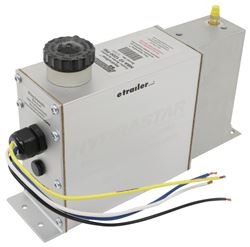
Hydrastar Electric Over Hydraulic Actuator for Drum Brakes - 1,200 psi

- Brake Actuator
- Electric-Hydraulic Brake Actuator
- Boat Trailer
- Travel Trailer
- Drum Brakes
- Hydrastar
more information >
Featured Help Information
Miscellaneous Media

Continue Researching
- Shop: Dexter BrakeRite Electric Over Hydraulic Actuator for Disc Brakes - Vented - 1,500 psi
- Search Results: brake rite
- Shop: Dexter DX Series Electric Over Hydraulic Brake Actuator for Disc Brakes - 1,600 psi
- Shop: Replacement Dexter BrakeRite II SD Electric Over Hydraulic Actuator - Vented - 1,500 psi
- Shop: Dexter Electric Trailer Brake Assembly - 7" - Left Hand - - 2,000-lbs to 2,200-lbs
- Q&A: Pros And Cons For Switching From Electric To Electric Over hydraulic Disc Brakes On Trailer
- Shop: Hydrastar Marine Electric Over Hydraulic Actuator for Disc Brakes - 1,600 psi
- Shop: Deutsche Hydrapro Alpha G-1600X Electric Over Hydraulic Disc Brake Actuator - 1,600 psi - 28.7 oz
- Shop: Hydrastar Electric-Hydraulic Actuator w/ Line Kit for Disc Brakes - 1,600 psi
- Video: Firestone Ride-Rite Air Bags with Easy Mount Compressor Feature Breakdown
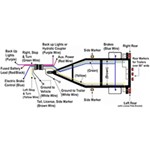
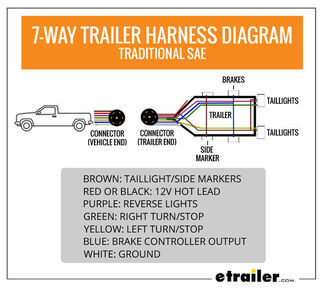
- Article: Trailer Wiring Diagrams
- Q&A: Lug Nut Torque Chart for Trailer Wheels
- Shop: Trailer Hitch
- Search Results: trailer hitch
- Shop: Trailer Wiring
- Search Results: trailer tires and wheels
- Q&A: How to Replace a Lance 6-Pin Plug w/ a Standard 7-Way Connector
- Article: Brake Controller 7- and 4-Way Installation Kit (ETBC7)
- Search Results: trailer wiring
- Q&A: Installation Time for Blue Ox BX1128 Flat Tow Base Plate Kit for 2016 Jeep Grand Cherokee
- Video: B&W Companion OEM 5th Wheel Hitch Manufacturer Breakdown
- Article: Wiring Trailer Lights with a 7-Way Plug (It's Easier Than You Think)
- Shop: Suspension Enhancement
- Search Results: trailer jack
- Q&A: Instructions to Wire a Trailer for Electric Brakes
- Shop: Brake Controller
- Video: In-Depth Look at the B&W 5th Wheel to Gooseneck Pin Box
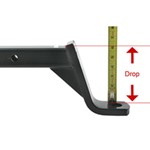
- Article: How to Measure for Trailer Hitch Drop
- Shop: Gooseneck Hitch
- Q&A: What Is An OEM Prep Package And How Do I Know If I Have It

on Brake Actuator








Scott S.
1/11/2022
I was under the impression that the HydraStar Electric Over Hydraulic Actuator for Drum Brakes # HBA-12 is used for trailer brakes only, at least that is the purpose of my question. Our trailer currently has air over hydraulic brakes with its own independent anti-lock brake controller separate from the tow vehicle. We would be required to have anti-lock brakes if we were to switch over to electric over hydraulic. Will the HydraStar work with our existing antilock brake system?