


Installing Kats Heater KH11813 on 2016 Toyota Camry 2.5L
Published 12/13/2017
Question:
Where is the install location for this product on a 2016 Camry 2.5L non-Hybrid and what is the easiest way to access it?
asked by: John B
Helpful Expert Reply:

To install the Kat's Heaters Custom Fit Engine Block Heater # KH11813 you will simply need to locate the cartridge hole on the engine block. After you find the cartridge hole you will want to clean it out with an air compressor.
I spoke with my contact at Kat's Heaters and it will be located at the Rear Left location on your engine block. If you are sitting inside your Camry the it will be the rear (towards you) left corner from that orientation.
Once that is done you will want to make sure that you route any wires away from hot or moving parts.

Product Page this Question was Asked From
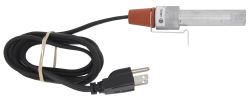
Kat's Heaters Custom Fit Engine Block Heater - Cartridge Style - 120V - 400 Watts

- Vehicle Heaters
- Engine Block Heater
- Cartridge Style
- 400 Watts
- Kats Heaters
more information >

Continue Researching
- Shop: Vehicle Engine Heaters
- Shop: Kat's Heaters Custom Fit Engine Block Heater - Cartridge Style - 120V - 400 Watts
- Q&A: Block Heater Recommendation for 2018 Toyota RAV4 Hybrid
- Q&A: Engine Block Heater Location for a 2021 Toyota Tundra
- Q&A: Can You Cut/Splice and Combine Multiple Kat's Heaters Oil or Transmission Pan Heating Pad
- Q&A: What Kind of Grease Should be Used with Install of Kat's Block Heater
- Q&A: Is Any Grease Needed When Installing Kat's Block Heater in Vehicle
- Q&A: Troubleshooting Block Heater that Is Difficult to Install in 2015 Toyota Tacoma
- Q&A: Engine Block Heater For a 2022 Toyota Tacoma With 3.5L V6 Engine
- Article: Electric Trailer Brakes: How They Work & What to Buy
- Article: Performance Chips and Modules
- Article: Brake Controller Installation: Starting from Scratch
- Article: RV Sway Control, Stabilization, and Suspension Enhancement
- Article: How to Measure for Trailer Hitch Drop
- Article: Rooftop Cargo Carriers
- Article: 30-Amp and 50-Amp RV Service: What's the Difference?