Difference Between Reese Strait-Line Weight Distribution System RP66084 and RP66074
Updated 06/09/2017 | Published 06/07/2017
Products Featured in This Question
Question:
I am trying to figure out the difference between the Reese RP66084 and RP66074. Thank in advance!
asked by: Nate
Expert Reply:
The Reese Strait-Line Weight Distribution Systems w Sway Control - Trunnion Bar # RP66084 and # RP66074 referenced in your question are almost identical systems except for a couple of small differences.
Both of these systems feature dual-cam sway control with a tongue weight capacity of 600 to 1,200 pounds.
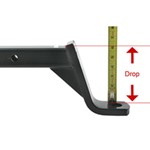
The first difference between the two is that the Reese # RP66084 includes an adjustable shank with a maximum rise of 6-1/2 inches and maximum drop of 1-1/4 inches. The Reese # RP66074 does not include a shank and one will need to be purchased separately, such as the # RP54970. Neither system includes a compatible hitch ball with a 1-1/4 inch diameter shank. I recommend # A-90 for a 2 inch hitch ball or # 19286 for a 2-5/16 inch hitch ball.
Another difference is that the Reese # RP66074 is compatible with both 2 inch and 2-1/2 inch trailer hitch receivers while # RP66084 will only work with 2 inch hitches. If you happen to have a 2-1/2 inch trailer hitch on your tow vehicle, you will need the # RP66074.
I have attached short demonstration videos and the installation details on both of these systems for you to look over.
The most important factor to consider when choosing a weight distribution system is the total tongue weight of your setup. This includes both the loaded tongue weight of your trailer along with any added cargo weight coming from behind the rear axle of your vehicle. You will want this number to fall somewhere around the middle of the tongue weight capacity range for the weight distribution system you choose.
I have attached an article on weight distribution systems that you may also find helpful.


Featured Help Information
Miscellaneous Media

Continue Researching
- Search Results: trailer hitch
- Search Results: weight distribution hitch
- Shop: 2-5/16" Hitch Ball - 1-1/4" Diameter x 2-3/4" Long Shank - Chrome - 12,000 lbs
- Video: Ultimate Overview of the Power Watchdog Surge Protector with Bluetooth
- Shop: Power Watchdog Surge Protector with Bluetooth - Portable - 30 Amp
- Search Results: power surge protector
- Q&A: Recommended Weight Distribution System for Rockwood Mini Lite 2109 Trailer
- Q&A: Can an F-150 Tow a Travel Trailer that Weighs 6,900 lbs
- Search Results: reese weight distribution hitch
- Article: Trailer Wiring Diagrams
- Shop: Trailer Hitch
- Search Results: trailer tires and wheels
- Video: Firestone Ride-Rite Air Bags with Easy Mount Compressor Feature Breakdown
- Q&A: What is the Difference Between a Class II and a Class III Hitch?
- Shop: Universal Installation Kit for Trailer Brake Controller - 7-Way RV and 4-Way Flat - 10 Gauge Wires
- Video: How to Choose a Trailer Brake Controller
- Q&A: Lug Nut Torque Chart for Trailer Wheels
- Article: Brake Controller 7- and 4-Way Installation Kit (ETBC7)
- Shop: Trailer Wiring
- Article: How to Measure for Trailer Hitch Drop
- Q&A: What is the Difference Between a 4-Way and 7-Way Trailer Connector
- Shop: etrailer Anti-Rattle Hitch Collar for 2" Hitch Receivers
- Shop: Suspension Enhancement
- Search Results: trailer wiring
- Video: An In-Depth Look at the Roadmaster Battery Charge Line Kit for Towed Vehicles
- Shop: Roadmaster 4-Diode Universal Wiring Kit for Towed Vehicles - 7-Way to 6-Way Coiled Adapter Cord
- Q&A: Installation Time for Blue Ox BX1128 Flat Tow Base Plate Kit for 2016 Jeep Grand Cherokee
- Search Results: trailer jack
- Shop: Brake Controller
- Article: 5 Things to Know About Weight Distribution Hitches

on Weight Distribution Hitch