


Which Curt Fifth Wheel Hitch Install Kit for 2004 GMC Sierra 2500 HD
Updated 12/15/2014 | Published 12/14/2014
Products Featured in This Question

Question:
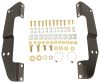
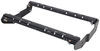
What is the deference between 16418 and 16448? I would like to purchase one of these for my 2004 GMC 2500HD crewcab shortbed.
asked by: Patrick
Expert Reply:
The Curt # C16418 bracket kit is a fit for your 2004 GMC 2500 HD, while the # C16448 is a fit for the 2005-2010 Ford F250 and F350.
In addition to the C16418, you'll also need the bed rails. You can get the brackets and rails together with all the needed installation hardware as part # C16418-204. The bed rails are compatible with fifth wheel hitches that use industry standard rails like those from Reese, Curt, Valley, Husky and others.
If you don't already have a 7-way connector installed in your truck bed, you can install one using part # 41157.


Product Page this Question was Asked From
Curt Custom Fifth Wheel Bracket Kit


- Accessories and Parts
- 5th Wheel Hitch Rails
- Brackets
- Custom
- CURT
more information >
Featured Help Information
Instructions
Miscellaneous Media

Continue Researching
- Q&A: Looking for Brackets to Install Fifth Wheel Rails in 2000 Ford F-350
- Q&A: Can B&W Brackets Be Used With Reese Rails on 2023 Ford F-250
- Q&A: Wiring Harness For Adding 7-Way To The Bed Of A 2022 Ford F-350
- Q&A: Which Reese Fifth Wheel Bracket Kit Fits 2000 Ford F-250
- Q&A: Can The B&W 5th Wheels Rails Be Used With Curt Frame Brackets?
- Q&A: Correct Curt Custom Brackets for Curt Base Rails on a 1999 Ford F-250 Super Duty
- Q&A: Recommended Sliding 5th Wheel Hitch for 2005 Ford F-250 With Short Bed
- Article: Gooseneck to 5th Wheel Adapters
- Article: Trailer Wiring Diagrams
- Article: Fifth Wheel Trailer Hitch Information and Installation Tips
- Article: Ram Trailer Tow Prep Package
- Article: Sidewinder with Rotating Turret for Short Bed Pickups
- Article: Fifth Wheel Hitch Combinations for Ram Trucks with RamBox (2009-Current)
- Article: 30-Amp and 50-Amp RV Service: What's the Difference?