
Blue Ox Base Plate Kit - Removable Arms


To see if this custom-fit item will work for you please tell us what vehicle you'll use it with.


Thank you! Your comment has been submitted successfully. You should be able to view your question/comment here within a few days.
Error submitting comment. Please try again momentarily.
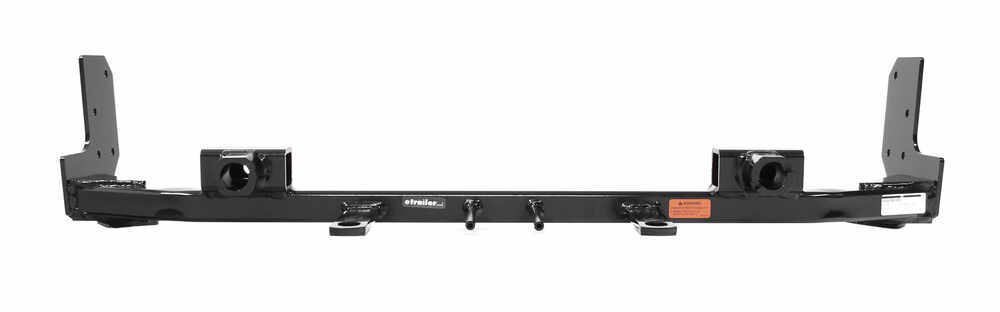
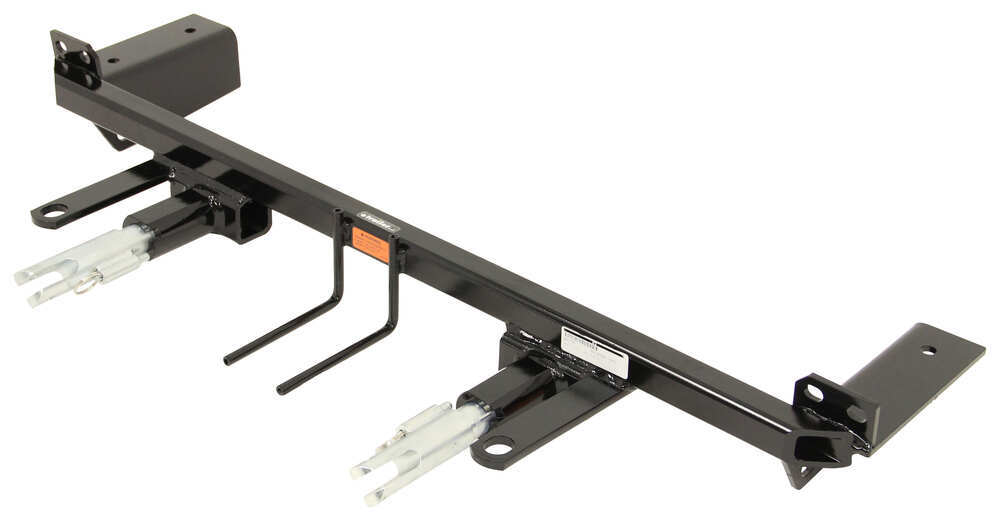
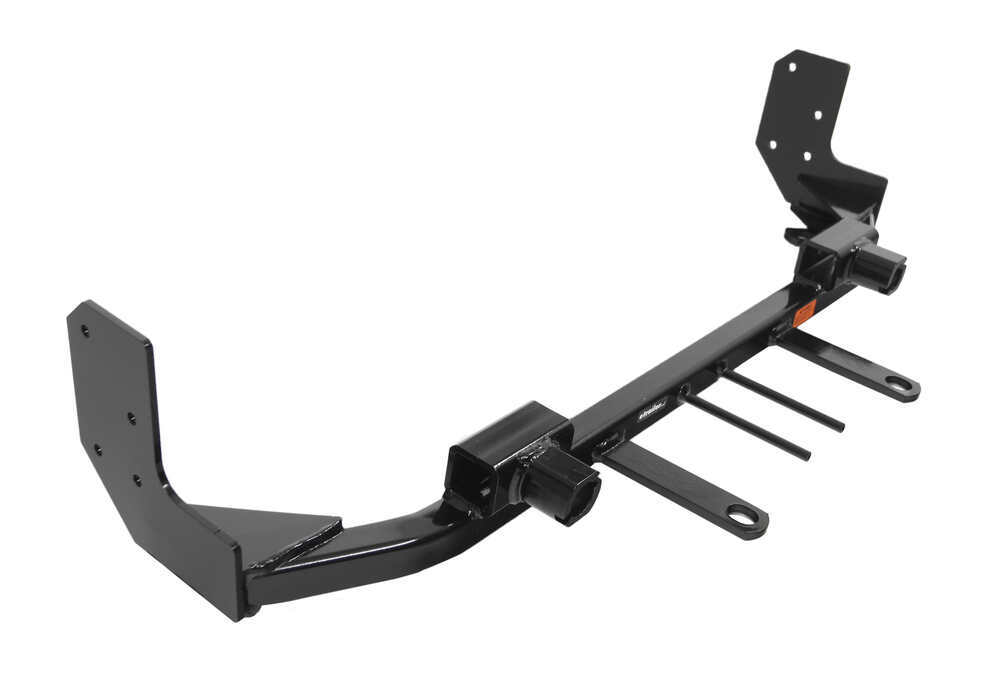

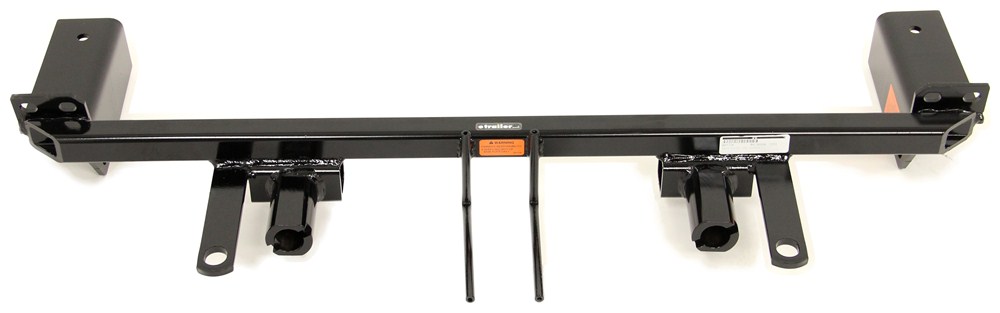
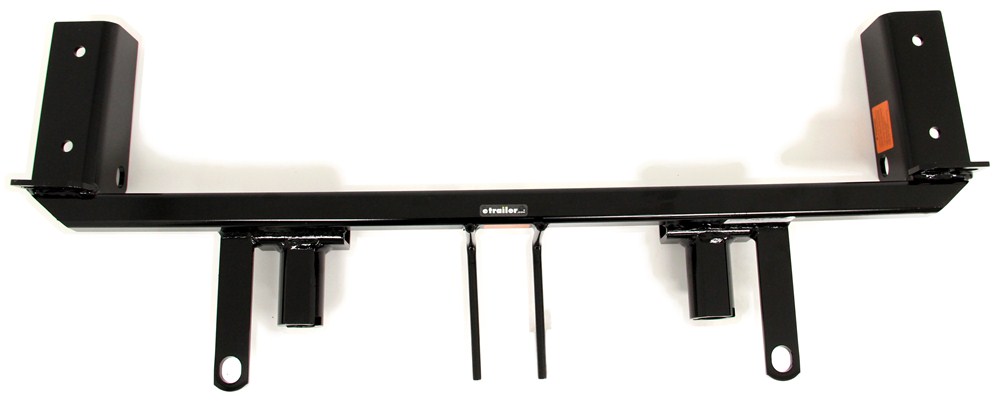
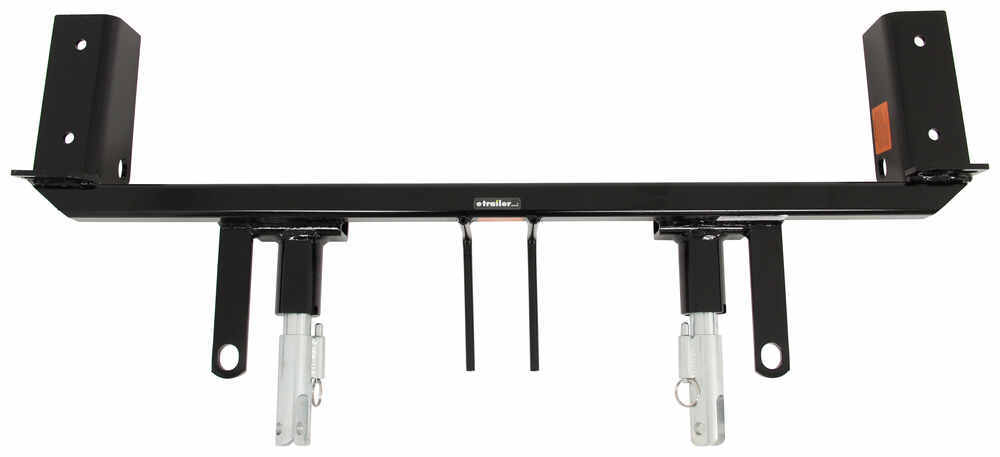
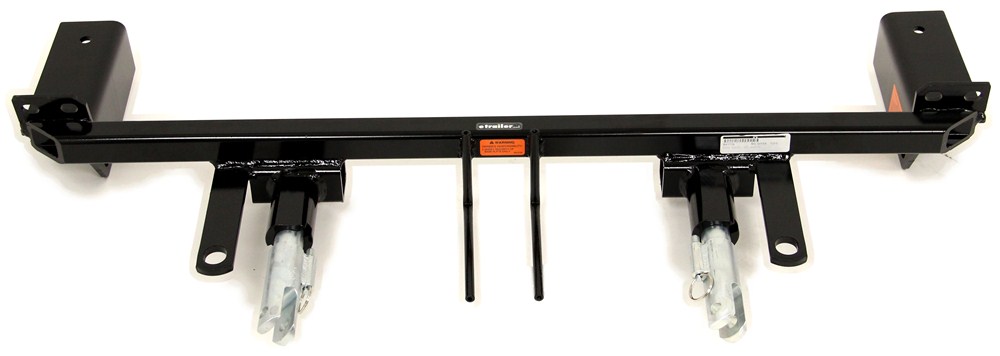
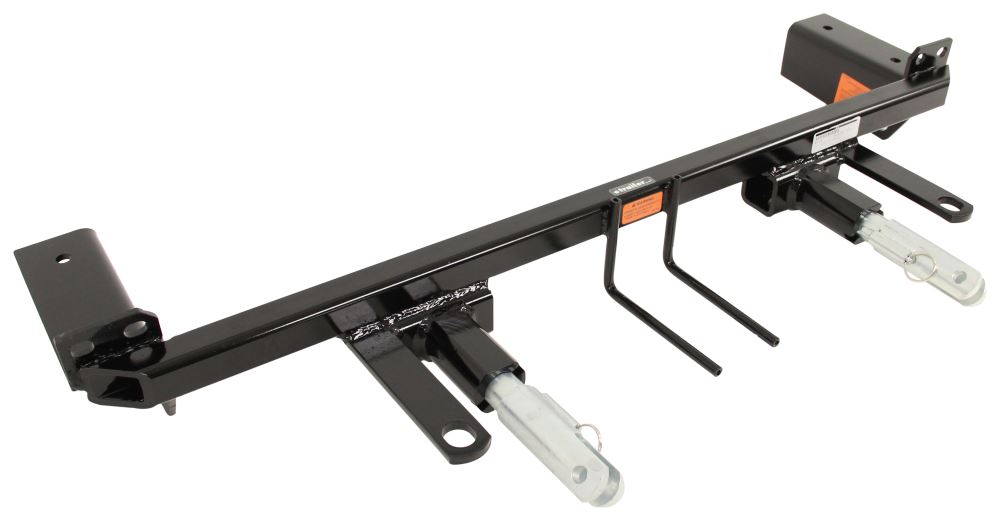
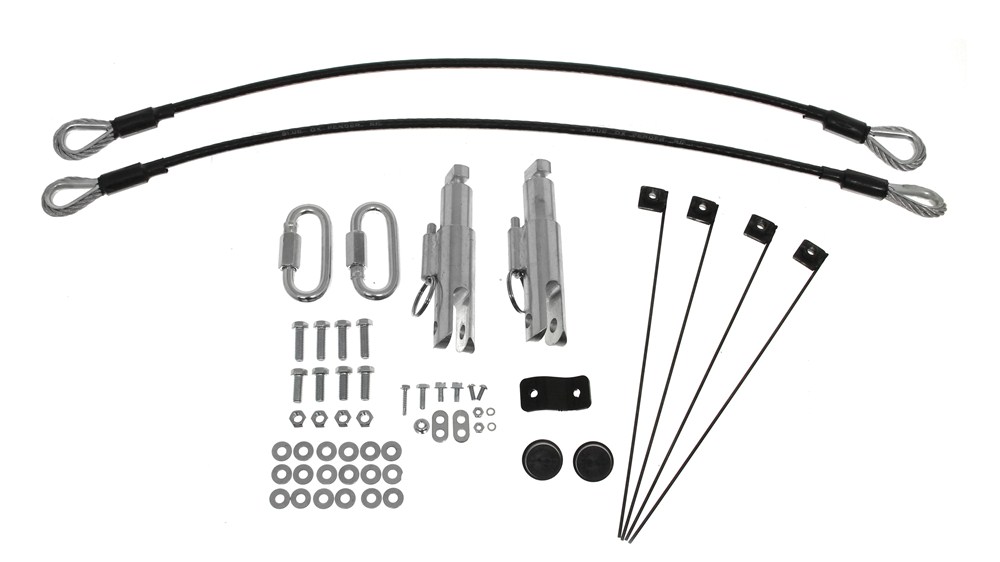


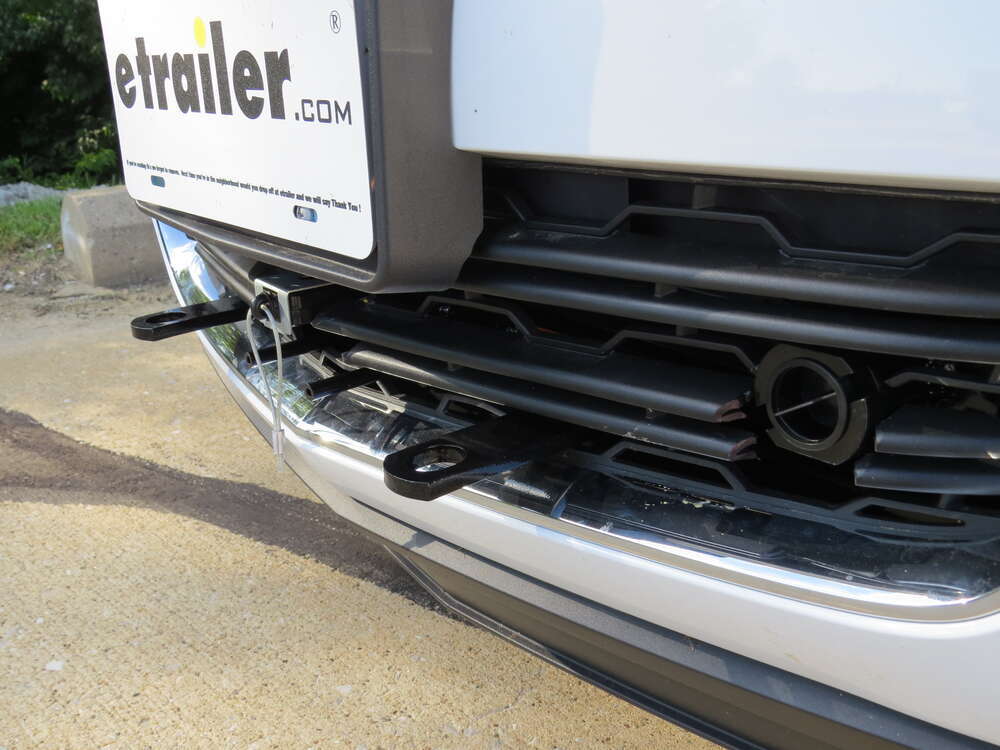


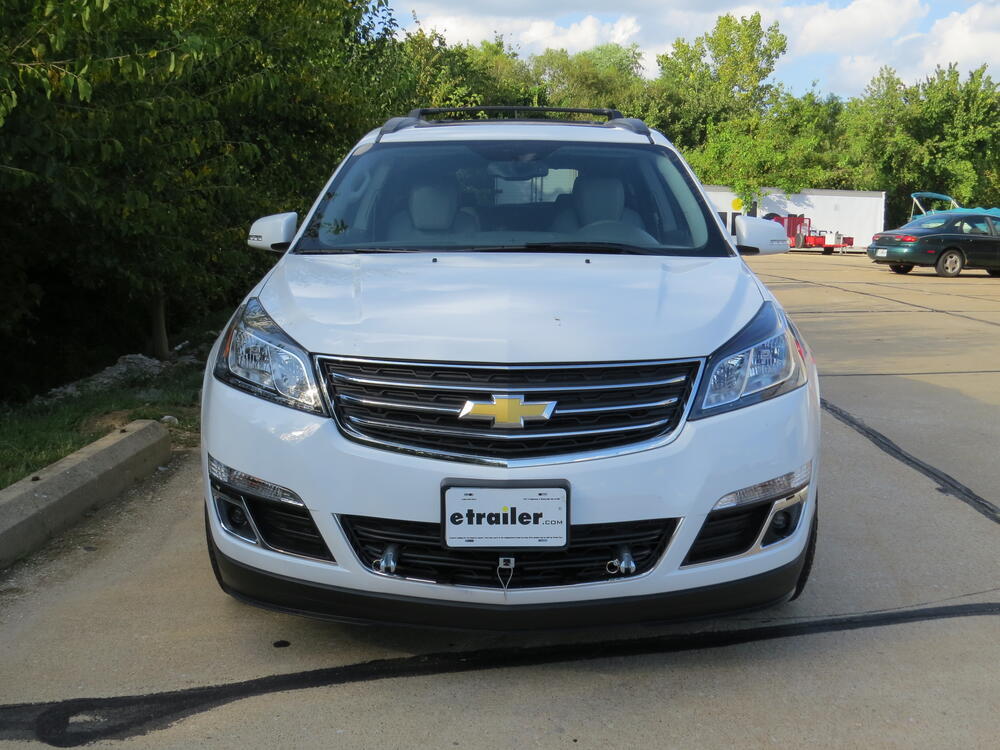
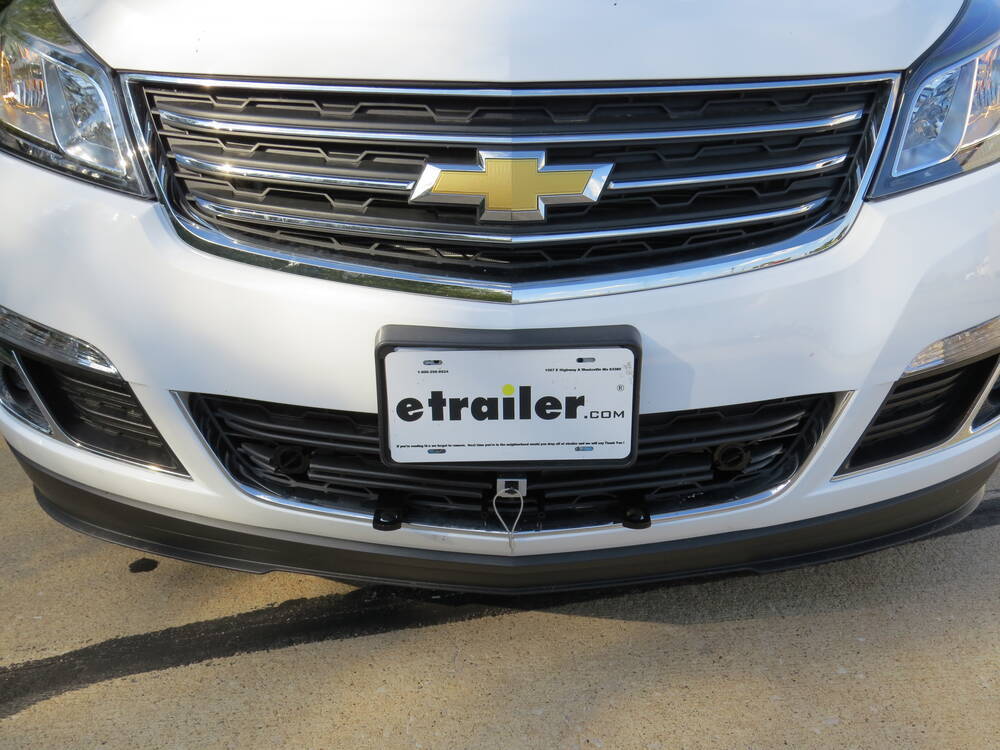
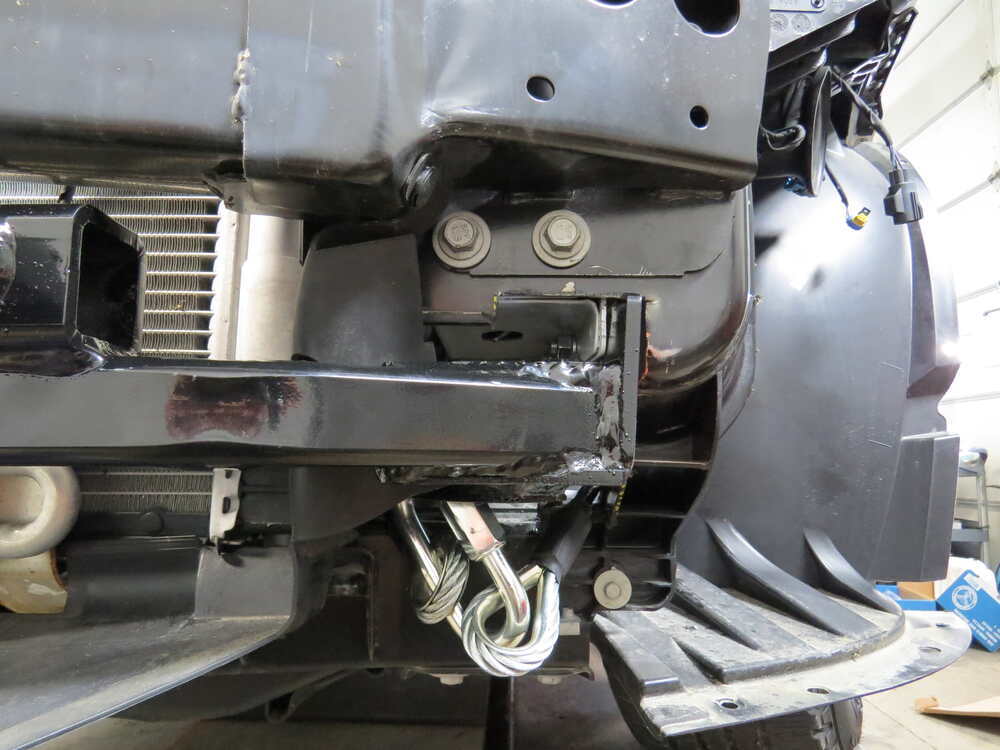
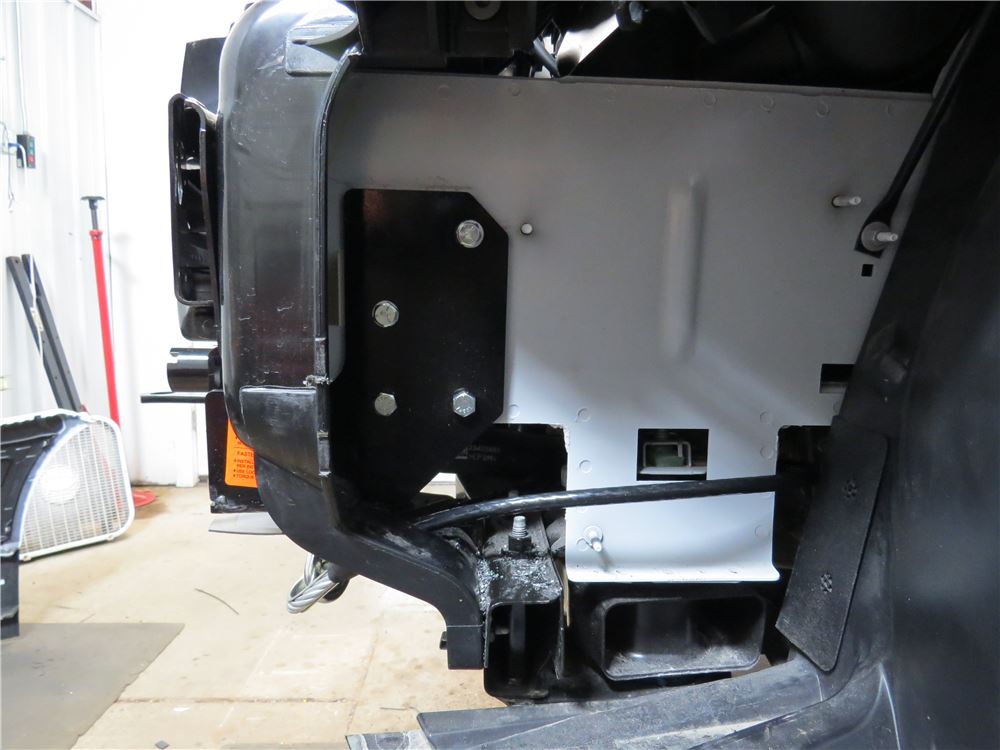
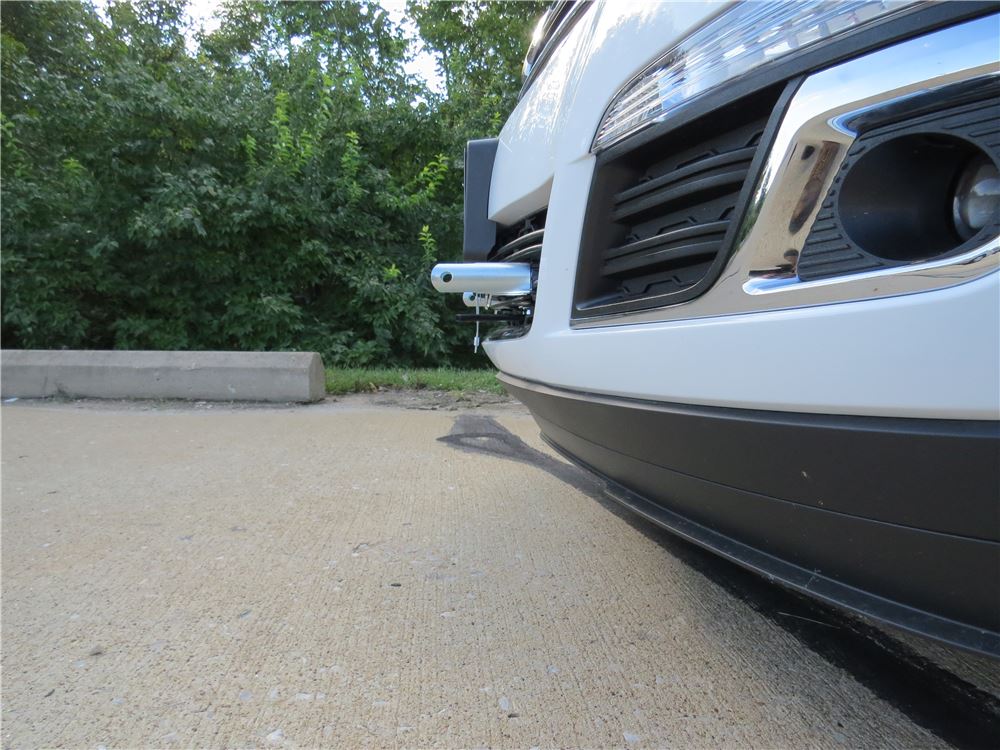
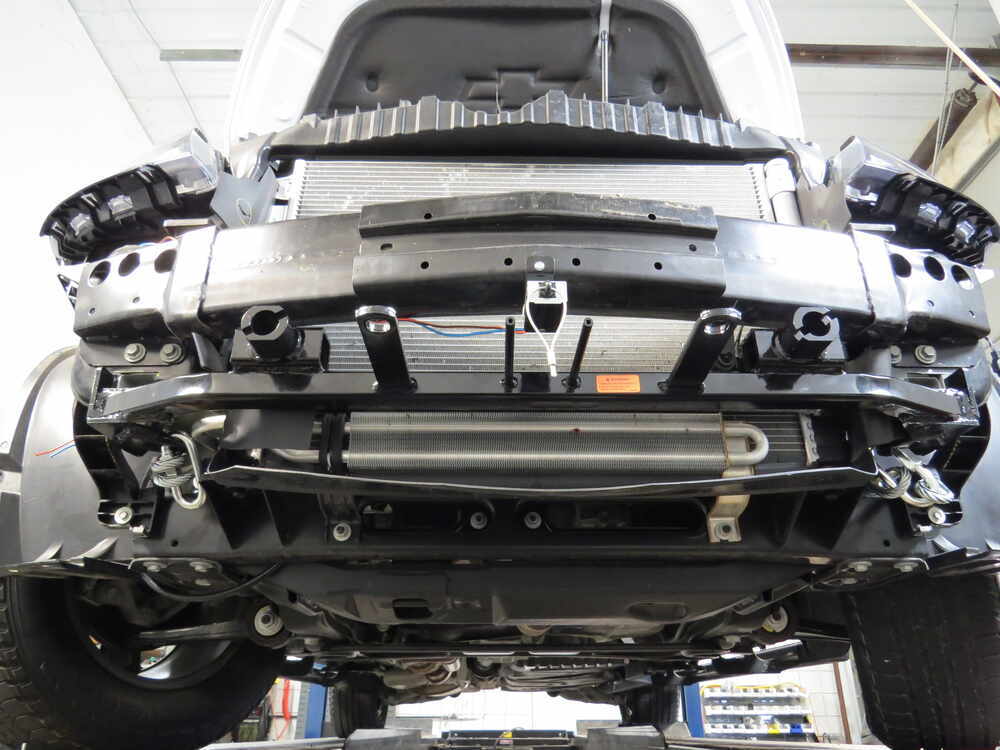
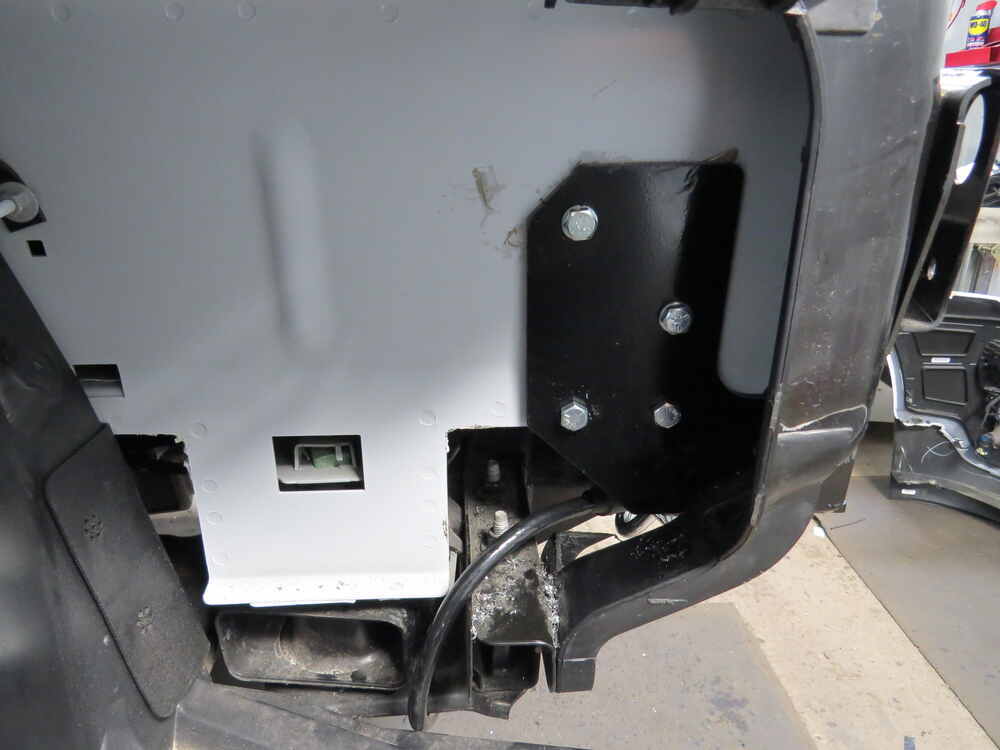

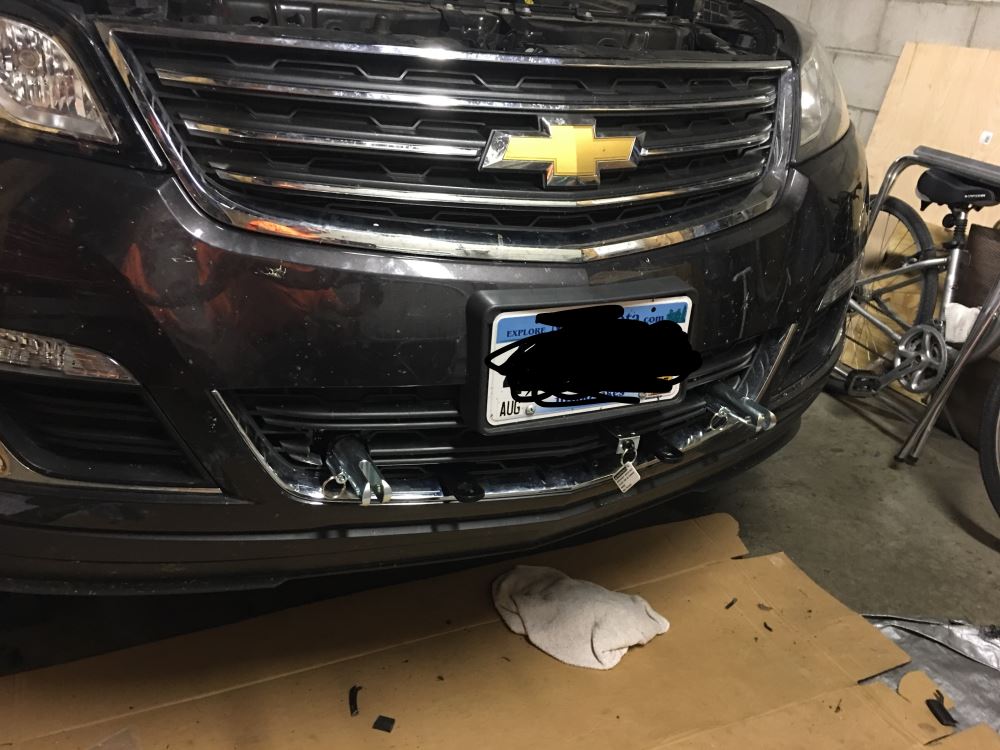
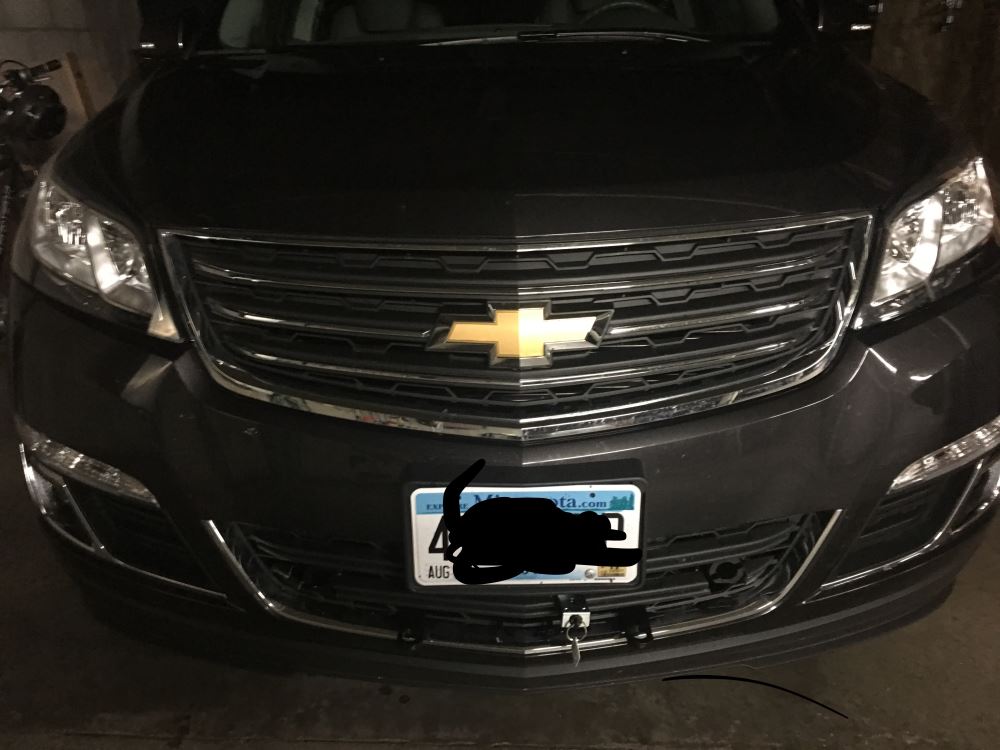
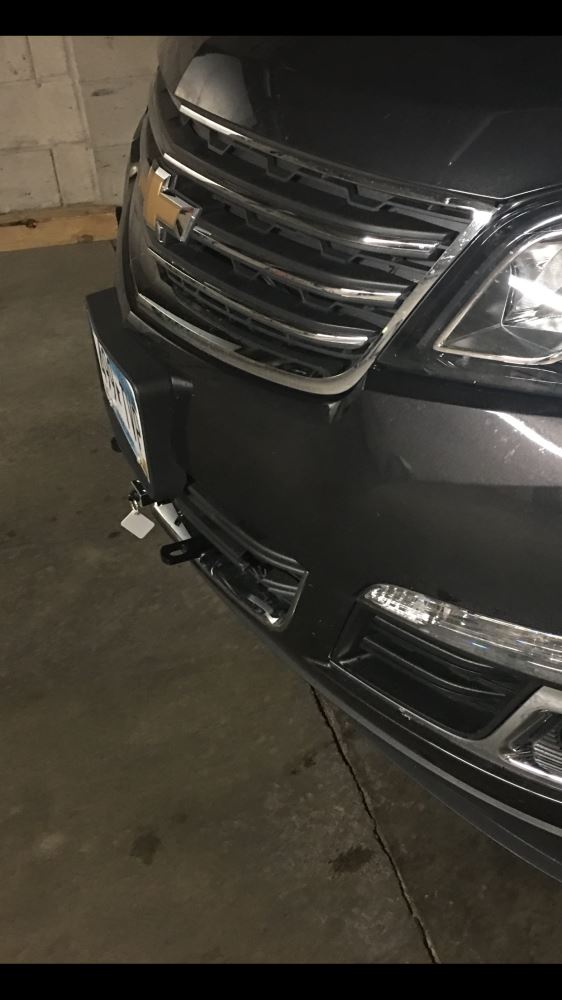

If you want your front end to look clean when you’re not towing, this setup makes it happen. The hidden design keeps bulky hardware out of sight, and the brackets don’t stick out past the front. When you’re done towing, just twist the removable arms off and plug the receivers with the included covers to block dirt and debris. The finished look is seamless and keeps you from bumping into anything sticking out.
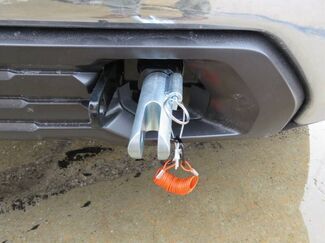

Connecting your tow bar doesn’t get much easier than this. Each arm slides into the receiver, twists to lock, and secures with a pull pin. When it’s time to unhook, pull the pin, rotate the arm, and slide it out—simple as that. The arm design makes alignment quick when you’re setting up solo or breaking down after a long drive.

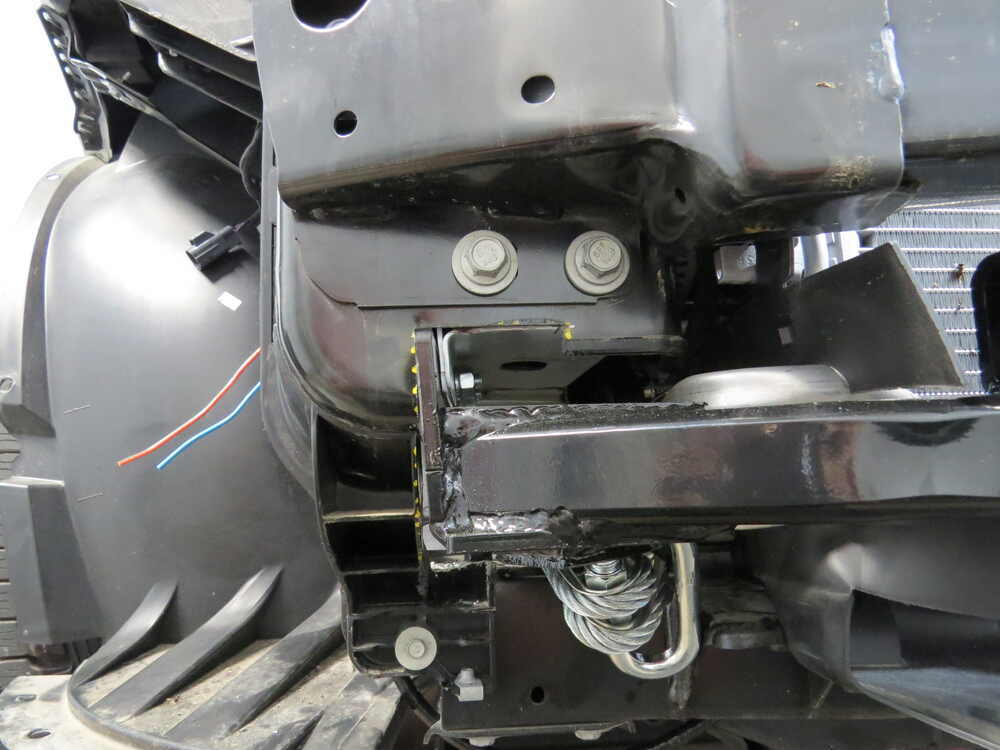
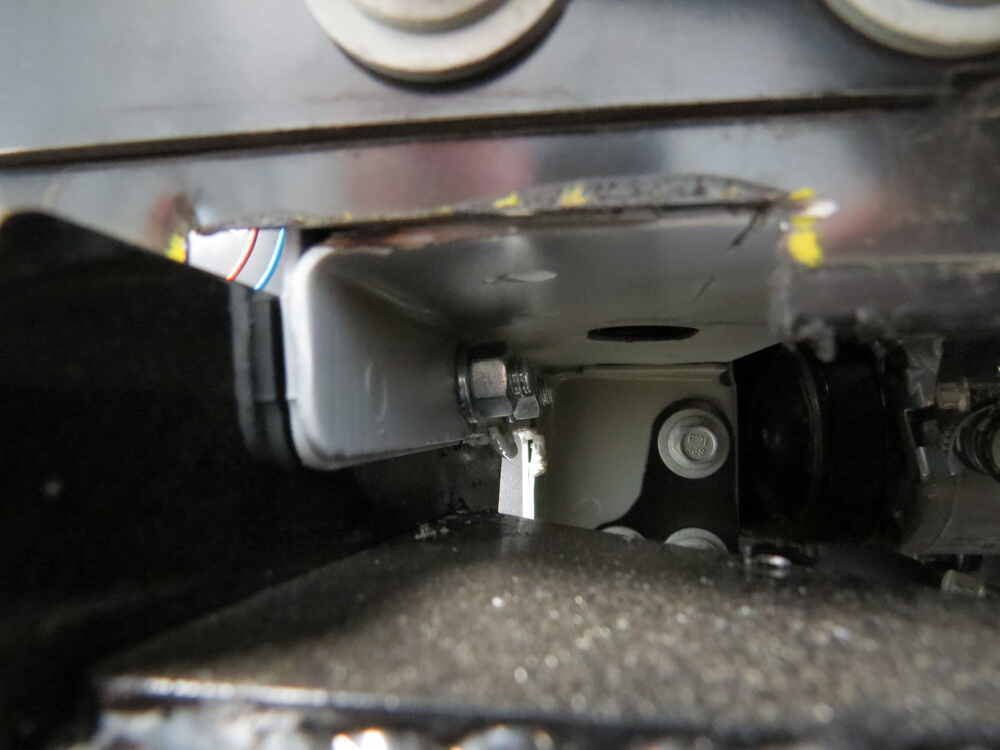
This base plate bolts securely to the chassis using the included mounting hardware—no welding required. The sturdy steel build spreads towing forces evenly across the frame to help reduce stress on suspension components during long hauls. The powder coating helps resist rust and corrosion so it stays strong mile after mile.
The lugs are built to pair directly with Blue Ox tow bars for a secure connection every time. If you’re running a Roadmaster or Demco setup, adapters (RM-031, RM-031-5, or DM9523041) are available separately to make it all work together. Integrated mounting points also let you attach an electrical connector plug bracket for neat wiring management up front.
With a distance between brackets of 24" and a bracket height of 18", this base plate gives you solid reference points for planning your tow bar level and alignment. It’s a straightforward design that installs cleanly and stays dependable through every trip.


Videos are provided as a guide only. Refer to manufacturer installation instructions and specs for complete information.
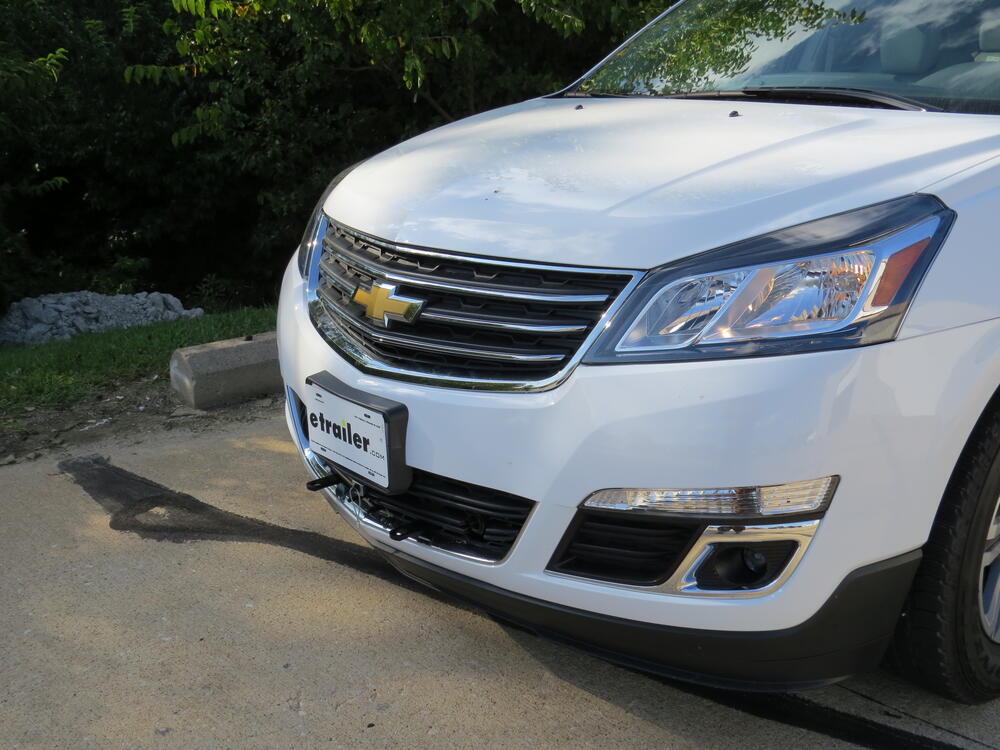
Today on our 2016 Chevrolet Traverse, we're going to be taking a look at and installing the Blue Ox Base Plate Kit with Removable Arms, part number BX1706. Here's what this base plate kit is going to look like once it's installed on the vehicle. The most noticeable things you'll see are going to be these convenience links out in front for the safety chains. This base plate kit's going to do a really good job of making sure that it's easy to hook your towed vehicle up to your motor home, so that way when you're ready to go, you just hook it up and you're ready to roll. You don't need to spend a bunch of time tightening bolts and getting everything set and square, but rather you hook it up and you go. This kit has the removable arms. In order to install these, you push them in, twist until they lock in place.
That way, you can hook up your tow bar right here to the arm. Then, whenever you're done and ready to remove them for regular everyday driving, simply pull that pin, rotate the arm, and slide it back out and store it away until you're ready to use it again. Now, with this kit it does come with these little plugs to help keep dirt out of your mounting tabs. That way, it's always going to be easy to slide that arm in and out when you need to use it. Let's show you how to install this base plate. First thing we'll need to do to begin the installation of our base plate is we'll need to remove this top plastic cover underneath the hood.
There's going to be 10 push pin fasteners that we'll need to remove in order to do that. You can take a flat head screwdriver and get under the center of it and pop it up, then you can pull it right out of there. Now, before we take this plastic off we'll need to remove the small little push pin clip that's on our weather stripping here. You can just pry up on that in order to pop it out of there. It's the same on both sides of this. Then we can remove our plastic cover and set it off to the side.
Now we'll unscrew the top of our fascia. There's 7 of these T20 Torx screws along the top edge here. We'll remove those. Got 3 here on the passenger side, and then 4 over on the driver side. Then, on both sides near the headlight there will be a 7 millimeter screw that we'll need to remove.
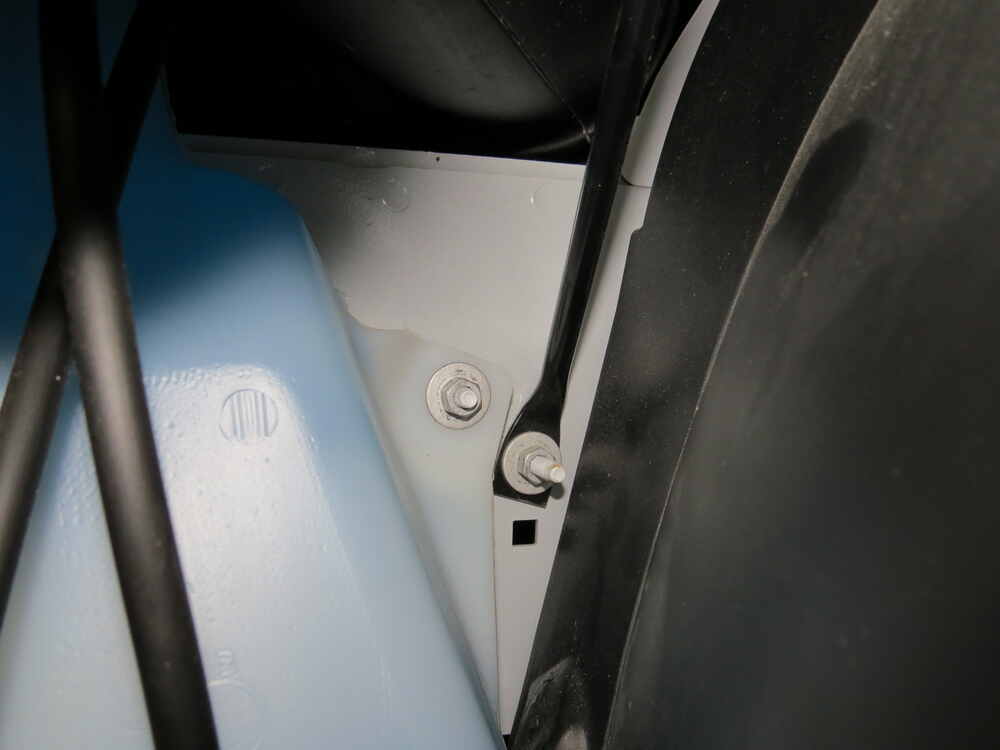
Now we'll need to take out the 3 screws that are inside our wheel well here. We'll start with a 7 millimeter socket up at the top edge of the fascia where it meets the fender, and then the other 2 will be T20 just like the ones that we're underneath the hood. We'll do that same thing on the other side. Now, underneath on both sides we're going to have 2 T20 Torx screws and then a 10 millimeter bolt that we're going to have to take out. Now we can begin to take the fascia off. In order to do that, you want to grip up on the inside of the fender here and begin to pull outwards to begin to unclip it, and it should just begin to pop out as you work your way around towards the front. Then, with an extra set of hands, you can begin to work it off and get it unclipped from the front of the vehicle. Then, on both sides if you've got fog lights you'll have this connector that you'll need to remove. You push down on the tab, then you can pull that connector right out. Then you can take the fascia and gently set it aside. Next thing we'll need to do is remove our washer fluid tank here. In order to do that, we're going to need to disconnect the lines up higher so that it doesn't spill out everywhere as soon as we begin to take that out. Here are the 2 lines that come off of it, one for the front, one for the rear. I'm just going to take this little clip off here, then right there you can use a flat head screwdriver to get it in there. You can pop those apart so that way you can have a little bit more room to work with these lines separately. What I'm going to do is I'm just going to put a small zip tie on one of them so I can identify which one's going to be going to the rear of the vehicle. It's going to be this one right here. Then, at this little connection here on the 2 little ends where it comes out, squeeze on all the little tabs there and that should pop right apart. Then for the other one, got little clips there which if you pry those 2 little tabs out you'll be able to pull that one right apart as well. Now, down here at the reservoir we'll need to take off the connectors to each of our pumps, and then also the connector for our sensor. Get those disconnected. Just tuck them up out of the way. Then, using a 10 millimeter socket, there's going to be 3 nuts that are holding this on. With those off, we can carefully remove our washer tank. Wherever you set it when you put it aside, you want to be sure to keep it upright so that it doesn't spill out. Now we'll need to take our horn off. You need a 10 millimeter socket for that. To give myself plenty of room to work, I'm also going to take the connector off so I can set the horn aside. Make sure that connector's tucked up out of the way. Then I'll do the same thing for the horn on the other side. Now we'll need to remove our temp sensor that's mounted to the lower side of the front bumper. It's got a push pin fastener that holds that bracket up. We'll remove that. The temp sensor will come right out. Then we'll take that and move it up out of the way while we put our base plate in. Now, on the bracket here, I've gone ahead and marked out the area to be trimmed on each side. I'll be cutting out this section here, and what that's going to allow me to do is to get flush along the bottom edge of that inside frame rail there. Then that's going to allow me to get flush with the outside of the frame rail so that I can get the base plate to slide up into place. I'm going to use a reciprocating saw in order to begin cutting that out. If you don't have a reciprocating saw, you can also use a grinder with a cutting wheel or anything that might cut through this in order to help keep some clean lines. Now, with our access trimmed out in order to get up to the sides of the frame rail, we can take our base plate and begin to slide it up into place. It's not a bad idea to take some jack stands in order to help support it. That way, it'll make it easier to make adjustments and that'll hold it in place once you get it in the correct location. With the base plate put on and positioned where it needs to be according to the instructions, I'll begin drilling out the pilot holes for these 2 bottom ones. I'll step up drill bit sizes until I've reached the size indicated in the instructions to be able to fit the bolts through. From this point on, anything that we do to one side for the installation of the base plate, we'll be doing that same thing to the other side. With the 2 bottom holes drilled out, we'll be installing these 3/8 inch, 1 inch long bolts. They're a little bit shorter ones that come in the kit. When we install them, we'll be putting this red Loctite on them. We'll be doing that for all of the bolts that we'll be using to secure our base plate. If you need to get some of this red Loctite, you can get that on our site, part number LT37420. We can put our bolt through. Then, on the inside we'll put the split lock washer followed by a 3/8 nut. With the lower bolts installed on both sides, we can begin to tighten them up. It'll be a 9/16 wrench and socket in order to do that. Now we can drill out our other holes in order to begin installing the bolts. Now, we'll be putting these handle nuts up to the inside of the frame for our other bolt holes, and we'll be using that access hole right there in order to feed them up into place. You'll need to bend the handle on these in order to get them to line up properly with the holes that you drilled in the side of the frame. Then, when you get them lined up, the bolts that you'll be feeding into them will be the longer 1 1/2 inch 3/8 bolts. You'll want to be sure to put a lock washer on there along with that Loctite on the end of it. Once you've got the nut lined up on the inside of the frame, take your bolt and begin to thread it in. With it threaded in, take a 9/16 socket and just tighten it down. Then the excess for the handle down here, you can either cut off using a grinder or a cutting bit on a dremel tool, or you can just bend it up out of the way. Then we'll repeat that same process for the other bolt and handle nut on this side. Then we'll go to the other side and do those too the same way. With all of our hardware tightened down, we want to be sure to go back and double check the torque and make sure it's torqued to the specification listed in the instructions. Now we can take our temp sensor and reinstall it. You can either put it back into its factory location or you can relocate it somewhere in the plastic that's nearby, but I can squeeze it back in here so I'm just going to reinstall it in its factory location. Now we'll take our safety cables that come in the kit and we'll route them around the section in the frame. It shows you a good way to do that in the instructions. Then we'll bring them back to this connection point and connect them there using the quick link that they provide. At this point now, if you've got a breakaway switch that you'll need to mount up for a supplemental braking system, now is going to be a good time to do that. They do give you this bracket and a self-tapping screw in order to put it wherever you'd like here along the front of the bumper to make it easily accessible. I'm just going to put it right here using this self-tapping screw. I'm just going to center it right above where the wiring will come out. I took the bracket here that's mounted to the breakaway switch and I bent it so that it would match up to this so that it'll come straight out. Get my nylon lock nut started there. I'll use a 7/16 socket and wrench in order to tighten up my breakaway switch. Now on those 3 studs that attach our windshield washer fluid tank to the outside of our frame rail there, now in order to space it out properly we'll put 6 flat washers that come with the kit and slide them onto each stud. Now we can grab our reservoir tank and begin to put it up into place. Now we can reinstall the horns. Now we can test fit our fascia in order to see where we'll need to cut and trim. Now, after test fitting it on there, I've marked an area that I know I'm going to need to trim out, and then I can test fit it again and make any more adjustments or trim anything else needed in order to make it fit. Once we've got the fascia far enough on the vehicle that it'll stay, you can see where you'll need to trim out in order to get your tabs to come through. I marked it, and I'll begin to trim that section out. I'll do the same thing for the other side. Now we can reinstall our fascia. When you reinstall your fascia, don't forget to plug those electrical connections back in. We can reinstall our 3 screws into each fender. Underneath, we'll reinstall our 4 screws and 2 bolts in order to secure our paneling back in underneath here. Reinstall all the screws along the top of the fascia underneath the hood. That's going to complete our look at and installation of the Blue Ox Base Plate Kit with Removable Arms, part number BX1706, on our 2016 Chevrolet Traverse.
Customer Satisfaction Score:
91% were satisfied with this product
9% of customers were not satisfied
Ratings & Reviews

Well designed and solidly built base plate. Very good product support from Etrailer and Blue Ox.
The four 1/2 inch by 1 3/4 inch bolts are category 5 bolts. I had a bag full of identically sized bolts which were category 8. But I did not have any whizz nuts that were category 8 nuts so I stayed with the standard Blue Ox Hardware. We used POR 15 rust preventing paint at every location where we cut the steel or drilled holes. The distance from the center of the attachment tab assembly holes to the ground is 20 inches on our 2025 Wrangler Rubicon JLU with "Xtreme" 35 inch tire package. Easy five stars for Blue Ox and etrailer.
The 2025 Trax license plate frame sits lower than shown in the instructions provided with this kit, to the point where it obstructs access to the 7-way electrical connector. An alternate scheme for mounting the plate will be required if your state requires the front plate to be displayed.
The Blue Ox base plate kit was installed without a hitch on our 2024 Maverick Hybrid. It was a perfect fit! It was installed by Fantasy Truck, a referred installer of etrailer, in Odessa, MO. Brett was very easy to work with and did an excellent job! I highly recommend the Blue Ox baseplate and Brett @ Fantasy Truck!
Fits my 2013 mini cooper non turbo. Does take a few hours to install this Fit was good. The hardest part is removing the front bumper and reinstalling it. You do have to cut the lower bumper grill in three places take your time locating the exact spots for cuts. I have pulled Mini Cooper about seven thousand miles now with this Blue Ox and has worked great
The safety Cable installation left a little to be desired. I'm not sure if I installed it as designed. The cables we're really long enough to go aroiund the frame rails on our Jeep, under the Radiator mount, Aluminum Frame, I was only able to go around the Raditor mount on both sides. Didn't really seam like it was the right way, but I suspect it's only for if something comes loose that there isn't a catastrophic breakaway.
I was given a Blue Ox Tow Bar and needed Base Plates for my Ford F150. In my online search, E-Trailer had the best price, so I ordered them. Delivery was a few days earlier than expected. I read the installation instructions and it sounded fairly simple to install, so I decided to tackle it myself. I began it about six pm and had the job completed and cleaned up in just over two hours. The job required removal of the bumper and tow hooks and drilling of two holes. Also William at E-trailer was of great help in the correct parts and keeping me informed of the delivery.
After installing over 500 baseplates on various vehicles, this one was probably the toughest one . It had the off road package on it . But it fit great after I had to remove a lot that had been bolted up for 27yrs.
Tried to install this baseplate. It was a challenge to say the least. It did not fit the frame of my Jeep YJ without making modifications to the mounting plates on the driver side. I had to use a cut off wheel and remove 3/16 of an inch from the driver side spacer (which is too long. See pictures) in order to get it to clear the frame. Also, instructions say to drill an additional 1/2 inch hole in the frame for a third mounting bolt. BUT....the internal frame construction doesn't allow the nut on a stick to pass under the existing reinforcements for the bolts that mount the steering gear to the frame. Nut is way too thick to pass under the internal tubing in the frame from manufacturer (AMC).
This was instilled on a 2024 Chevrolet Colorado Z71 truck. I watched your video online with this exact model truck and the words I remember most was “and we did not have to do any trimming”. Well my truck was certainly different than what was on video. Guess it’s because it’s a late build 2024 (end of September 2024) and the grill system was maybe what would appear on the 2025 models? There was lots of trimming involved. I also will tell you the mounting holes both for the frame and the bumper back plate did not line up and required some modifications to fit. I would like to say this job is not for the faint of heart. I luckily have a mechanical/machinist background so was able to get the job done. Have not tested it yet but will be soon. Good luck to those of you who are planning on installing it yourself. Just remember it can be done. Just take your time.
Items arrived in 2 days, free shipping. All appeared in new undamaged condition.
The Blue Ox base plate for my 2015 Kia Soul is well manufactured and, with a little bit of mechanical skill, easy to install. It fit perfectly without issues. Brad from etrailer provides a step-by-step installation video that is outstanding and nicely guides through the process from beginning to end. I highly recommend this Blue Ox base plate from etrailer.
Well the blue ox base plate actually fits my turbo engine. The Curt didn't fit as advertised.
Super high quality baseplate for towing by Blue Ox. Instructions, videos, shipping (one day!) and overall experience was awesome. A bit pricey but their quality and the additional support by E Trailer cannot be beat! BTW (E Trailer) the baseplate fits three different Jeep configurations but did not call out the Recon package. After looking at other brands which showed there's to fit the 3 variations AND the Recon, I figured it would fit and it DID. You should definitely upgrade to include the Recon Edition.
lways great to shop at etrailer, especially the tech experts. Royce did an awesome job with our order. Everything fit perfectly and the help video provided the guidance I needed.
We installed the baseplate on our 2023 Encore GX AWD as well as the light harness and breakaway switch. A couple of items were incorrect but Royce corrected the issues with no problems.
Thanks again etrailer!
2019 Ford Ranger baseplate worked and fitted fine for me. 73 yrs old took me a couple hours but took many breaks. Younger could do it less than hour I'm sure.
Also works fine with my Blue Ox tow bar.
Works as expected.
Great service
video was very helpful for installation going to try it out next week
Just completed installation of Patriot Brake and Blue Ox tow bar to 2017 Chevrolet Traverse. All works like advertised. Patriot Brake setup is easy with remote. Found I had to change force from default of 6 to max of 9 to feel adequate braking from Patriot on Chevrolet Traverse.
Installed base plate , the video was very helpfull and the job took me eight hours . I took my time . Seems good ,will test run soon.
Do you have a question about this Tow Bar Base Plate?
Info for this part was:
At etrailer we provide the best information available about the products we sell. We take the quality of our information seriously so that you can get the right part the first time. Let us know if anything is missing or if you have any questions.





















Diana
7/22/2022
It’s been fantastic