


How to Charge Truck Bed Camper Battery from Vehicle
Published 06/17/2019
Products Featured in This Question


Question:
Thank you for your thorough explanation. I just took the camper in yesterday to the dealer and they did electrical checks on the system and said everything was “up to spec.” They measured 13.4 V coming from the truck at the battery (although I thought I read somewhere that 14.4 was necessary to charge.) One of the things they brought up was that this new lance camper has a lot more gizmos drawing current even when everything is off such as 2 carbon monoxide monitors, smoke alarm, radio, tv, etc. So the bottom line is that you believe the truck’s alternator is capable of keeping the camper battery charged if it’s got sufficient current carrying capacity in the connecting wire. Correct? The reason I ask is I don’t want to spend all the money and take all the time and energy to do the wire upgrade only to find out that there’s just not enough output from the alternator to keep the camper battery charged.
asked by: Clarence
Expert Reply:
You are on the right track to answering your question of "why isn't the battery," being charged as the reason is that the charge circuit of your vehicle just can't carry enough amperage/voltage to keep the battery charged. The reason this is the case for your new setup is most likely because your new camper has a larger battery and/or has appliances that just draw more which uses more of the battery and the current circuit just can't keep up. So the wiring of the 12 volt charge circuit of your vehicle is going to be to thin and ran for too long of a distance to provide an adequate charge.
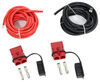
So the solution is to run a new charge circuit from your vehicle batter/alternator that can deliver enough amperage/voltage to keep the camper battery charged. To do this the new wiring will have to be MUCH heavier than what you currently have. So I recommend 3 gauge winch wiring witch quick disconnects. For that you'd want the part # BDW20025 for a 7-1/2 foot section that will wire to camper battery and then for the section that installs vehicle you'd want the 16 foot long section part # BDW20043. The quick disconnects allow you to easily disconnect the wiring if/when you remove the camper from your truck bed.
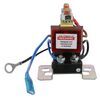
Now if you wanted a way to prevent the camper battery from accidentally draining the vehicle battery when it's not running you'd need to install an isolator. For that you'd need the part # 331-SBI12 and you'd be set.


Product Page this Question was Asked From
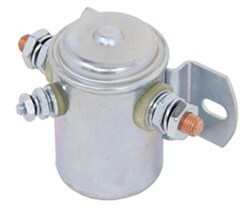
Starter Solenoid - SPST - 12 Volt - 100 Amp - Continuous Duty - Grounded

- Accessories and Parts
- Battery
- Switches and Solenoids
- 100 Amp
- Pollak
more information >

Continue Researching
- Search Results: trailer wiring terminal box
- Search Results: static/images/styles/checksvg
- Shop: Trailer Wiring
- Shop: etrailer Trailer Wiring Junction Box - 7 Terminal
- Shop: Trailer Wiring Junction Box - 7 Terminals - Polypropylene
- Shop: Pollak 5th Wheel and Gooseneck Trailer Connector Wiring Harness w/ T-Connector
- Shop: Trailer Wiring Junction Box - 7 Color Coded Terminals - ABS
- Q&A: Backup Lights Light Up When 2012 Ram 2500 is Off After Installing Pollak 5th Wheel Connector
- Article: Wiring Trailer Lights with a 7-Way Plug (It's Easier Than You Think)
- Shop: Camper Tie-Downs
- Video: Curt T-Connector Vehicle Wiring Harness Review C56040
- Search Results: trailer hitch
- Q&A: What is the Difference Between a Class II and a Class III Hitch?
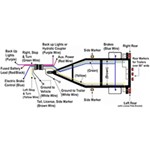
- Article: Trailer Wiring Diagrams
- Shop: Trailer Hitch
- Search Results: trailer wiring
- Q&A: Lug Nut Torque Chart for Trailer Wheels
- Shop: Universal Installation Kit for Trailer Brake Controller - 7-Way RV and 4-Way Flat - 10 Gauge Wires
- Article: Brake Controller 7- and 4-Way Installation Kit (ETBC7)
- Video: Firestone Ride-Rite Air Bags with Easy Mount Compressor Feature Breakdown
- Search Results: trailer tires and wheels
- Q&A: What is the Difference Between a 4-Way and 7-Way Trailer Connector
- Article: How to Measure for Trailer Hitch Drop
- Shop: Suspension Enhancement
- Shop: Curt T-Connector Vehicle Wiring Harness with 4-Pole Flat Trailer Connector
- Video: How to Choose a Trailer Brake Controller
- Shop: Brake Controller
- Q&A: Installation Time for Blue Ox BX1128 Flat Tow Base Plate Kit for 2016 Jeep Grand Cherokee
- Search Results: trailer jack
- Shop: etrailer Trailer Hitch Receiver - Custom Fit - Matte Black Finish - Class III - 2"

on Accessories and Parts









Clarence
6/17/2019
Thank you for your thorough explanation. I just took the camper in yesterday to the dealer and they did electrical checks on the system and said everything was “up to spec.” They measured 13.4 V coming from the truck at the battery (although I thought I read somewhere that 14.4 was necessary to charge.) One of the things they brought up was that this new lance camper has a lot more gizmos drawing current even when everything is off such as 2 carbon monoxide monitors, smoke alarm, radio, tv, etc. So the bottom line is that you believe the truck’s alternator is capable of keeping the camper battery charged if it’s got sufficient current carrying capacity in the connecting wire. Correct? The reason I ask is I don’t want to spend all the money and take all the time and energy to do the wire upgrade only to find out that there’s just not enough output from the alternator to keep the camper battery charged.